

07/11/2026

Share:
07/11/2026
Share:
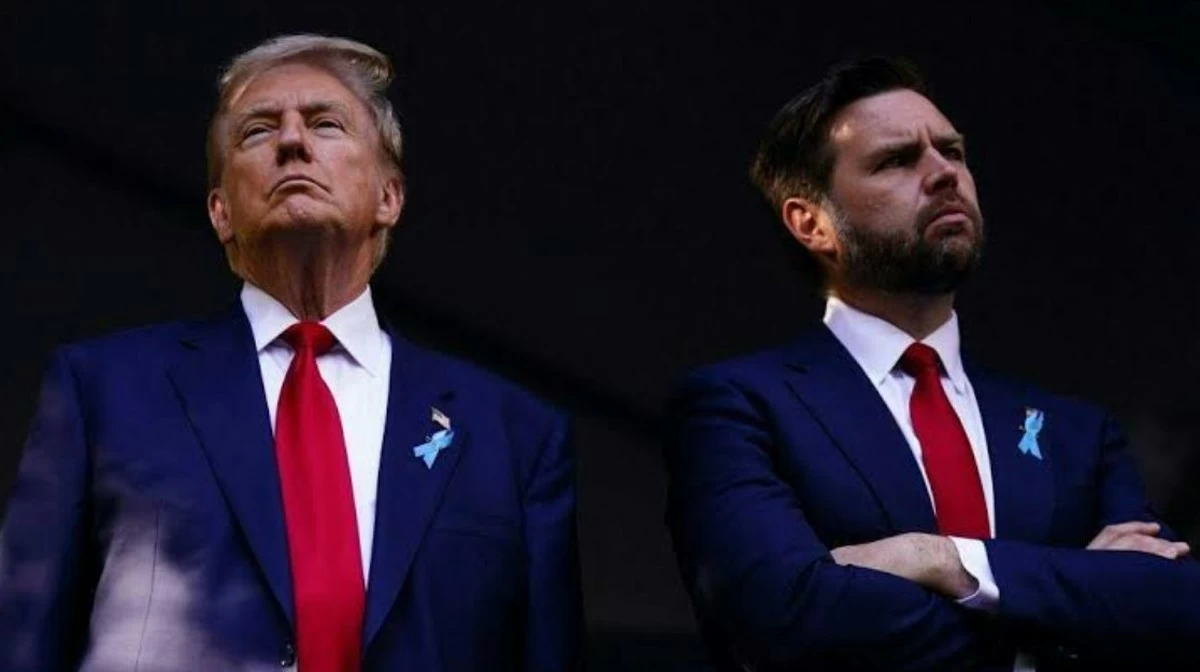

WASHINGTON, Nov 7: US President Donald Trump has claimed that the United States could become an “occupier” in Iran, while asserting that Washington controls the strategically vital Strait of Hormuz, as Vice President JD Vance leads behind-the-scenes diplomatic efforts to secure a new ceasefire and revive nuclear negotiations with Tehran.
The contrasting developments point to a dual-track US approach, combining continued military pressure with efforts to find a diplomatic solution to the conflict, which has entered its ninth month.
Trump Claims Control of Strait of Hormuz
Speaking to reporters after delivering remarks at a NASA facility in Florida on Friday, Trump suggested that the US role in Iran could amount to occupation.
“All we are is maybe an occupier. We could be an occupier,” Trump said.
He contrasted the Iran conflict with the Russia-Ukraine war, claiming that 25,000 people were killed in October in the fighting between Moscow and Kyiv.
“That's called a war,” he said, arguing that the conflict involving Iran could not be described in the same terms because, according to him, nobody had been wounded for several months.
Trump again asserted that the United States controls the Strait of Hormuz, a critical passage for international oil and gas shipments.
“We control the Hormuz Strait,” he said, adding that the US was extracting more oil from the waterway than at any time in its history.
Asked about reported US strikes near Iran's Qeshm Island on Friday, Trump initially declined to discuss the operation but acknowledged that American forces were conducting limited military actions.
“I don't want to talk about it. We do minor strikes,” he said.
Trump added that Iranian forces had constructed an anti-aircraft installation that US forces destroyed within minutes.
Iran has rejected Washington's claims of controlling the Strait of Hormuz, insisting that Tehran retains strategic control of the waterway and will not reopen it until its conditions are met.
Vance Leads Diplomatic Push for New US-Iran Deal
Meanwhile, Vice President JD Vance has personally become involved in indirect negotiations with Iran over the past two weeks, seeking a new ceasefire and the resumption of nuclear talks, according to an Axios report citing two sources familiar with the discussions.
Vance has reportedly been speaking almost daily with Qatar's Prime Minister Sheikh Mohammed bin Abdulrahman Al-Thani, Pakistan's Chief of Army Staff Field Marshal Asim Munir and other mediators.
White House envoy Steve Witkoff and presidential adviser Jared Kushner are also participating in the diplomatic effort.
According to the report, Vance and the mediators have discussed holding a working-level technical meeting between American and Iranian representatives in the coming days. However, no such meeting had taken place as of Friday.
Axios also reported that Vance sent a letter to Mohsen Rezaei, the secretary of Iran's Supreme National Security Council, about two weeks ago, proposing a return to direct negotiations.
Iranian officials reportedly viewed the letter as creating positive momentum for diplomatic engagement.
Trump Speaks With Qatar's Emir
The diplomatic efforts gathered further momentum on Friday when Trump spoke with Qatar's Emir Sheikh Tamim bin Hamad Al Thani.
According to a statement from the Emir's office, Sheikh Tamim emphasized the importance of continuing dialogue and avoiding further escalation in the region.
Qatar and Pakistan have emerged as key intermediaries in efforts to bring Washington and Tehran back to the negotiating table.
Vance has also reportedly acknowledged that the Iran conflict was a major factor behind the Republican Party's poor performance in this week's US midterm elections.
Ceasefire Yet to Produce Final Peace Agreement
The US and Israel launched their military offensive against Iran on Feb. 28. A ceasefire was reached in April, followed by a memorandum in June intended to pave the way for a comprehensive peace agreement.
However, negotiations have failed to produce a final settlement, while disagreements over Iran's nuclear program, military operations and control of the Strait of Hormuz continue to complicate diplomatic efforts.
With Trump maintaining military pressure and Vance pursuing negotiations through Qatar and Pakistan, Washington appears to be keeping both military and diplomatic options open as it seeks an outcome to the prolonged conflict.