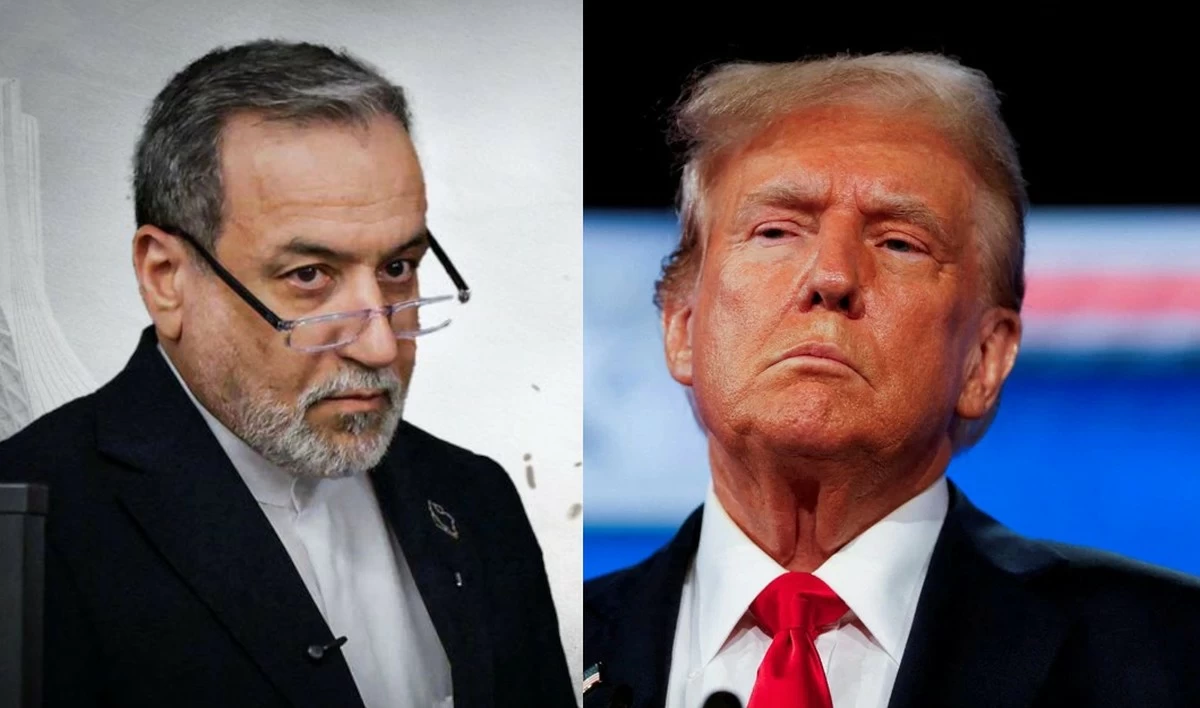
WASHINGTON/TEHRAN, Jun 5: US President Donald Trump has said he would be open to meeting Iran’s Supreme Leader Mojtaba Khamenei if it helps secure a nuclear or political agreement with Tehran, while Iran’s Foreign Minister pushed back on the idea, calling it unrealistic.
Speaking to reporters at the White House on Thursday, Trump said he would not seek a meeting personally but would be willing to engage if it advanced negotiations with Iran.
“I don’t want to meet, but if I did meet, I’d be honored to meet him,” Trump said. He added that he would be “respectful” in such a scenario, while noting he is “not his favorite person.”
Trump also suggested that discussions about a potential meeting had been raised by others, though he did not specify who, and said he would be open to the idea if it contributed to a possible deal between Washington and Tehran.
Meanwhile, President Donald Trump said he had considered deploying US special operations forces to retrieve Iran’s highly enriched uranium stockpile, but ultimately rejected the idea, saying the mission would have required troops to operate inside a war zone for weeks and risk turning into what he called a “Jimmy Carter moment.” Speaking to reporters at the White House, Trump said the option was discussed early on but dismissed due to the logistical complexity, including the need for heavy equipment, extended deployment, and operating in hostile conditions. He compared the situation to a quick in-and-out operation like Venezuela, saying the Iran scenario would be far more prolonged and dangerous, with troops potentially exposed for weeks before extraction of the material could be completed.
Iran Rejects Trump’s Proposal
Iranian Foreign Minister Abbas Araghchi dismissed Trump’s comments, saying they should be assessed “realistically” and within the context of political realities.
Araghchi said that security considerations limit public appearances of senior leadership figures and stressed that communication with the leadership remains continuous through established channels.
He added that Supreme Leader Mojtaba Khamenei plays a central role in guiding state affairs, stating that he has “full control of affairs” and that directives are followed closely across institutions.
Araghchi further emphasized that Iran’s internal leadership structure remains stable and that decision-making authority continues to function as it did under previous leadership, with loyalty and institutional continuity intact.
The exchange comes amid ongoing tensions and indirect engagement between Washington and Tehran over nuclear and regional issues, with both sides signalling cautious openness to dialogue while maintaining sharply opposing political positions.
No formal meeting between US and Iranian leadership has been confirmed or scheduled.