


19/05/2026

Share:
19/05/2026
Share:

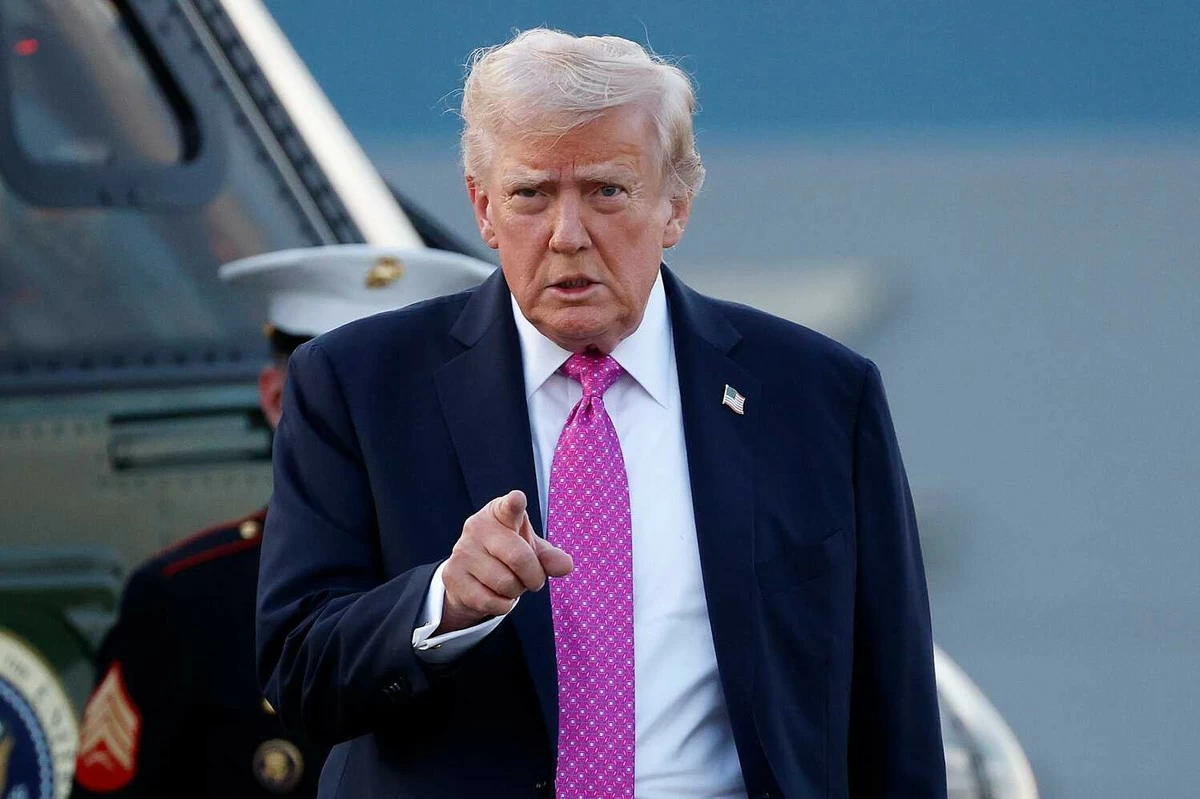
WASHINGTON, May 19: U.S. President Donald Trump said on Monday that he has delayed a planned military strike against Iran after what he described as urgent appeals from Gulf leaders, signaling a possible diplomatic opening amid weeks of escalating tensions in the region.
In a lengthy post on Truth Social, Trump said the leaders of Qatar, Saudi Arabia and the United Arab Emirates had requested that Washington hold off on launching an attack originally planned for Tuesday, as “serious negotiations are now taking place.”
Trump said he had been told a deal acceptable to the United States was within reach, stressing that any agreement must ensure there are “no nuclear weapons for Iran.” At the same time, he warned that the U.S. military remained prepared to launch a “full, large-scale assault” on short notice should talks collapse.
Iran has not publicly responded to Trump’s latest remarks.
The comments come against the backdrop of one of the most volatile periods in U.S.-Iran tensions in recent years. On February 28, Israeli and U.S. forces launched extensive airstrikes targeting Iranian sites, prompting Tehran to retaliate with drones and missiles aimed at Israel and American assets across the Gulf.
Although a ceasefire reached in April was intended to create space for negotiations, sporadic exchanges of fire have continued.
Iran has also maintained restrictions over the Strait of Hormuz, the strategic maritime passage through which roughly one-fifth of the world’s oil and liquefied natural gas supplies transit. Tehran has framed the move as retaliation for U.S. and Israeli military actions, while global energy markets have reacted with sharp increases in oil prices.
Washington, meanwhile, has intensified pressure on Tehran through a naval blockade targeting Iranian ports, seeking to force concessions in ongoing negotiations.
Earlier Monday, Iranian officials said Tehran had responded to the latest U.S. proposal and confirmed that indirect communications with Washington were continuing through Pakistani mediators. Iranian media, however, suggested the American proposal offered few meaningful concessions.
Trump has repeatedly escalated his rhetoric in recent days. On Sunday, he warned that “the clock is ticking” for Iran and cautioned Tehran to “get moving, fast.” Days earlier, he described the fragile truce as being on “massive life support” after rejecting Iranian demands as “totally unacceptable.”
Iranian Foreign Ministry spokesperson Esmail Baghaei defended Tehran’s conditions as “responsible” and “generous.”
According to Iran’s semi-official Tasnim news agency, Tehran’s demands include an immediate end to military operations across the region, including Israeli strikes against Iran-backed Hezbollah in Lebanon, an end to the U.S. naval blockade, guarantees against future attacks, compensation for war-related damages, and recognition of Iranian sovereignty over the Strait of Hormuz.
Iran’s semi-official Fars news agency reported that Washington, in turn, has presented five conditions, including limiting Iran to a single operational nuclear facility and transferring its stockpile of highly enriched uranium to the United States.
Trump also appeared to signal a possible shift in Washington’s position last week, suggesting he could accept a 20-year suspension of Iran’s nuclear program instead of insisting on its complete dismantlement — a key point of contention in negotiations.
The United States and its European allies have long accused Iran of seeking to develop nuclear weapons through uranium enrichment, an allegation Tehran continues to deny, insisting its nuclear program is intended solely for peaceful civilian purposes.