


31/03/2026

Share:
31/03/2026
Share:
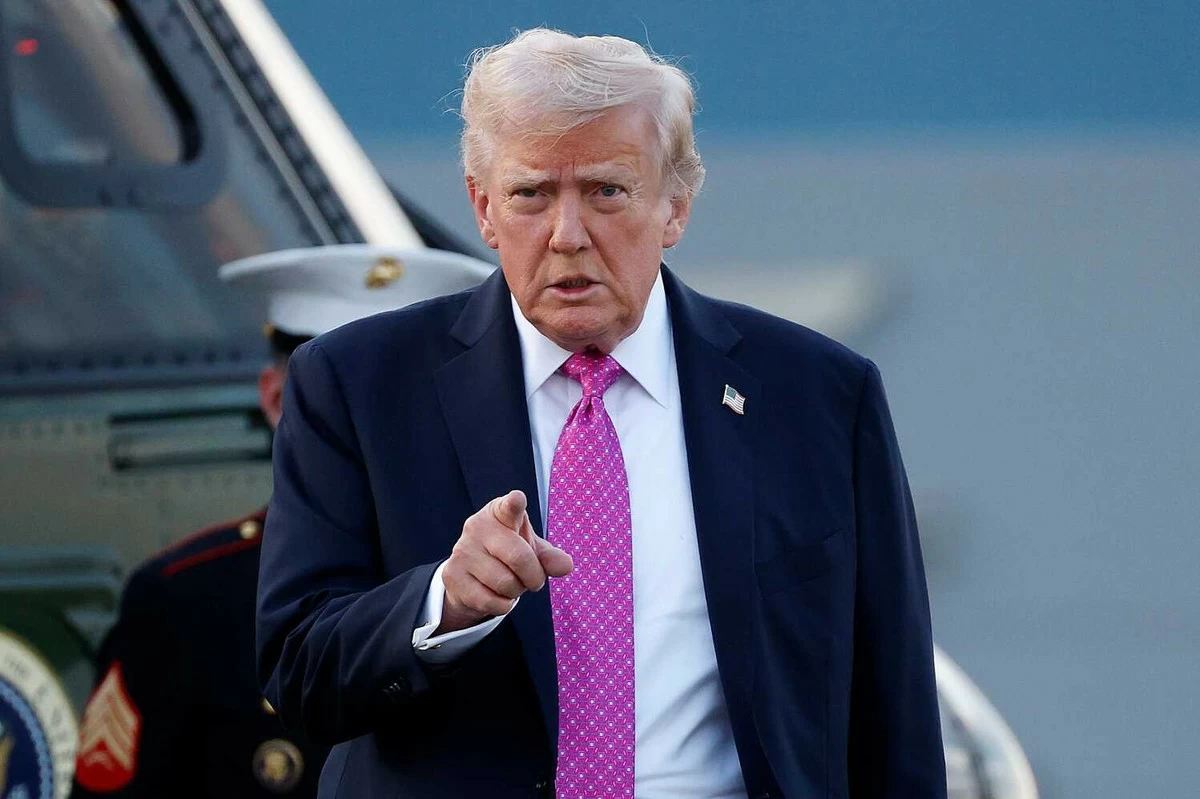

WASHINGTON, Mar 31: Donald Trump is prepared to wind down the U.S. military campaign against Iran even if the critical Strait of Hormuz remains largely closed, according to administration officials, a move that could prolong disruption to global trade and energy supplies.
Officials said the decision reflects concerns within the administration that reopening the strategic waterway—through which a significant share of the world’s oil passes—would require a prolonged and complex military operation extending beyond Trump’s preferred four- to six-week timeline. Instead, Washington aims to weaken Iran’s naval capabilities and missile stockpiles before shifting toward diplomatic pressure to restore maritime traffic.
If negotiations fail, the U.S. is expected to push European and Gulf allies to take a leading role in securing and reopening the waterway, while keeping additional military options in reserve.
Trump has offered mixed signals in recent weeks, at times threatening strikes on civilian energy infrastructure if the strait remains blocked, while on other occasions downplaying its importance to the United States and suggesting the issue should be addressed by other nations.
The continued closure of the Strait of Hormuz is already straining global markets, driving up fuel prices and disrupting supply chains. Key industries reliant on materials such as fertilizer and helium are reporting shortages, raising concerns over broader economic fallout.
Critics have warned that ending military operations without reopening the strait could deepen the crisis. Suzanne Maloney described the approach as “unbelievably irresponsible,” arguing that the global nature of energy markets makes it impossible for the U.S. to avoid economic consequences.
Despite the apparent push to de-escalate, the U.S. has continued to bolster its regional military presence. The amphibious assault ship USS Tripoli and the 31st Marine Expeditionary Unit have entered the region, while additional deployments involving the 82nd Airborne Division and potentially thousands of troops are under consideration.
Meanwhile, Iran has defended its actions. Abbas Araghchi said Tehran’s attacks in the Gulf target U.S. forces rather than regional states, despite reported strikes affecting civilian infrastructure. In a message directed at Saudi Arabia, he described the kingdom as a “brotherly nation” while urging the removal of American forces from the region.
Analysts warn that without a negotiated settlement or decisive intervention, tensions around the Strait of Hormuz could continue to threaten global trade and regional stability.