
Thursday, April 23, 2026
 
search-icon

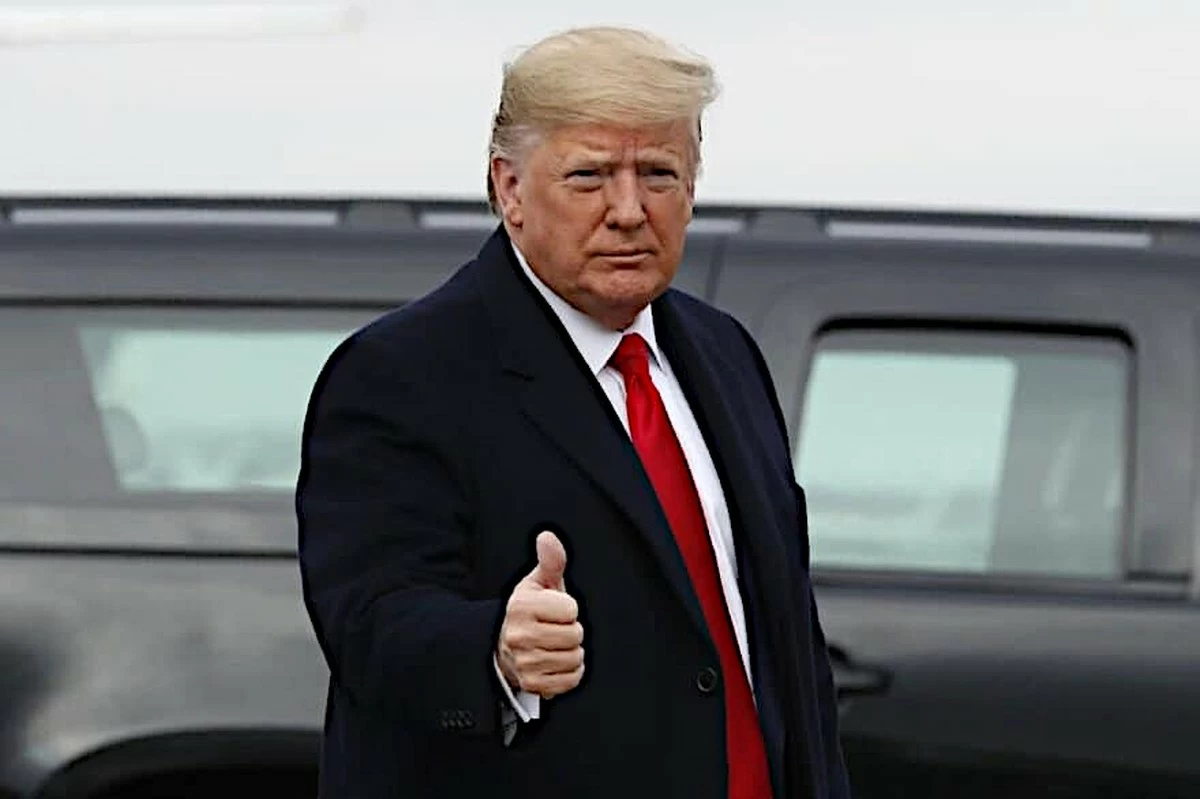
Trump orders US military to “shoot and kill” Iranian small boats laying mines near Strait of Hormuz

publish time

23/04/2026

publish time

23/04/2026

Trump orders US military to “shoot and kill” Iranian small boats laying mines near Strait of Hormuz

WASHINGTON, Apr 23: US President Donald Trump has ordered the US military to open fire on Iranian small boats allegedly involved in placing naval mines in the Strait of Hormuz, one of the world’s most critical shipping routes.

In a social media post on Thursday morning, Trump said he had instructed US naval forces to use lethal force against any small craft suspected of deploying mines in the waterway.

“I have ordered the United States Navy to shoot and kill any boat, small boats though they may be ... that is putting mines in the waters of the Strait of Hormuz,” Trump wrote. “There is to be no hesitation.”

He also said US mine-clearing operations in the region were being significantly expanded.

“Additionally, our mine sweepers are clearing the Strait right now. I am hereby ordering that activity to continue, but at a tripled-up level,” he added.

The Strait of Hormuz is a vital chokepoint for global oil shipments, and any escalation in military activity in the area risks further destabilizing already heightened regional tensions.

President Trump has increasingly relied on naval blockades to pressure the governments of Venezuela, Cuba, and now Iran to meet U.S. demands, but his preferred strategy is encountering a very different geopolitical reality in the Middle East than in the Caribbean.

Unlike Cuba or Venezuela, Iran effectively controls access to the Strait of Hormuz — a vital global energy artery — meaning that the longer the standoff continues, the greater the potential shock to the global economy. Tehran also poses a significantly more capable military challenge than U.S. adversaries in the Western Hemisphere, requiring sustained naval and logistical engagement far from American shores.

Iran’s leverage over the Strait of Hormuz gives it considerable influence during a fragile standoff, as rising economic risks — including the possibility of higher U.S. fuel prices in an election year — could eventually pressure Washington to reconsider its blockade strategy, analysts say.

“It’s really a question now of which country, the U.S. or Iran, has a greater pain tolerance,” said Max Boot, a military historian and senior fellow for national security studies at the Council on Foreign Relations.