



19/12/2025

Share:
19/12/2025
Share:

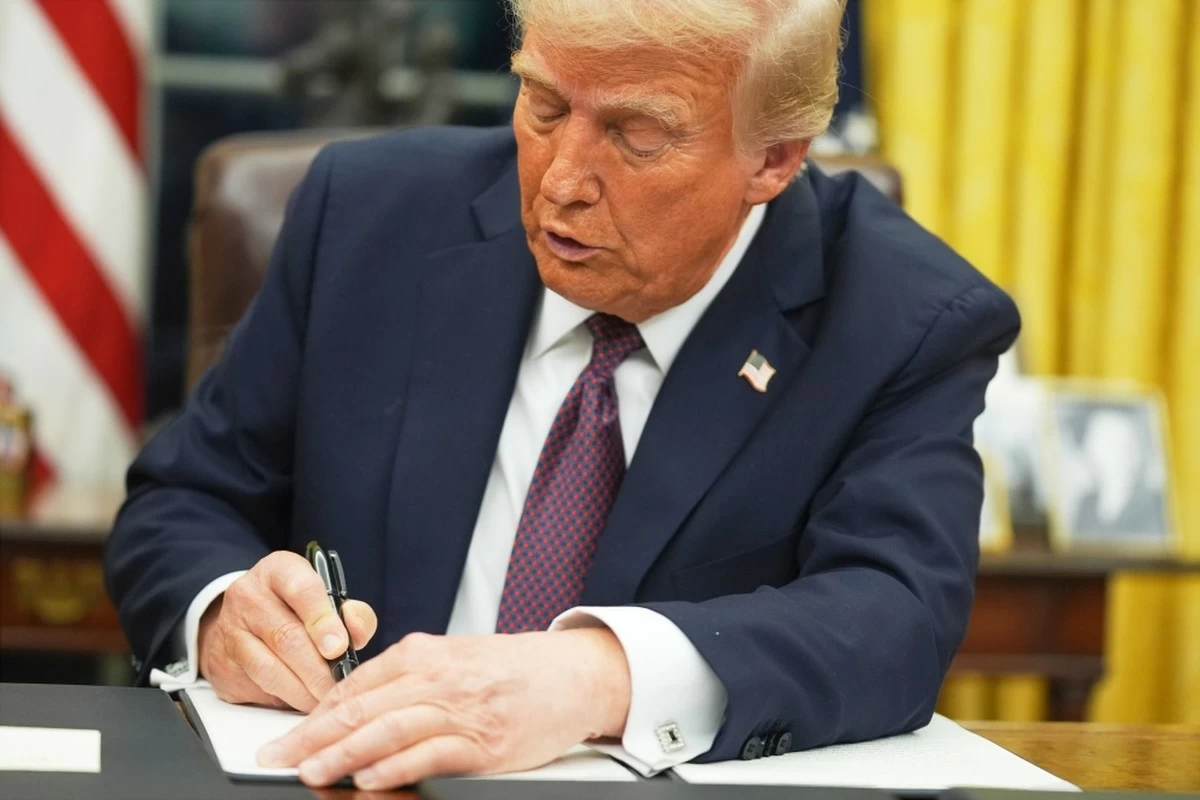
WASHINGTON, Dec 19: U.S. President Donald Trump on Thursday, December 18, 2025, ordered the suspension of the Diversity Visa (green card lottery) programme, the scheme under which the suspect in the fatal shootings at Brown University and the Massachusetts Institute of Technology (MIT) had entered the United States.
Homeland Security Secretary Kristi Noem announced the decision in a post on the social media platform X, stating that she had directed U.S. Citizenship and Immigration Services (USCIS) to pause the programme at President Trump’s instruction.
“This heinous individual should never have been allowed into our country,” Noem said, referring to the suspect, 48-year-old Portuguese national Claudio Neves Valente.
Neves Valente is suspected of carrying out shootings at Brown University that left two students dead and nine others wounded, as well as killing an MIT professor. Authorities said he was found dead on Thursday evening from a self-inflicted gunshot wound.
According to U.S. Attorney for Massachusetts Leah B. Foley, Neves Valente obtained legal permanent resident status in 2017 through the Diversity Visa programme.
The programme allocates up to 50,000 green cards annually through a lottery system to applicants from countries with historically low rates of immigration to the United States, many of them in Africa. Established by Congress, the programme’s suspension is widely expected to face legal challenges.
Nearly 20 million people applied for the 2025 Diversity Visa lottery, with more than 131,000 individuals selected when including spouses of primary applicants. Lottery winners must undergo extensive background checks, interviews at U.S. consulates, and the same vetting procedures required of all green card applicants before being admitted to the country. Portuguese nationals received just 38 slots in the 2025 lottery.
President Trump has long opposed the Diversity Visa programme, and the move marks another instance of his administration using high-profile crimes to advance broader immigration policy objectives. Following a November attack in which an Afghan national was identified as the gunman in a fatal assault on National Guard members, the administration imposed sweeping restrictions on immigration from Afghanistan and several other countries.
As part of a broader push for mass deportations, President Trump has also sought to restrict or eliminate legal pathways to immigration, including those established by statute. His efforts extend even to constitutionally protected provisions, such as birthright citizenship for individuals born on U.S. soil. The U.S. Supreme Court has recently agreed to hear his challenge to the long-standing interpretation of birthright citizenship.