



26/01/2026

Share:
26/01/2026
Share:
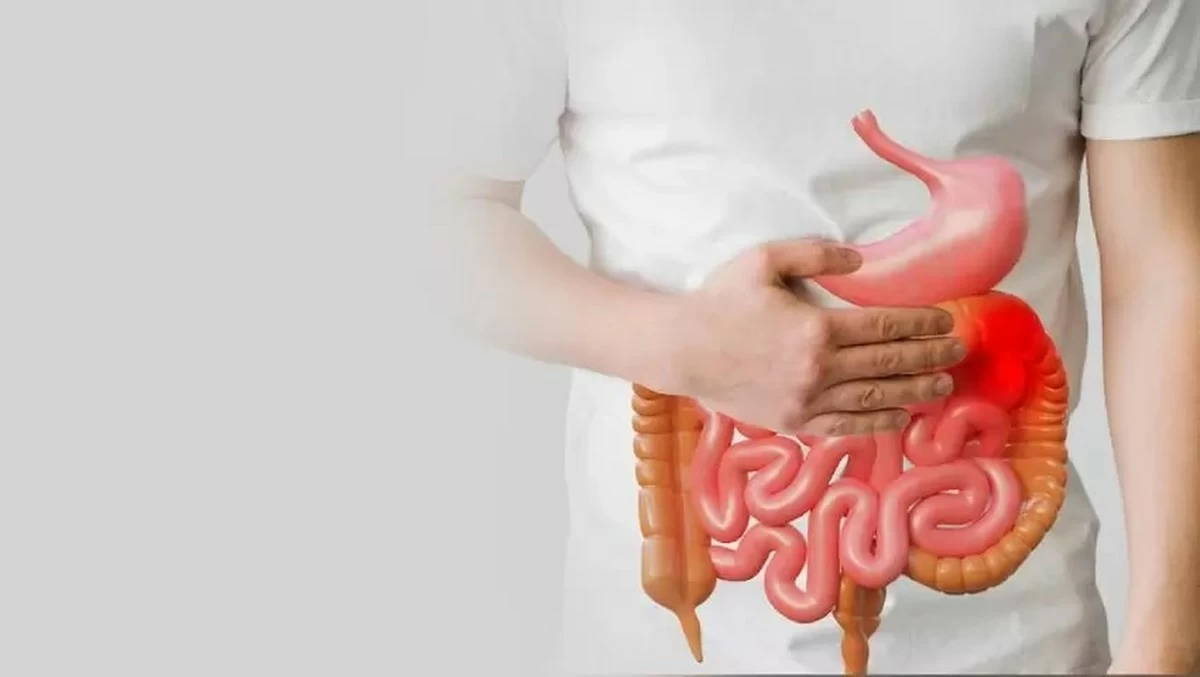

LONDON, Jan 26: Nutrition and gut health experts have identified six common foods that may damage the gut microbiome, potentially causing digestive issues and long-term health effects.
Jordan Haworth, a gastrointestinal physiologist at the Microbiome Clinic, and nutritionist Adrienne Benjamin highlighted foods that disrupt the balance of gut bacteria, including packaged bread, ice cream, low-sugar sodas and sweets, vegan cheeses, oysters, and fried foods.
Packaged bread: Many supermarket breads contain synthetic emulsifiers, refined flours, and additives designed to extend shelf life, which can reduce fiber content and harm gut bacteria. Even breads labeled as “sourdough” or “high-fiber” may contain chemicals, flavorings, and commercial yeasts that mimic artisanal products, according to Haworth. He recommends checking nutrition labels and choosing multi-grain loaves or bakery-sourced bread.
Ice cream: Store-bought ice cream often contains synthetic emulsifiers, sugar, and dairy sugars that can ferment in the gut, causing bloating, gas, and diarrhea for those with lactose intolerance. Fermented dairy such as kefir or Greek yogurt is suggested as a gut-friendly alternative.
Low-sugar sodas and sweets: Artificial sweeteners and sugar alcohols can alter gut bacteria, weaken the intestinal lining, and increase susceptibility to inflammation and infection. Popular sweeteners like sucralose and saccharine have been shown to affect the microbiome and blood sugar regulation.
Vegan cheeses: Many plant-based cheeses contain refined oils, starches, and stabilizers, providing little nutritional benefit and potentially irritating the gut lining. Experts recommend choosing alternatives made from whole foods such as nuts, seeds, or cooked vegetables.
Oysters: Raw or undercooked oysters pose a high risk for foodborne illness. Haworth noted that bacterial toxins and viruses in oysters can trigger inflammation, digestive upset, and long-term gut issues, such as irritable bowel syndrome. Cooking oysters thoroughly is advised to reduce the risk.
Fried foods: Deep-fried foods cooked in vegetable, soy, or canola oils can produce oxidized compounds that negatively affect the gut microbiome and are harder to digest. Haworth recommends using extra virgin olive oil for cooking, as its polyphenols protect food from oxidation.
Experts emphasize that maintaining gut health involves both consuming foods rich in probiotics and prebiotics and avoiding highly processed or harmful foods. A balanced diet, rich in fiber and minimally processed ingredients, is key to supporting healthy gut bacteria and overall digestive wellness.