



13/01/2026

Share:
13/01/2026
Share:
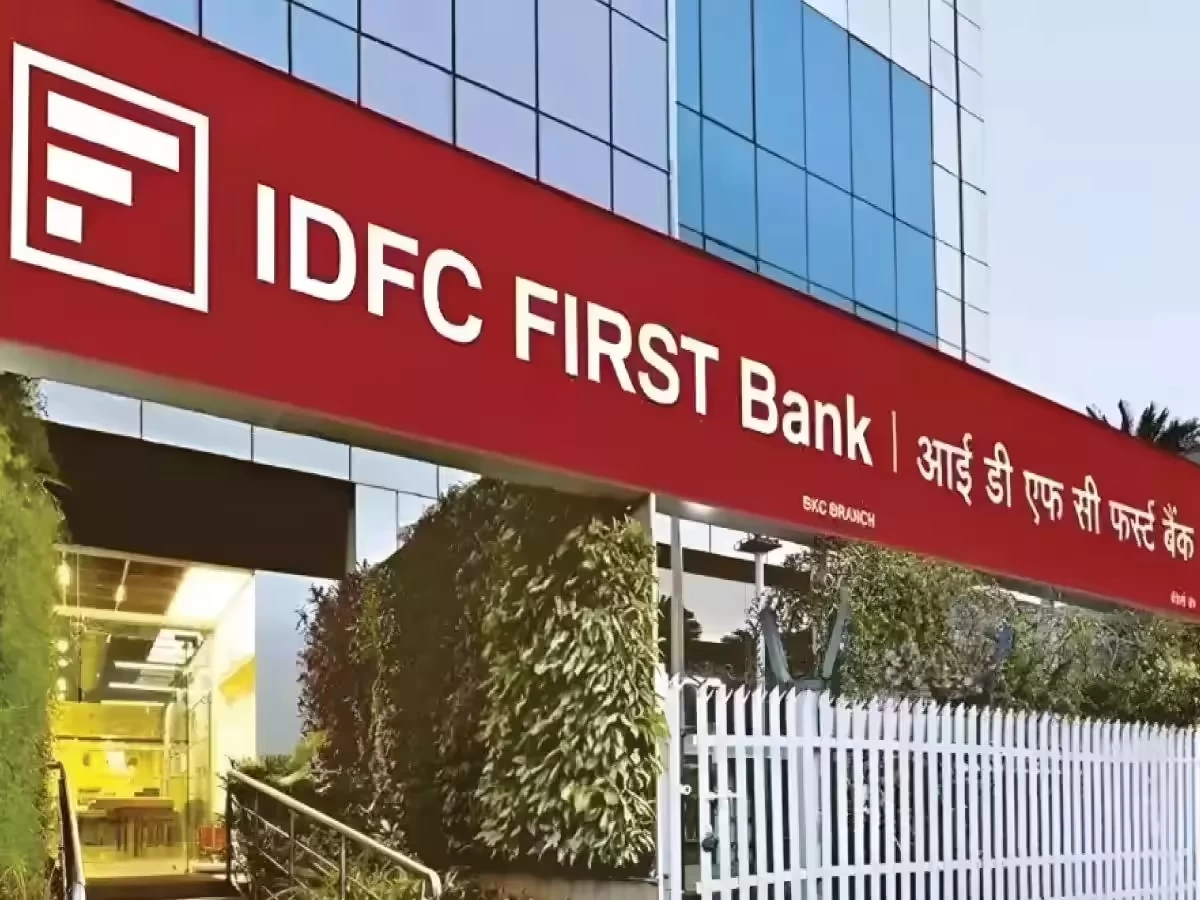

KUWAIT CITY, Jan 13: Non-resident Indians often look for a safe, straightforward way to park overseas earnings in India while keeping day-to-day life simple for their families back home. A fixed deposit designed for NRIs does exactly that by bringing stability, convenience, and planning clarity to cross-border finances.
In this article, you will explore the practical benefits of opening and maintaining this deposit, how it supports liquidity and repatriation, and what to check before you proceed.
Stable Growth and Liquidity on Your Overseas SavingsAn IDFC FIRST Bank NRE fixed deposit helps you grow foreign income in India with predictable returns across chosen tenures. NRE FDs are held in rupees, which suits regular expenses in India.
Key advantages:
- Choice of short or long tenures to match goals such as fees, home spends, or gifts
- Interest is credited at agreed intervals for better cash flow planning.
- Option to link an overdraft or loan against the deposit in many banks, which helps keep investments intact.
- Online opening and renewal that reduces paperwork and travel.
This blend of stability and access makes the product fit for NRIs who value calm, consistent growth.
Easy Repatriation and Simplified Banking With Your NRE AccountA linked NRE account keeps inward remittances straightforward. Principal and interest from the deposit are typically repatriable, which supports flexibility when funds are needed abroad. The banking experience is designed to be simple for families in India as well.
What it means in practice:
- Seamless transfers from overseas to India for creating or topping up deposits.
- Consolidation of savings and fixed deposits under one relationship for easier tracking.
- Convenient nominee and joint holding options with eligible family members.
- Digital statements and service requests that reduce coordination across time zones.
The result is smoother money movement and fewer hurdles when managing life across countries.
Exchange Rate and Planning AdvantagesSince the deposit is maintained in rupees, it naturally aligns with expenses in India, such as education, health care, or home maintenance. Converting at the time of funding can remove guesswork for near-term rupee needs. Some savers also appreciate that repatriation converts back at the then-prevailing rate, so careful timing may help manage outcomes. For medium to long-term horizons, this clarity supports disciplined budgeting for Indian goals without the need for constant currency conversions.
What to Consider Before OpeningA little preparation strengthens the benefits:
- Tenure and payout: choose a term and interest payout frequency that match when you will need money.
- Costs and features: review service charges, premature withdrawal rules, overdraft facilities, and renewal options.
- Safety lens: check the bank’s reputation, credit ratings in the public domain, and deposit insurance limits as applicable.
- Tax position: understand how rules apply to your residency status and your country of residence; seek professional advice where needed.
- Documentation: ensure passport, visa, PAN, and address proofs are current to avoid delays.
For NRIs seeking steady growth, simple banking in India, and the comfort of repatriation when required, an NRE fixed deposit can be a practical building block for a cross-border plan. Compare features carefully, align the tenure with your goals, and choose a trusted institution such as IDFC FIRST Bank and evaluating your options.