


28/09/2026

Share:
28/09/2026
Share:
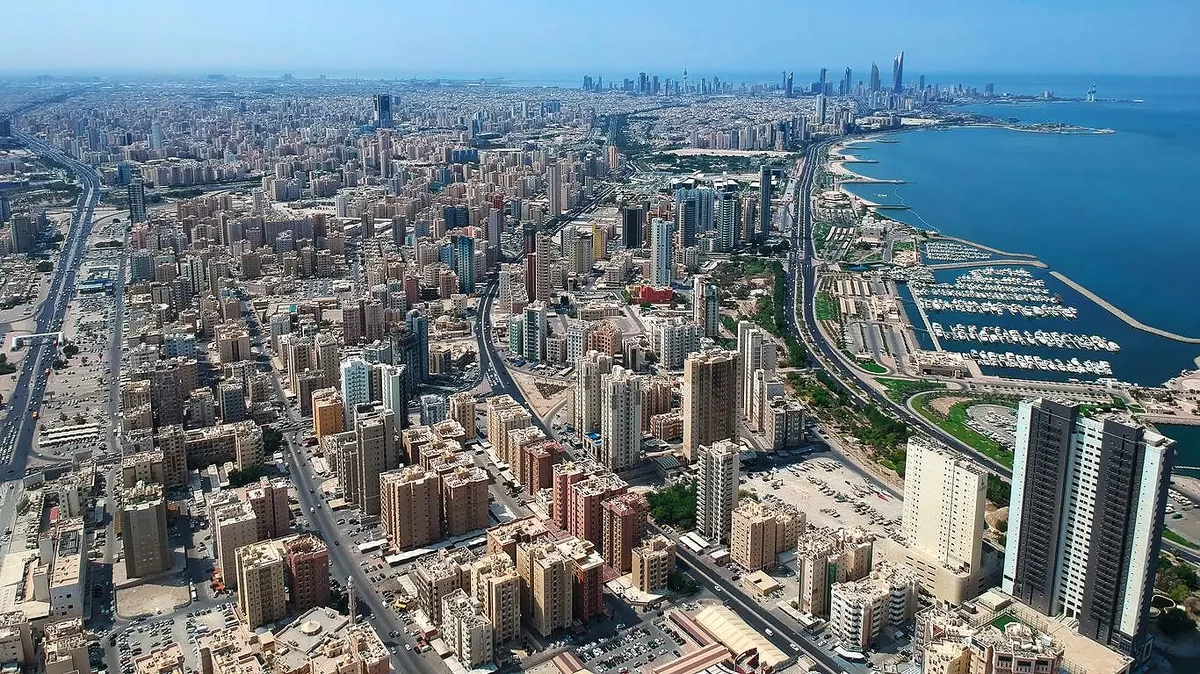

A segment of traders and real estate speculators has withdrawn from the private residential sector following tighter regulations governing vacant land, which now require owners to develop such properties rather than leave them undeveloped. Regarding buying opportunities, Al-Dughaishim said, “Anyone buying residential property today is certainly a winner.” He explained that the market experienced a significant surge following the COVID-19 pandemic, rising for several years before entering its current downward correction.
Consequently, a buyer who enters the market after careful study and precise calculations may find better opportunities than before. Market activity recorded in 2026 partially aligns with Al-Dughaishim’s description of a market realignment. The value of private residential transactions reached approximately KD 426.6 million in the second quarter of the year, an 8.2 percent increase over the first quarter, while the number of transactions rose to 1,106, up 23.3 percent. Meanwhile, the average transaction value fell to approximately KD 385.7 thousand, reflecting increased market activity alongside a decline in the average value of individual transactions.
Al-Dughaishim also highlighted the fundamental difference between the residential and investment real estate markets, cautioning against conflating the two sectors. He insisted that residential property cannot be approached using the same logic applied to investment real estate, particularly because financing the purchase and construction of private homes involves different considerations, while the return on a private home is not measured by rental yield. Al-Dughaishim noted that market data confirms the enduring importance of private housing, which accounted for 47 percent of total real estate transactions during the second quarter, compared with 31.6 percent for investment real estate. The total value of transactions during the same quarter reached KD 907.5 million.
Al-Dughaishim stated, “The government authorized the construction of two apartments to help alleviate the housing crisis; it did not authorize the construction of an entire apartment building with a basement and multiple upper floors.” He insisted that the expansion of commercial- style rentals within residential areas could compromise the privacy and intended character of these neighborhoods. Al-Dughaishim emphasized that addressing the housing crisis requires comprehensive solutions rather than placing the burden of rising demand on a single sector, calling for a clear distinction between private and investment housing
Al-Dughaishim said, “In my opinion, the solution is to establish an integrated workers’ city with affordable rents and accessible basic services. This would alleviate pressure on investment and residential areas and help regulate the rental market.” Regarding the real estate construction sector, Al-Dughaishim noted that rising costs of land, building materials, and labor have made it increasingly difficult for citizens to enter the construction market. He pointed out that the cost of building a home, which was previously around KD 150,000, now ranges from KD 250,000 to KD 300,000 in some cases, depending on the size and specifications of the project. Al-Dughaishim attributed this increase to rising prices for construction materials and labor, as well as the impact of regional and international crises on supply chains. He emphasized that construction costs have become a key factor in determining a citizen’s ability to own a home. Al-Dughaishim also addressed the issue of expatriate labor and professional expertise. He criticized policies that restrict experienced professionals from continuing to work after reaching the age of 60, arguing that the loss of such expertise affects not only the labor market but also other sectors, including real estate, construction, and services.
Al-Dughaishim stated that Kuwait needs to benefit from the expertise of professionals who have demonstrated a high level of competence, particularly in positions that are difficult to fill quickly. He called for flexible policies that distinguish between unskilled labor and professionals with specialized, in-demand expertise. Regarding property ownership for expatriates, Al-Dughaishim supported providing eligible expatriates with greater opportunities to own real estate, subject to clear regulations. He noted that some residents have spent decades in Kuwait and paid substantial amounts in rent without ever acquiring real estate assets. Al-Dughaishim cited the example of an expatriate paying KD 350 per month for 43 years, noting that the total would theoretically amount to approximately KD 180,000.
He asked, “Why couldn’t a portion of these funds be channeled toward regulated home ownership, provided that legislation permits it?” Al-Dughaishim stated that allowing property ownership under carefully considered regulations could generate an economic cycle benefiting citizens, the banking sector, and the real estate market. He pointed to regional examples, most notably Dubai, which has adopted specific systems allowing non-citizens to own property in designated areas. Al-Dughaishim explained that the Kuwaiti real estate market does not need isolated decisions; rather, it requires a comprehensive vision that integrates housing, land, construction, labor, and rental markets. Such an approach would ensure that each sector