



03/02/2026

Share:
03/02/2026
Share:

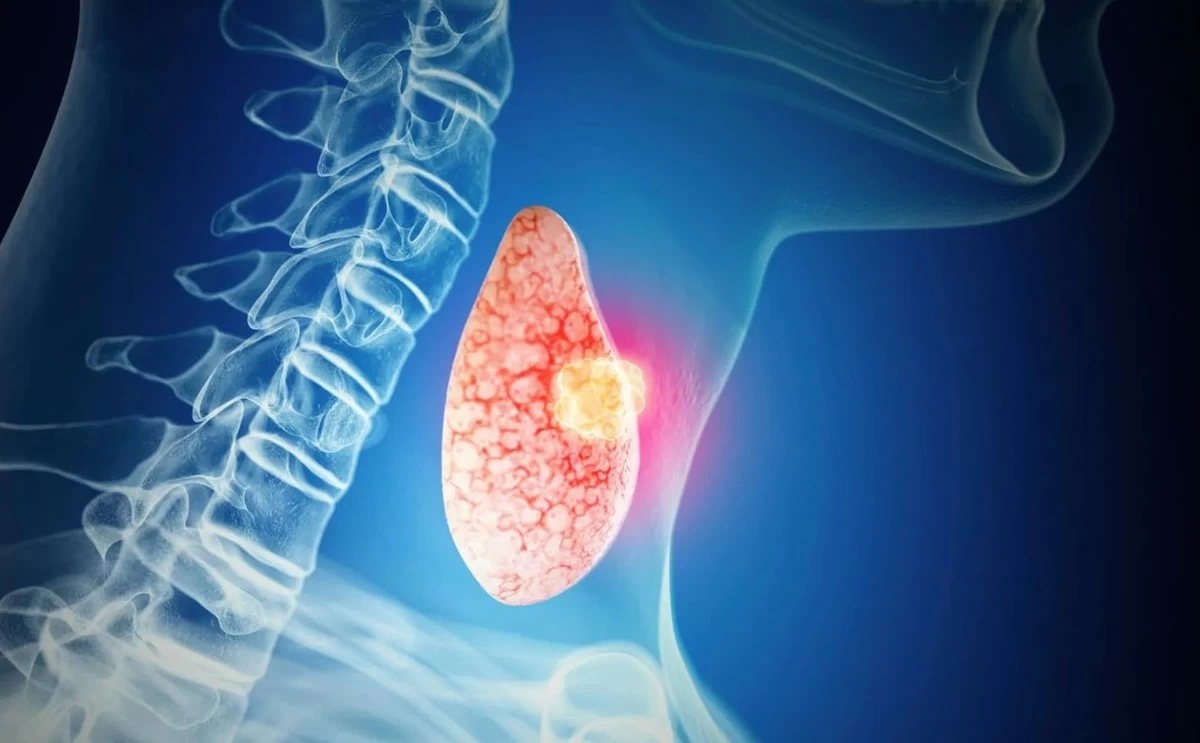
KUWAIT CITY, Feb 3: Consultant and Head of the Surgical Oncology Department at Kuwait Cancer Control Center (KCCC) Dr. Amal Yousef said the center organized a scientific workshop on head and neck tumors, featuring international experts from the United Kingdom and the United States of America, with doctors from various medical disciplines in attendance.
Yousef confirmed that the workshop is an advanced scientific platform for discussing 28 complex cases like tumors in the jaw, facial bones, thyroid gland and tongue. She stated this was done through a multidisciplinary medical team approach, which includes oncological surgeons, radiologists, radiation therapists, chemotherapists and pathologists in order to develop comprehensive treatment plans for each case. She disclosed that the medical team performed 11 complicated surgical procedures during the workshop, such as surgeries for thyroid, salivary gland, jaw, facial bone and tongue tumors. She considers these surgeries a reflection of the advanced skills of the medical staff and their readiness to handle the most complex head and neck tumor surgeries.
Regarding epidemiological indicators, she stated that the latest data from KCCC showed that breast cancer topped the list of cancers among women in Kuwait, while colon cancer is the most common among men, followed by prostate cancer and then leukemia. She indicated that thyroid tumors are witnessing a significant increase in diagnosis rates, particularly among women.
She said the risk factors include childhood radiation exposure, genetic factors, advancing age, obesity, iodine imbalances, and the presence of goiter accompanied by antibodies. She also affirmed the commitment of KCCC to keep on organizing workshops and scientific conferences, as well as attract international expertise, to develop treatment services, raise the efficiency of medical staff, and achieve the best possible treatment outcomes for patients.
Marwa Al-Bahrawi Al-Seyassah/Arab Times Staff