



15/09/2026

Share:
15/09/2026
Share:

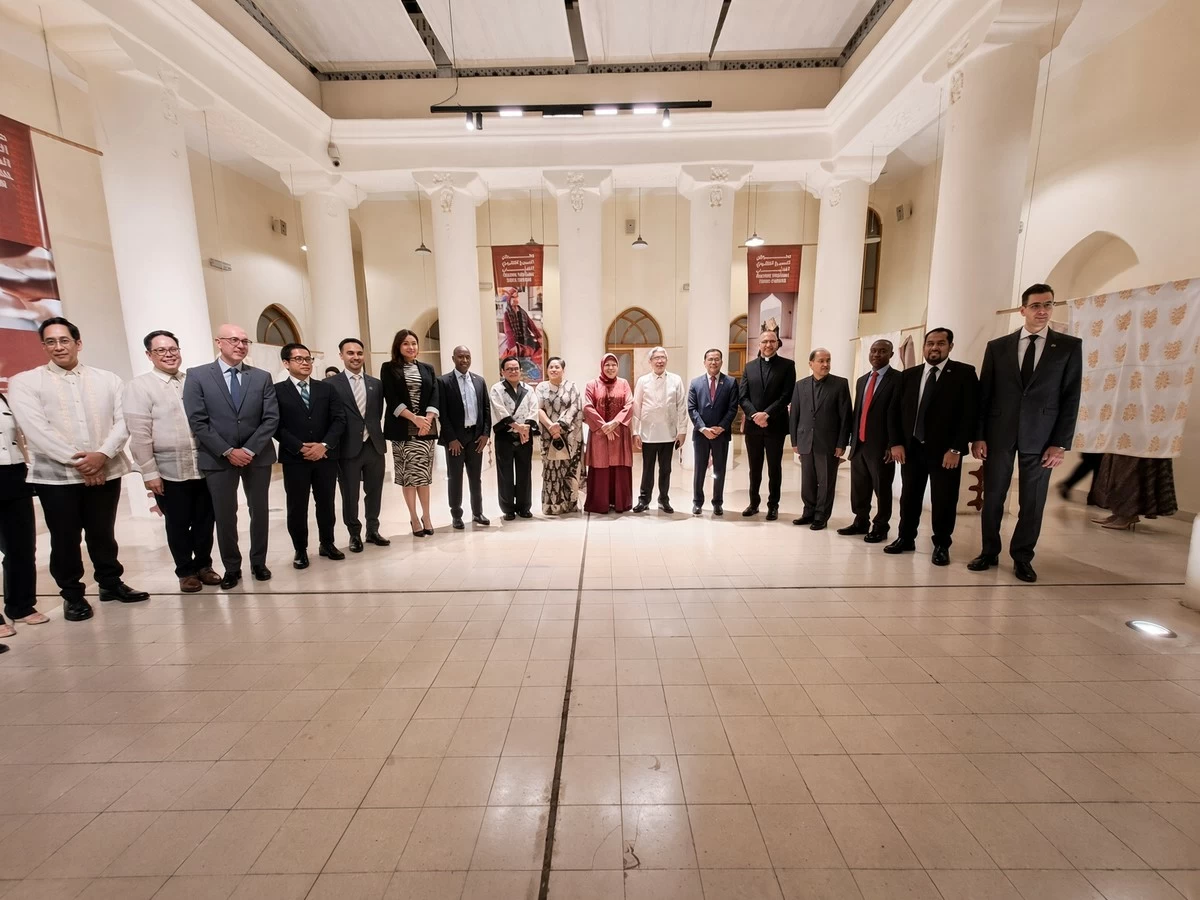
KUWAIT CITY, Sept 14: Centuries of Filipino history, identity and craftsmanship are being brought to life in Kuwait through the Philippine Traditional Textile Exhibition, which opened on Monday at Bait Al Sadu, showcasing the country's rich and diverse traditions of weaving and textile production.
Organized by the Embassy of the Republic of the Philippines in Kuwait in collaboration with AlSadu Society and under the patronage of the National Council for Culture, Arts and Letters (NCCAL), the exhibition brings together traditional Philippine textiles, garments, weaving techniques and craftsmanship from different regions of the archipelago. Traditional artisans from the Philippines are also present to demonstrate their skills and share with visitors the knowledge and techniques passed down through generations.
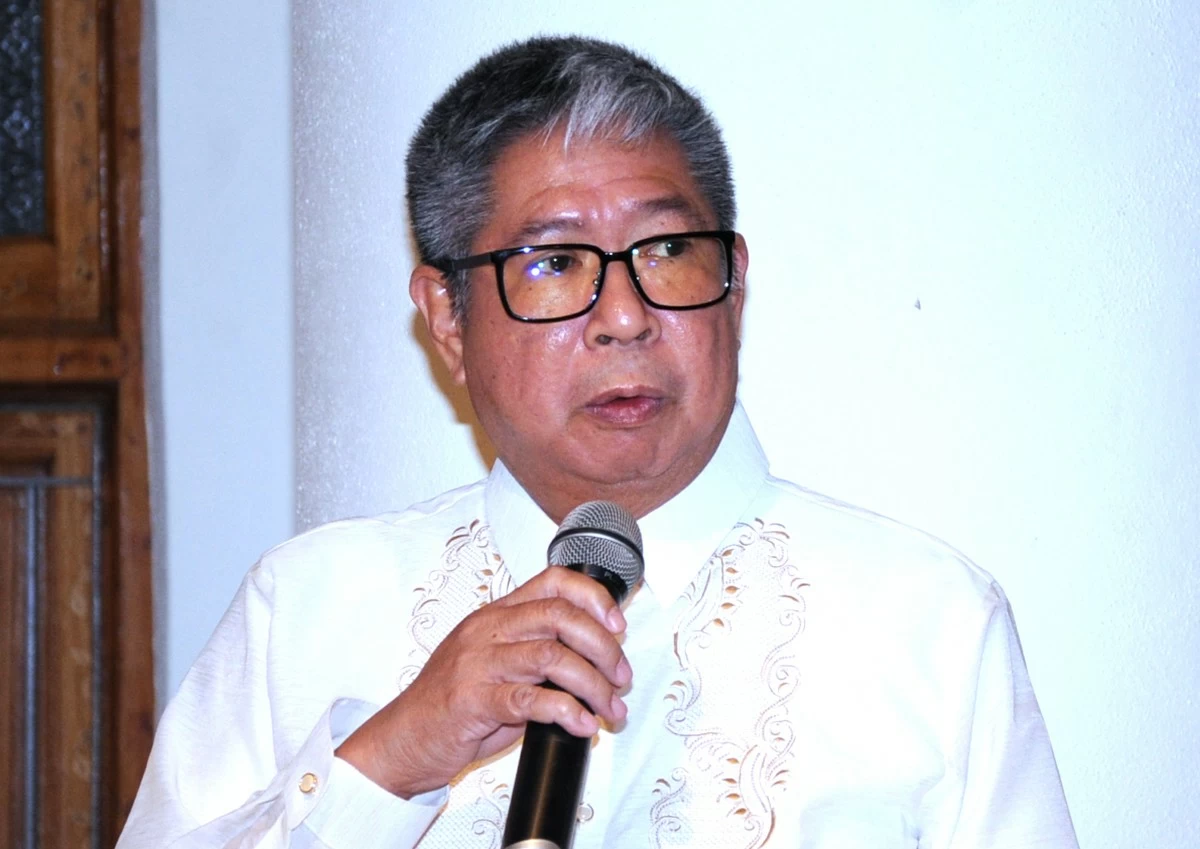
For His Excellency, Jose A. Cabrera III, Ambassador of the Republic of the Philippines to Kuwait, the exhibition represents an important cultural milestone. “This is the first time the Philippine Embassy is holding an exhibition dedicated to traditional Philippine textiles and garments,” the Ambassador said, expressing appreciation to AlSadu Society, under the leadership of Sheikha Altaf Salem Al-Ali Al-Sabah and Sheikha Bibi Duaij Al-Jaber Al-Sabah, and NCCAL for their support in making the event possible.
The Ambassador stressed that textiles are far more than decorative objects, describing weaving as an important part of the cultural heritage and identity of communities around the world. “Weaving traditions are an important part of the cultural heritage and identity of many nations and societies,” he said.
He noted that exhibitions such as this provide an opportunity for cultures to meet and learn from one another while encouraging communities to protect their own traditions. “Our exhibitions not only increase awareness of the traditions of other countries but also help communities sustain and preserve their own traditions for present and future generations,” he said.
Threads that connect cultures
The exhibition carries particular significance in Kuwait, where AlSadu, the country's own traditional weaving heritage, has long been associated with Bedouin culture, community life and artistic expression. The Philippine exhibition creates a natural cultural connection between two countries whose traditional textile practices have been shaped by generations of craftsmanship and knowledge.
“Weaving is a tradition that dates back hundreds of years. In Kuwait and the Philippines, weaving became an important part of our cultural heritage and sustainable traditions,” the Ambassador said.
Traditional textiles, he explained, provide a window into the communities that create them, with colours, patterns, materials and designs reflecting local environments, beliefs and social values.
“The visual designs and fabrics are part of the story and the history of our people and countries,” he said, adding that traditional textiles are closely connected to the development of community culture and identity.
The exhibition is part of AlSadu Society's continuing efforts to promote cultural exchange through textiles and traditional crafts. Textiles carry not only technical knowledge but also stories, memories and identities that are transferred from one generation to another.
Piña — weaving with pineapple fibres
Among the Philippine traditions represented is piña, one of the country’s most highly regarded traditional textiles and a craft now inscribed on the Representative List of the UNESCO Intangible Cultural Heritage of Humanity. Made from fibres extracted from pineapple leaves, piña is produced through an intricate handloom weaving process that requires considerable patience, precision and skill.
Farmers harvest the leaves of “pinya Bisaya,” a particular pineapple variety, before carefully extracting the fibres by hand. The knowledge associated with growing the pineapple, preparing the fibres and weaving the finished textile has traditionally been passed down within families.
Children grow up watching older family members cultivate pinya Bisaya and work at the loom before eventually learning the craft themselves. The tradition is also being preserved through Schools of Living Traditions, established through partnerships between local communities and the Philippine government to safeguard the country's intangible cultural heritage.
Piña has become closely associated with Filipino identity and is widely valued for formal clothing. At the same time, weavers continue to experiment with designs and patterns, demonstrating how traditional craftsmanship can remain relevant while preserving its original character.
The craft also provides livelihoods for families and communities, making piña not only a cultural treasure but also an important source of economic opportunity and empowerment.
Yakantennun — a living heritage of Basilan
Another distinctive tradition is tennun, the traditional handwoven textile of the Yakan people of Basilan in the southern Philippines.
Known for its vibrant colours and intricate geometric patterns, tennun represents generations of knowledge, identity and craftsmanship. In communities such as Bohe Bessey and Parangbasak in Lamitan City, Yakan women continue to work at household looms, preserving techniques and designs handed down through generations.
For women such as Vilma Ausalin, Nanjinan Awalan and Dalilan Kamasun, weaving represents much more than a livelihood. It is a direct connection to their families, ancestors and cultural identity.
Vilma continues the legacy of her mother, the late Abuh Ambalang Ausalin, a renowned master weaver from Basilan and a National Living Treasure Awardee. Nanjinan learned to weave when she was only six years old and continues to create traditional pieces, including the Saputangan, a traditional headdress worn by Yakan women.
For Dalilan, weaving has also provided a path to a better future for her family. Income from her woven pieces helped finance her daughter's education, eventually enabling her daughter to become a licensed professional teacher.
The stories behind tennun demonstrate how traditional crafts can simultaneously preserve cultural identity and provide economic opportunities for women and their families.
Preserving the past, creating the future
The Philippine government's efforts to sustain traditional textile practices also form an important part of this cultural story. The Ambassador highlighted the work of the Department of Science and Technology and the Philippine Textile Research Institute in supporting local and indigenous communities and helping keep traditional weaving practices viable through enterprise, innovation and trade.
“Communities continue to pass these techniques from one generation to the next, preserving patterns and imagery that carry deep cultural significance,” the Ambassador said.
by John C Fernandes
Online Media Manager
Arab Times