



23/07/2026

Share:
23/07/2026
Share:

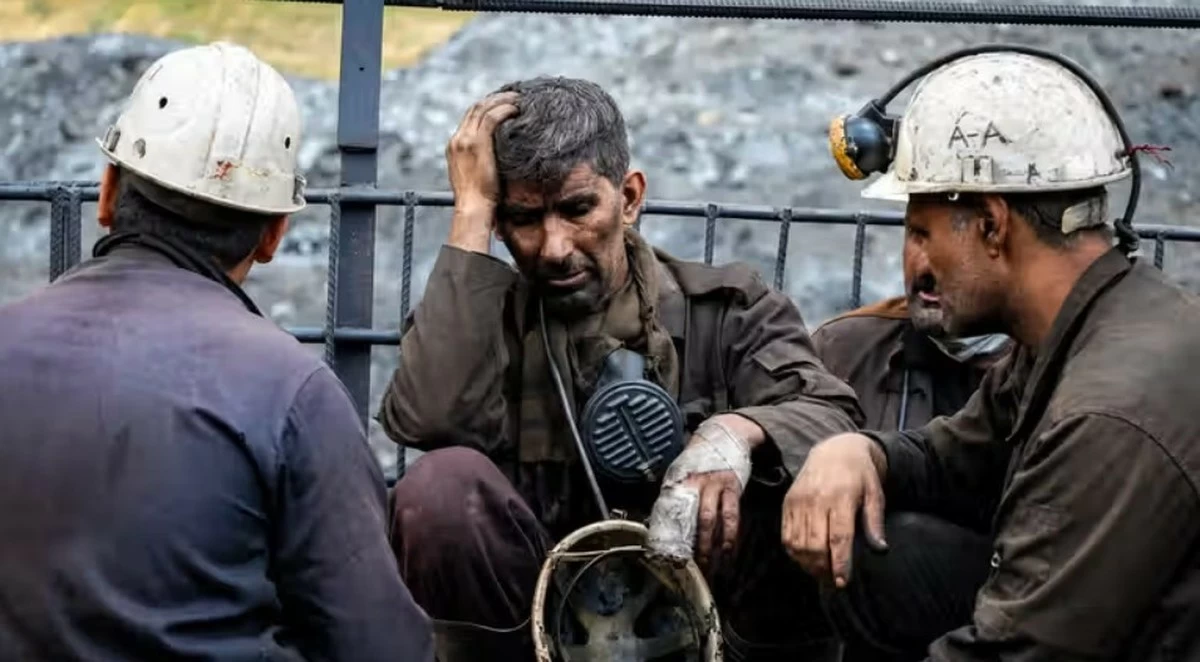

TEHRAN, July 23: Iranian workers are facing mounting financial hardship as months of unpaid wages, rising inflation and a weakening economy threaten to spark widespread labor unrest, according to labor representatives and local media.
Akbar Shokat, executive secretary of the Workers' House in Qom province, warned on Thursday that many workers have exhausted their financial reserves and could reach a breaking point within the next two months unless the government intervenes.
"The country will certainly face significant unrest among workers by the end of the summer if the current trend continues," Shokat told the Iranian Labor News Agency (ILNA).
Workers return to jobs but remain unpaidAccording to ILNA, many employees who were temporarily laid off during the recent conflict between the United States and Iran turned to temporary jobs, including ride-hailing services, to support their families.
However, after being recalled to factories and workplaces, many discovered they had still not received wages for June and July. Their return to work also made them ineligible for unemployment benefits, leaving them without an alternative source of income despite continuing to work without pay.
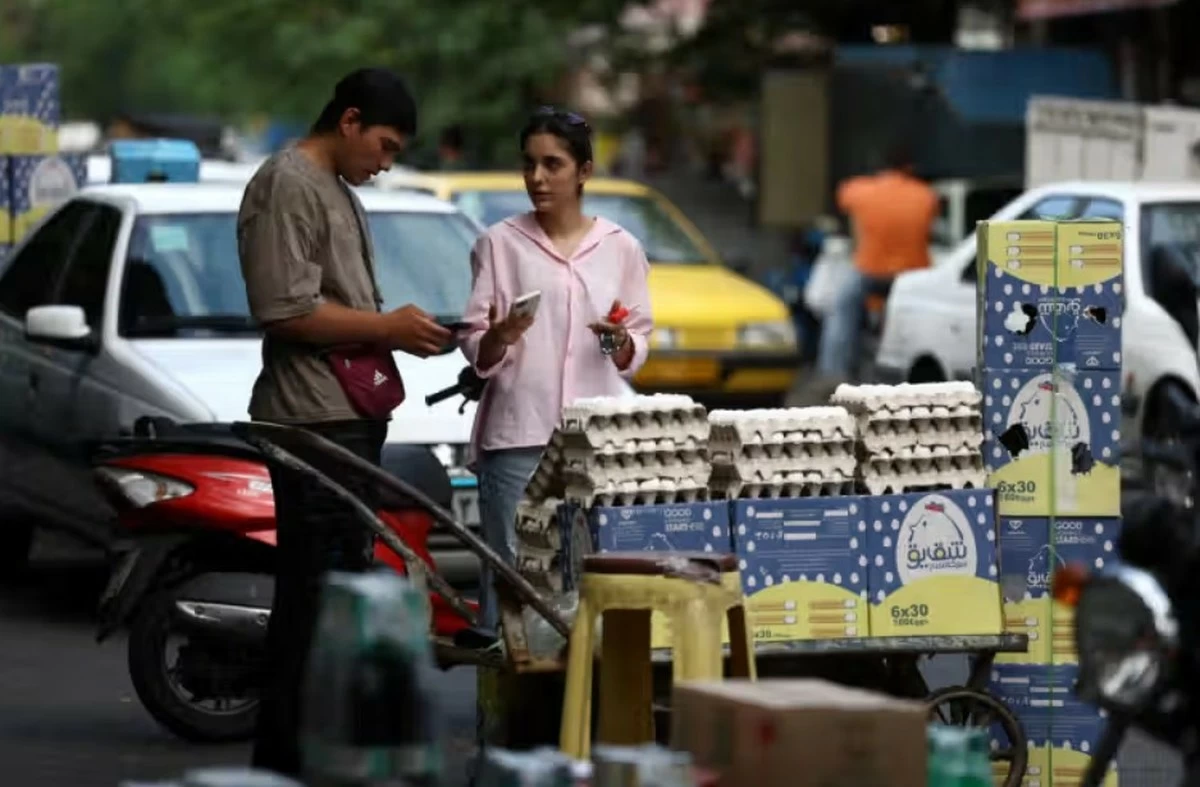
Shokat said most Iranian workers already live below the poverty line after years of wage stagnation and soaring living costs, leaving little capacity to cope with additional economic pressures.
Employers accused of exploiting crisisShokat accused some employers of using the current economic climate as an excuse to delay salary payments while deliberately reducing production despite having sufficient inventories of raw materials and finished products.
"Some employers are taking advantage of the current situation," he said.
He argued that companies that had accumulated substantial wealth over previous decades have a moral responsibility to protect workers rather than transferring the financial burden of the crisis onto employees.
Shokat urged authorities to take immediate emergency measures, including:
- Providing customs exemptions on imported industrial raw materials.
- Expanding bank financing and credit facilities for manufacturers.
- Taking legal action against employers who delay wages while stockpiling products.
He said such measures would help factories maintain production, preserve jobs and ensure workers receive their salaries on time.
Labor protests on the riseThe worsening economic situation has fueled an increase in labor protests across several sectors.
On June 23, ILNA reported that approximately 1,600 employees at the Tabriz Machinery Group halted production after going two months without receiving wages. Workers demanded immediate payment of salaries owed for May and June.
Healthcare workers in Islam-Abad-e Gharb in Kermanshah province have also staged demonstrations over delayed salaries, low wages and deteriorating living conditions.
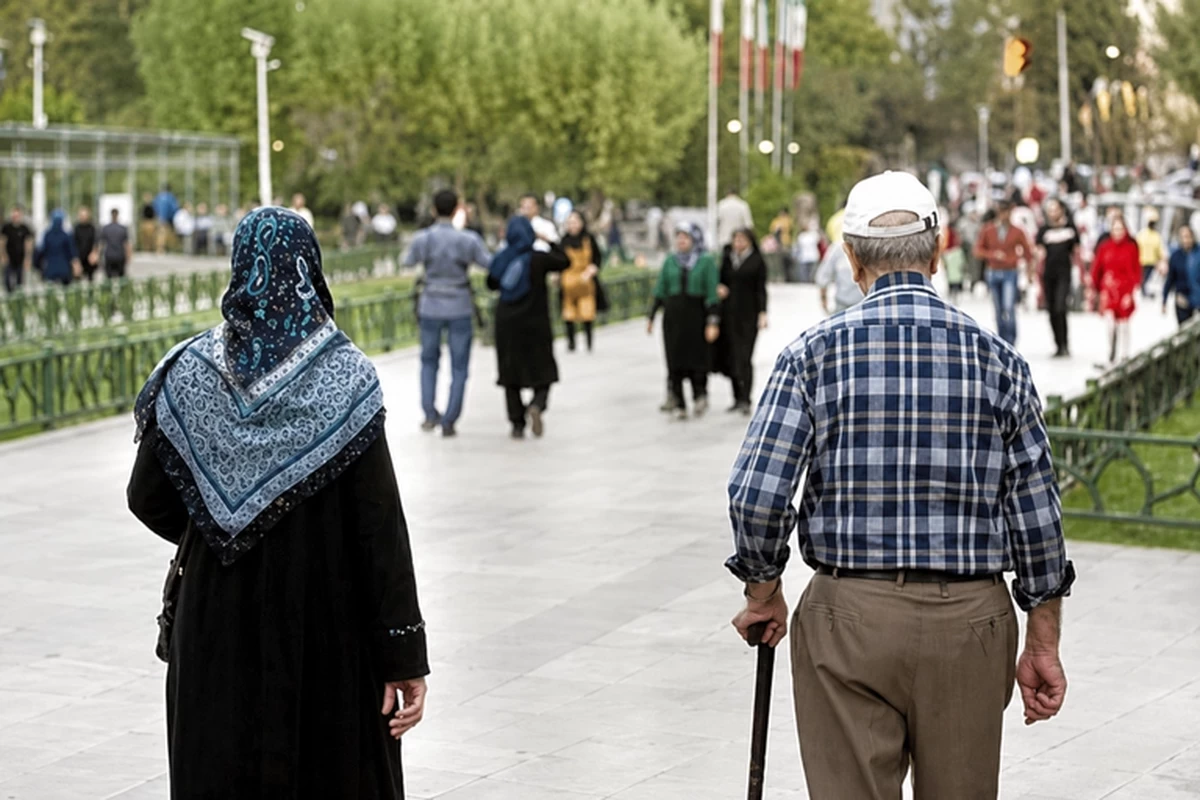
Protesters criticized what they described as unequal pay across Iran's healthcare system and said their incomes remain well below the poverty threshold.
Economic pressures intensifyThe labor crisis comes as Iran's economy continues to struggle under mounting financial pressures following the recent conflict with the United States.
The Iranian rial has continued to weaken sharply, with the US dollar trading above 1.91 million rials on the open market, further driving up the cost of imported goods and daily necessities.
At the same time, industrial production is being hit by persistent electricity shortages.
Saeed Shojaei, deputy planning minister at Iran's Ministry of Industry, Mine and Trade, told the Ettelaat newspaper on July 15 that financial losses caused by power shortages are expected to increase from approximately 3,030 trillion rials in 2024 to around 4,730 trillion rials in 2025.
Shojaei warned that if current conditions continue, industrial output will decline further and unemployment could rise significantly during the second half of the year.
With unpaid wages mounting, inflation eroding purchasing power and businesses facing growing operational challenges, labor representatives warn that without swift government intervention, Iran could face widespread worker unrest in the coming months.