



26/05/2026

Share:
26/05/2026
Share:

KUWAIT CITY, May 26: It is worth mentioning that ‘Adhahi’ (sacrificial animals or meat) is a profound act of devotion in Kuwait, honoring Prophet Abraham’s (PBUH) submission to God while reinforcing social solidarity. In Kuwaiti culture, this sacrifice symbolizes piety and acts as a vital social bond, where distributing meat reinforces communal unity, sharing wealth with the needy, and strengthening familial ties across the nation.
Every year, when the month of Dhul- Hijjah (the last month of the Islamic Lunar calendar) arrives, the markets are filled with livestock, voices rise in the neighborhoods, and the smell of barbecue wafts from every house. But have you ever stopped and asked yourself: ‘Why do we sacrifice in the first place?’
Almighty Allah begins the discussion of sacrificial animals and meat with a strikingly explicit negation. He says, translated as: “Never will (any part of their) meat nor their blood reach Allah. But, rather, it is (your devotion – inspired by the) fear of Allah in you, that reaches Him.” (Al-Hajj – the Hajj- Pilgrimage 22: 37) Almighty Allah does not want your meat from the animals you sacrifice, rather, He wants your heart (filled with obedience). He wants to see in you a person who possesses something precious and then gives it away willingly, gratefully, and humbly, not boasting to people or competing in markets. To truly grasp this meaning, consider the story of Prophet Abraham (peace be upon him). He wasn’t initially commanded to sacrifice a sheep, but rather his son - the apple of his eye, the fruit of his prayers, and the most precious thing he possessed on earth. Yet, he didn’t hesitate, he didn’t compromise, and he didn’t seek a way out. He surrendered himself entirely to God (Allah), and relief came from where he least expected it; a ram appeared from heaven as a substitute. This story isn’t just history to be read and then forgotten; it’s a living lesson, renewed each year, asking each of us: ‘What are you prepared to offer God?’
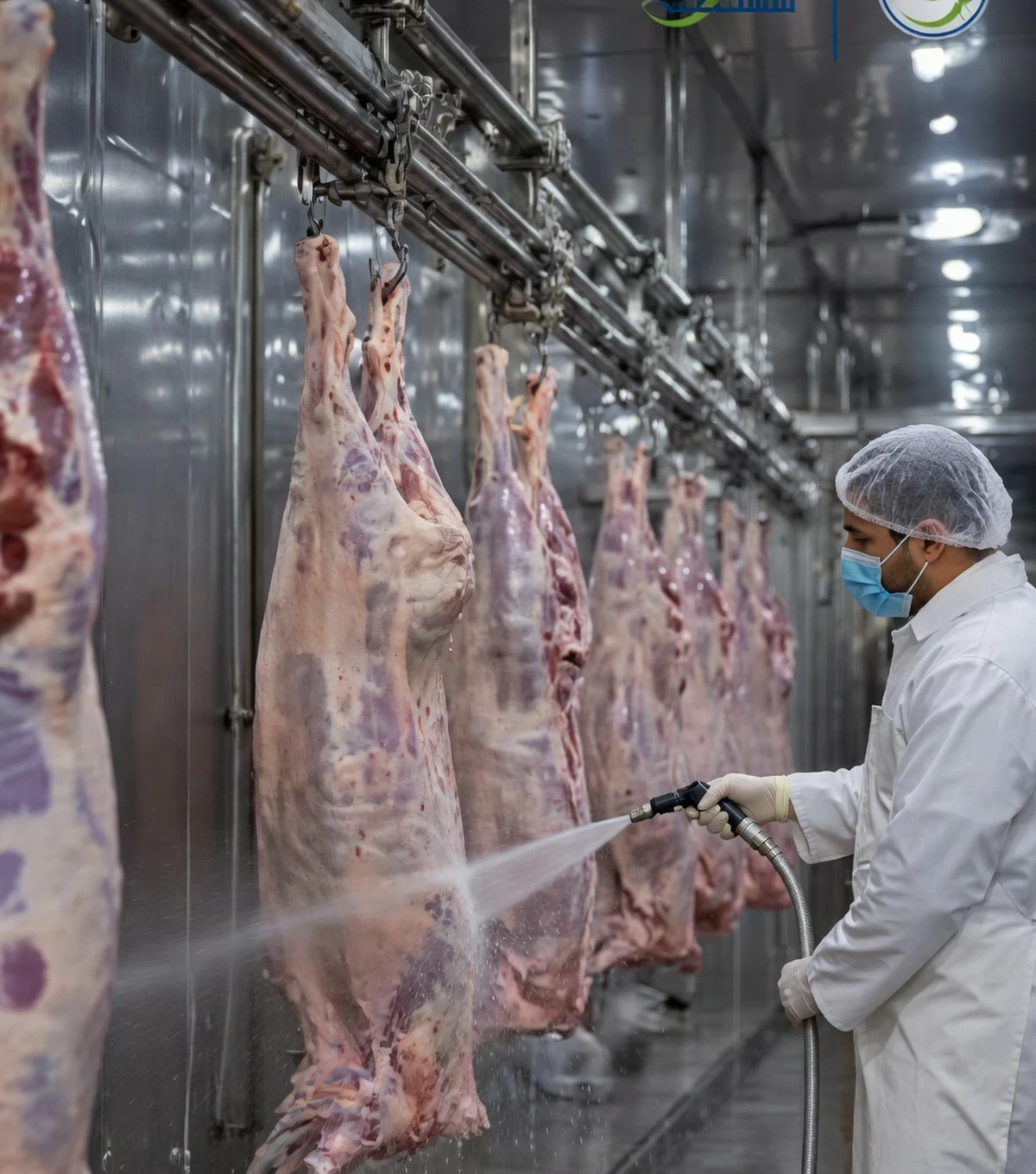
Sacrificial
Hence, the division of the sacrificial animal’s meat into three parts: one-third for the family, one-third for neighbors and relatives, and another third for the poor and the needy. That emphasizes that the sacrifice has never been a personal feast, but rather a complete social act. When you sacrifice, you are not only feeding yourself and your family, but you are also remembering your neighbor who sits behind the wall of his house, unsure how he will feed his children during the Eid celebrations.
Hence, the division of the sacrificial animal’s meat into three parts: one-third for the family, one-third for neighbors and relatives, and another third for the poor and the needy. That emphasizes that the sacrifice has never been a personal feast, but rather a complete social act. When you sacrifice, you are not only feeding yourself and your family, but you are also remembering your neighbor who sits behind the wall of his house, unsure how he will feed his children during the Eid celebrations.
You are remembering the mother who tries to hide her tears when she is unable to prepare a festive meal, and the child who longs to share the joy of meat, laughter, and the Eid celebration with his friends. This is where reputable charities come in, carrying this trust from the donor to the recipient with complete transparency. When you donate your sacrificial animal, or its meat, through an organization that discloses its accounts and documents at every step, you are not just buying meat, but rather practicing a noble form of civilized interaction - saying, “I trust someone who will deliver my donation to someone I don’t know and who doesn’t know me.”
This trust is the cornerstone upon which societies build their cohesion and solidarity. Therefore, your sacrifice, then, is not just kilograms of meat to be distributed and then it’s over. It is an act of devotion to Almighty Allah (God) that pleases the Creator, a revival of the tradition of Prophet Abraham (PBUH) that connects you to the greatest chain of faith in history, a true joy in the heart of a child you have never seen, and peace of mind in your own soul when you know that your money has gone the right way. So, when you decide this year where to place your sacrifice, remember what God Almighty said, and what no one before Him said with such clarity: “It is not the meat that reaches, but piety.”
And the greatest thing a person possesses is not what he holds onto, but rather what they give. So, which sacrifice will you be offering this year? Ultimately, the Adha’hi (sacrificial animals or meat) in Kuwait is an enduring bridge connecting the spirit of obedience to Almighty Allah with the cultural imperative of generosity and communal bonding, ensuring the values of Islam continue to shape society. Courtesy of the Kuwaiti Society for Cultural Dialogue
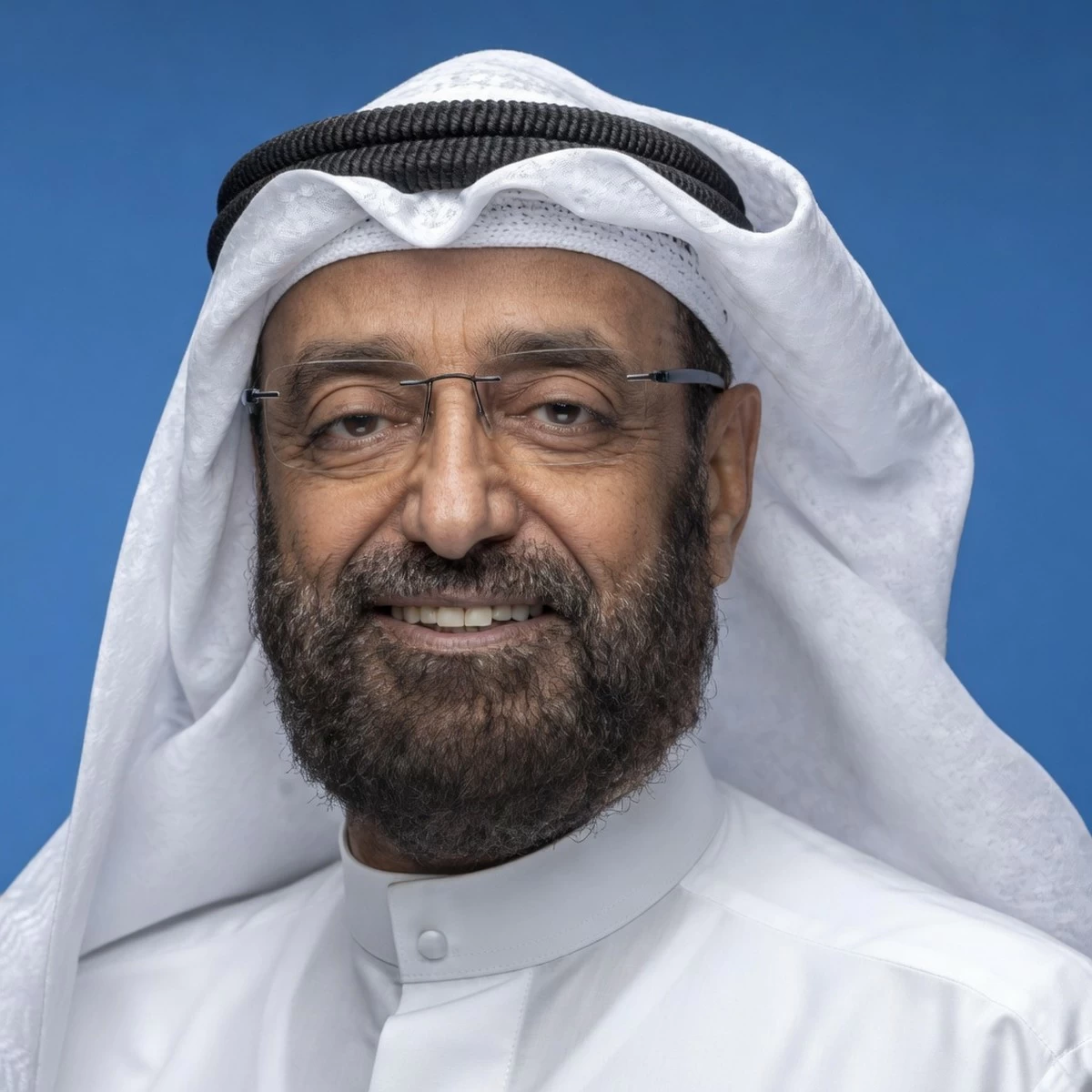
By Abdullah M. AlShehab,
General Manager of the Kuwaiti Society for Cultural Dialogue
General Manager of the Kuwaiti Society for Cultural Dialogue