


20/02/2026

Share:
20/02/2026
Share:
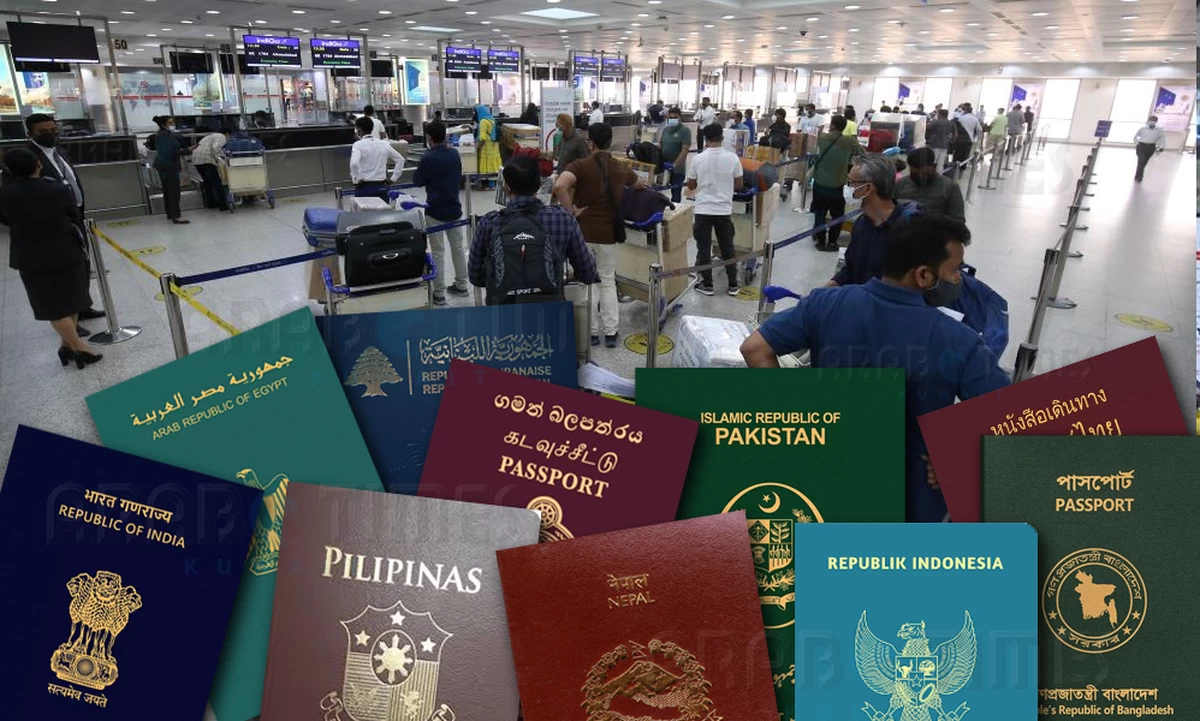

LONDON, Feb 20: International mobility remains one of the clearest measures of global inequality. In 2026, the strength of a passport continues to determine how freely citizens can travel for tourism, business, education, or family visits — with vast disparities separating nations at the top from those at the bottom.
Each year, global indices rank passports based on the number of destinations their holders can enter without securing a traditional visa in advance. The latest 2026 data once again highlights a stark divide: while citizens of some countries enjoy visa-free or simplified access to more than 180 destinations, others can travel to fewer than 40 without prior embassy approval.
For millions, that gap translates into higher costs, longer processing times, and extensive documentation requirements — often turning international travel into a complex and uncertain process.
Passport power is shaped by diplomatic relations, internal stability, security perceptions, and migration patterns. Nations facing conflict, political instability, or sanctions typically encounter tighter entry controls imposed by other countries.
As per Henley Passport Index 2026, below is a structured look at the world’s 10 weakest passports.
Rank 94: Eritrea, North Korea, Palestinian TerritoryVisa-free access: 38 destinations
Citizens of these territories face severe mobility restrictions. North Korea’s long-standing isolation and international sanctions significantly limit outbound travel. Eritrea’s political environment and regional tensions continue to constrain its diplomatic reach. Palestinians face additional barriers stemming from limited international recognition and complex border controls.
Rank 95: BangladeshVisa-free access: 37 destinations
Despite steady economic growth and a large overseas workforce, Bangladesh’s passport remains among the weakest globally. Limited reciprocal visa agreements and concerns related to visa overstays continue to affect broader access.
Rank 96: NepalVisa-free access: 35 destinations
Although Nepal has maintained relative political stability, its global mobility remains restricted due to a modest diplomatic footprint and a limited network of visa-waiver agreements.
Rank 97: SomaliaVisa-free access: 33 destinations
Decades of conflict and governance challenges continue to weigh heavily on Somalia’s international standing. Security concerns and migration risks influence how other nations assess entry permissions for Somali passport holders.
Rank 98: Pakistan and YemenVisa-free access: 31 destinations
Yemen’s ongoing conflict significantly restricts its citizens’ travel opportunities. Pakistan, while maintaining broad diplomatic ties, continues to face visa limitations shaped by regional security perceptions and migration-related considerations.
Rank 99: IraqVisa-free access: 29 destinations
Despite efforts toward reconstruction and reform, Iraq’s passport remains constrained by the legacy of conflict and ongoing security evaluations by foreign governments.
Rank 100: SyriaVisa-free access: 26 destinations
Years of civil war, sanctions, and economic collapse have pushed Syria near the bottom of global mobility rankings. Syrian travelers often encounter intensive scrutiny and strict documentation requirements abroad.
Rank 101: AfghanistanVisa-free access: 24 destinations
Afghanistan holds the weakest passport ranking in 2026. Prolonged instability, evolving governance structures, and limited diplomatic engagement have resulted in minimal visa-free access worldwide.