



21/03/2026

Share:
21/03/2026
Share:

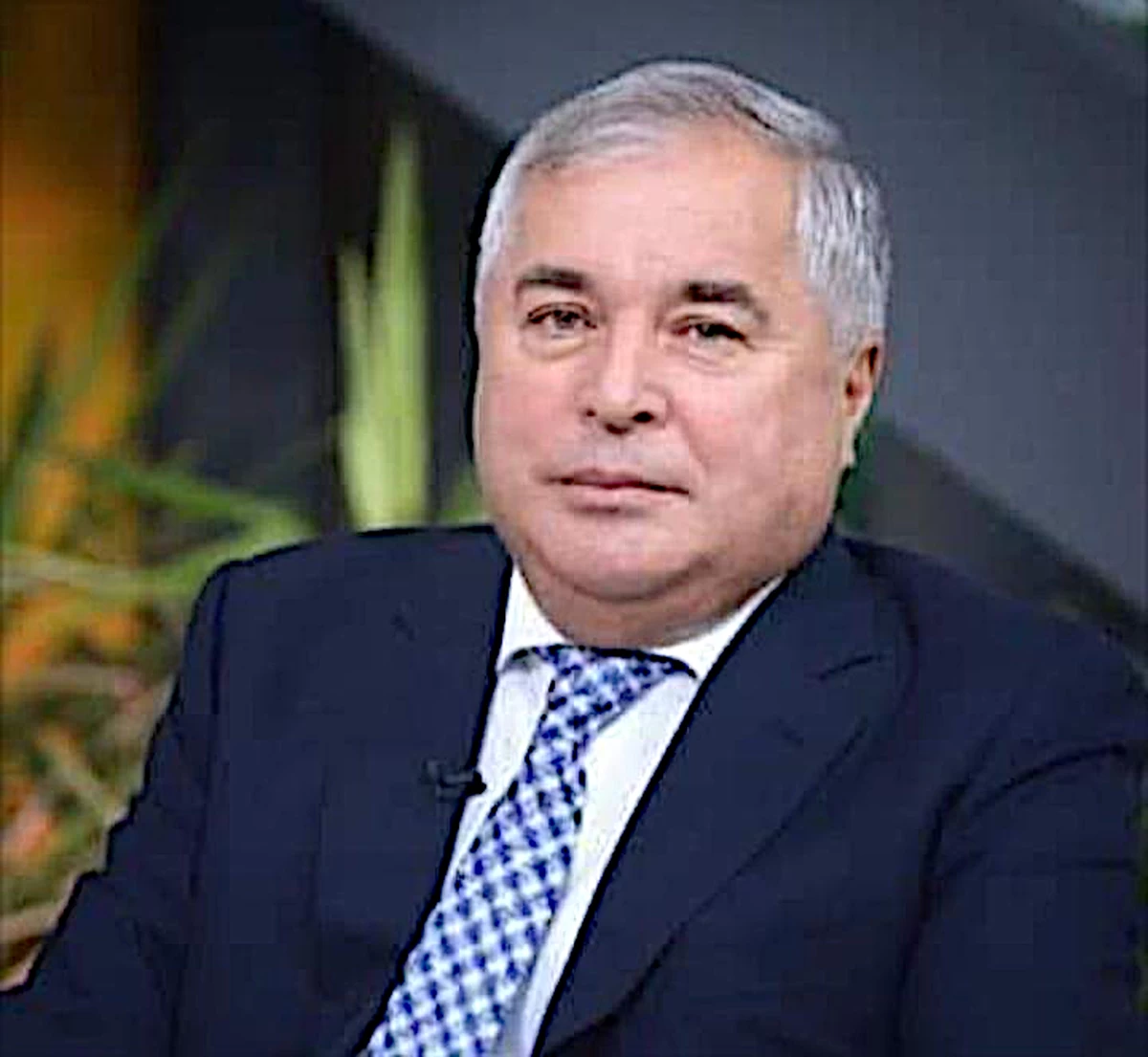
KUWAIT CITY, Mar 21: On the occasion of Nowruz, a celebration symbolizing renewal, hope, and the beginning of a new cycle of life, the Ambassador of the Republic of Tajikistan to the State of Kuwait, H.E. Zubaydzoda Zubaydullo Najot, extended heartfelt greetings to Kuwait’s leadership, government, and people, reaffirming strong bilateral ties and expressing wishes for continued security, stability, and prosperity.
"On the occasion of Nowruz, which embodies the meanings of renewal, hope, and the beginning of life, I am pleased to extend my sincerest congratulations and best wishes to the State of Kuwait, its leadership, government, and people, praying for its continued security, stability, and prosperity. I would also like to express the Republic of Tajikistan's pride in the strong relations it shares with the State of Kuwait, relations built on solid foundations of friendship, mutual respect, and constructive cooperation in various fields.
The State of Kuwait has always been a model of humanitarian and diplomatic work, cementing its position as "Kuwait of Goodness" and "Kuwait of Peace" through its generous support and noble humanitarian initiatives that contribute to alleviating the suffering of peoples and promoting the values of solidarity and mutual support. In light of the current circumstances and challenges, the Republic of Tajikistan affirms its full solidarity with the State of Kuwait and stands by its side, wishing it further progress and prosperity, and emphasizing the importance of strengthening joint cooperation in a way that serves the interests of both friendly countries.
The celebration of Nowruz, meaning "New Day," carries a profound humanitarian message of peace, tolerance, and renewal. This festival is one of the oldest in human history, dating back over three thousand years. It is linked to the beginning of spring, when day and night are of equal length, heralding the triumph of light over darkness and the start of a new cycle of life.
Nowruz's roots trace back to ancient civilizations in Central Asia, where people relied on agriculture and observed the movement of the sun and stars to determine the seasons for working in the fields. The spring equinox marked the beginning of the planting season, and over time, this natural event transformed into a rich cultural and human occasion imbued with symbolism and meaning. Scholars throughout history have explored this festival, including Abu Rayhan al-Biruni, and it is also associated in tradition with King Jamshid, to whom the establishment of Nowruz celebrations is attributed.
Nowruz has a prominent presence in Persian and Tajik literature, celebrated by great poets such as Rudaki, Daqiqi, and Ferdowsi in the Shahnameh, and Omar Khayyam in his Nowruznameh. These poets portrayed spring as a symbol of life and beauty, linking Nowruz to noble human values such as love, justice, and balance.
Nowruz embodies universal human values that transcend borders and cultures, most notably tolerance, reconciliation, kinship ties, respect for elders, and helping those in need. Before its arrival, people strive to purify their hearts and mend relationships, beginning the new year with clean souls and renewed hope.
One of the most prominent Nowruz traditions in Tajikistan is a thorough cleaning of homes, symbolically representing purification and preparation for a new beginning. Preparing semang is also a key ritual, where women gather around a large pot to cook it from sprouted wheat in an atmosphere of cooperation and joy, reflecting the value of teamwork and patience.
On this occasion, the Haft-Sin table is prepared, featuring seven items that begin with the letter "S," each symbolizing meanings such as health, blessings, sustenance, and happiness. This table embodies the people's aspirations for a year filled with goodness and prosperity.
The festive atmosphere of Nowruz is evident in the streets and squares, where cultural events, musical performances, and folk games take place, fostering a spirit of participation and unity among members of the community.
Since the independence of the Republic of Tajikistan in 1991, Nowruz has become a national holiday reflecting the country's cultural identity. The state is keen to celebrate this occasion through extensive official and public events. Nowruz has also gained international recognition, with the United Nations declaring March 21st as International Nowruz Day, and UNESCO inscribing it on its Representative List of the Intangible Cultural Heritage of Humanity.
In the capital, Dushanbe, the Nowruz Lodge is one of the most prominent landmarks hosting Nowruz celebrations, embodying the beauty of Tajik heritage and the spirit of this ancient occasion.
Nowruz celebrations are not limited to Tajikistan but extend to various countries around the world, including the State of Kuwait, where the Embassy of the Republic of Tajikistan organizes cultural events to introduce this festival and its heritage, and to strengthen cultural ties between the two friendly nations.
In conclusion, Nowruz remains a universal symbol of new life, peace, and coexistence, and a renewed message calling for joint action towards a better future characterized by love and harmony among peoples."
Dr. Zubaydzoda Zubaydullo Najot
Ambassador of the Republic of Tajikistan