


20/11/2026

Share:
20/11/2026
Share:
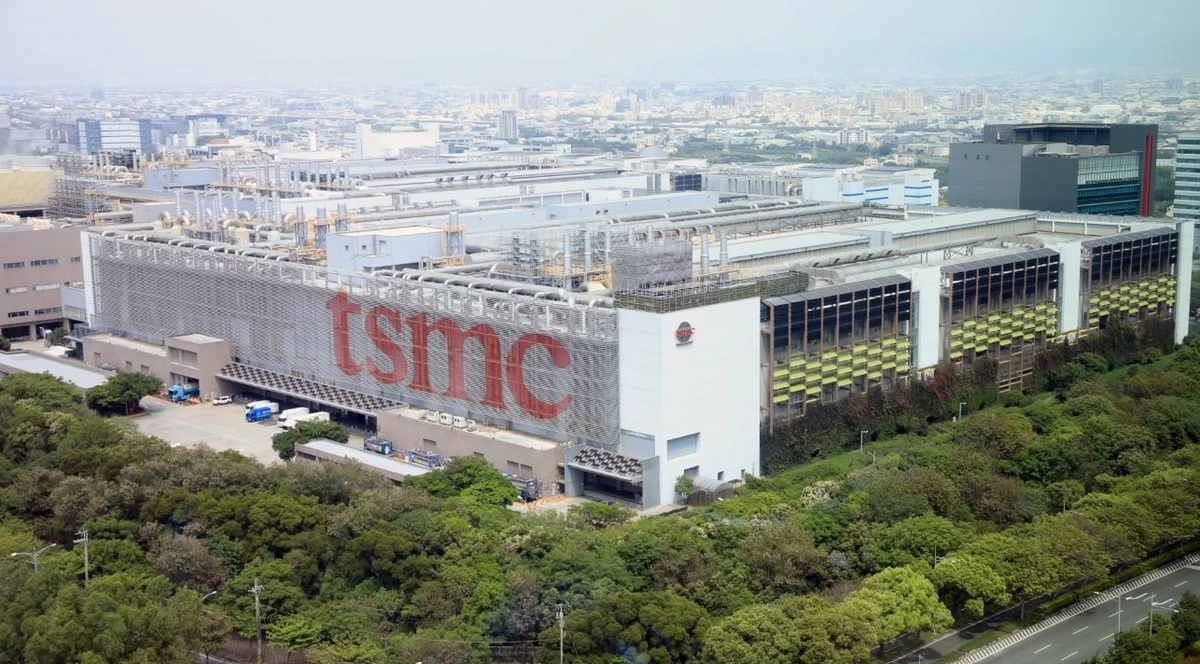

TAIPEI, Nov 20 : Taiwan Semiconductor Manufacturing Company (TSMC) has suspended some previously approved advanced semiconductor orders from Chinese chip designers following expanded US export restrictions targeting China's access to advanced chip manufacturing technologies.
According to two people familiar with the matter cited by Reuters, affected Chinese customers must now obtain US export licenses to manufacture chips using processes of 16 nanometers or smaller, unless they qualify for an applicable exemption.
Without the required licenses or exemptions, Chinese customers will generally be restricted to mature manufacturing processes such as 28nm and 40nm. They will also be unable to access high-bandwidth memory (HBM) and advanced packaging technologies covered by the restrictions.
The revised regulations issued by the US Commerce Department have expanded controls on Chinese semiconductor companies using overseas foundries to manufacture advanced chips.
Previously, TSMC could assess customers' chip designs and computing capabilities to determine whether certain orders qualified for exemptions from US export licensing requirements.
Under the revised rules, however, the company can no longer rely on its previous screening procedures to clear affected orders without an export license or applicable exemption. TSMC has consequently instructed that orders involving processes of 16nm or smaller be suspended until the necessary authorization is obtained, the sources told Reuters.
Restrictions could slow China's AI chip ambitions
The expanded controls could significantly complicate China's efforts to develop artificial intelligence processors capable of competing with products from US chipmaker Nvidia.
Most leading AI processors rely on manufacturing technologies of 7nm or more advanced, while HBM and advanced packaging are essential for improving data processing speeds and overall chip performance.
One source told Reuters that some Chinese AI chip designers had continued accessing TSMC's 7nm production services before the new restrictions took effect. However, Reuters said it could not independently verify how those chips were manufactured.
The new measures could also affect major Chinese technology companies developing their own processors as Beijing seeks to reduce its dependence on Nvidia and other foreign semiconductor suppliers.
TSMC expands customer screening
TSMC is planning to broaden its customer verification procedures to examine corporate ownership structures, major shareholders, operating locations, packaging contractors and shipping arrangements.
The screening will also cover orders placed through overseas subsidiaries and intermediaries, including companies operating in Taiwan, the United States, Europe, Japan and Southeast Asia.
The US government maintains a list of approved semiconductor designers that includes Nvidia, AMD, Apple and Taiwan-based MediaTek and Realtek Semiconductor. However, no Chinese companies are included on the list, Reuters reported.
Smartphone chip production could also face delays
The impact of the revised restrictions may extend beyond AI processors to semiconductors used in smartphones and other consumer electronics.
The Financial Times reported that the new regulations remove an exemption previously available for certain advanced chips intended for non-AI applications. This could require TSMC and South Korea's Samsung Electronics to obtain US licenses before manufacturing some of these products.
TSMC supplies smartphone processors to major Chinese brands, including Xiaomi, Oppo and Vivo.
Although US authorities are expected to approve licenses for chips used in consumer electronics, the additional application and approval procedures could delay production, an industry source told the Financial Times.
TSMC declined to comment on market reports on Friday but confirmed that it was aware of the new regulations issued by the US Commerce Department's Bureau of Industry and Security.
The company said it would comply with all applicable laws and regulations, Taiwan's Central News Agency reported.