


08/05/2026

Share:
08/05/2026
Share:

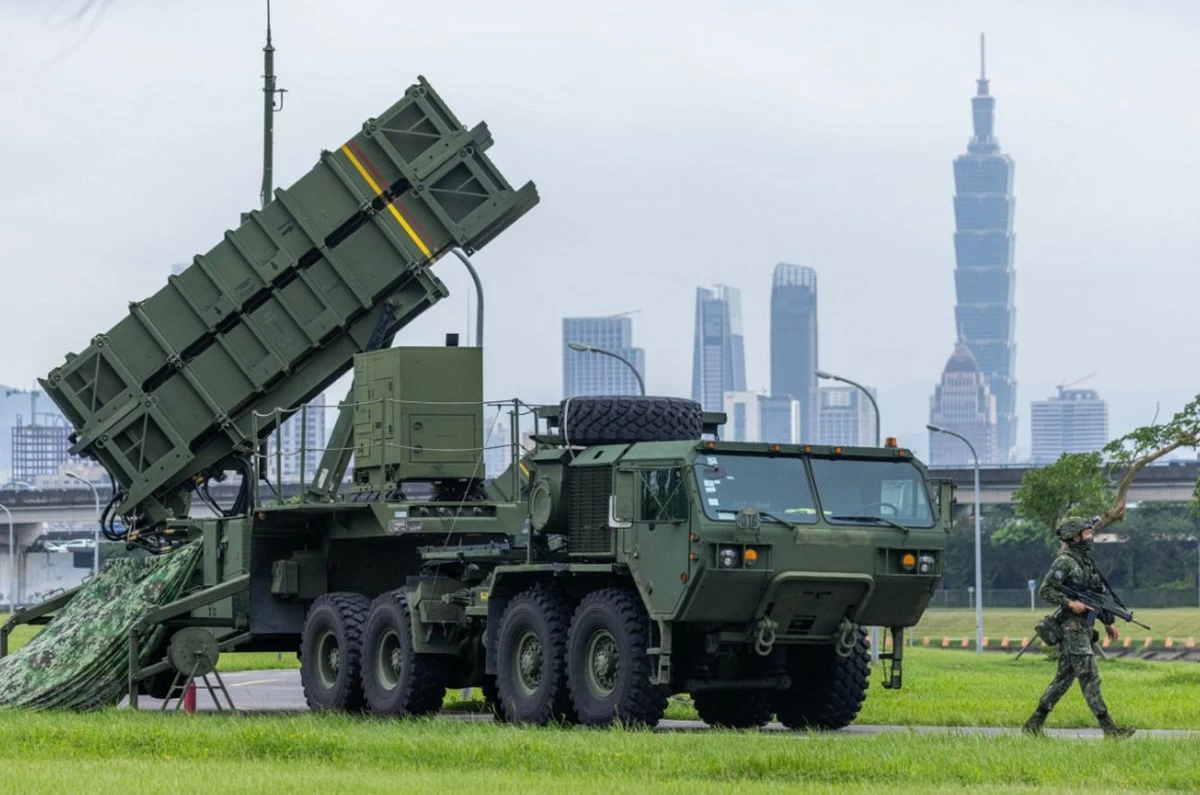
TAIPEI, May 8: Taiwan’s parliament on Friday approved a defence spending bill worth nearly $25 billion, following months of political disputes over how to strengthen the island’s military amid rising tensions with China.
The bill, passed with 59 votes in favour out of 107 lawmakers present, falls significantly short of the government’s proposed budget of around $40 billion. The result was announced by the parliamentary speaker after the final vote.
Lawmakers have been divided over the scale and scope of defence spending, particularly as China continues to assert its claim over Taiwan and has not ruled out the use of force to take control of the island.
The opposition Kuomintang (KMT) and Taiwan People’s Party (TPP), which together hold a majority in the 113-seat legislature, agreed to support a maximum allocation of NT$780 billion (approximately $25 billion), focusing primarily on the procurement of US-made weapons.
President Lai Ching-te’s administration had proposed a significantly larger package of NT$1.25 trillion, covering both US arms purchases and domestically produced systems, including drones. The proposed funding was intended to be spread over eight years and would have supplemented the regular annual defence budget.
Criticism quickly followed the revised bill. Democratic Progressive Party (DPP) lawmaker Chen Kuan-ting accused the opposition of undermining Taiwan’s defence readiness by excluding domestic weapons production.
“If Taiwan faces a blockade, limiting procurement to US arms alone could jeopardize ammunition supplies and long-term combat sustainability,” Chen said.
KMT lawmaker Hsu Chiao-hsin defended the party’s position, stating that while it supports reasonable defence spending, it opposes combining different procurement categories—such as arms sales, commercial purchases, and commissioned production—into a single budget.
Internal divisions within the KMT also surfaced during the debate, with party leadership facing criticism over its approach to defence funding and relations with China.
Despite earlier disagreements, mounting pressure from the United States—Taiwan’s key security partner—appears to have influenced lawmakers to increase the proposed budget. Taiwan has already approved multiple US arms deals, including systems such as HIMARS rocket launchers, Javelin missiles, and self-propelled artillery, valued at nearly $9 billion.
KMT lawmakers signalled support for a potential second phase of arms purchases exceeding $15 billion, which could include Patriot air defence systems, Hellfire missiles, and counter-drone technologies.
Analysts say the outcome represents a compromise. While the approved funding is lower than the government’s target, it demonstrates continued commitment to defence cooperation with the United States without significantly escalating tensions with Beijing.
The vote comes just days before US President Donald Trump is expected to visit China for talks with President Xi Jinping, who has repeatedly warned Washington against expanding arms sales to Taiwan.