

09/11/2026

Share:
09/11/2026
Share:

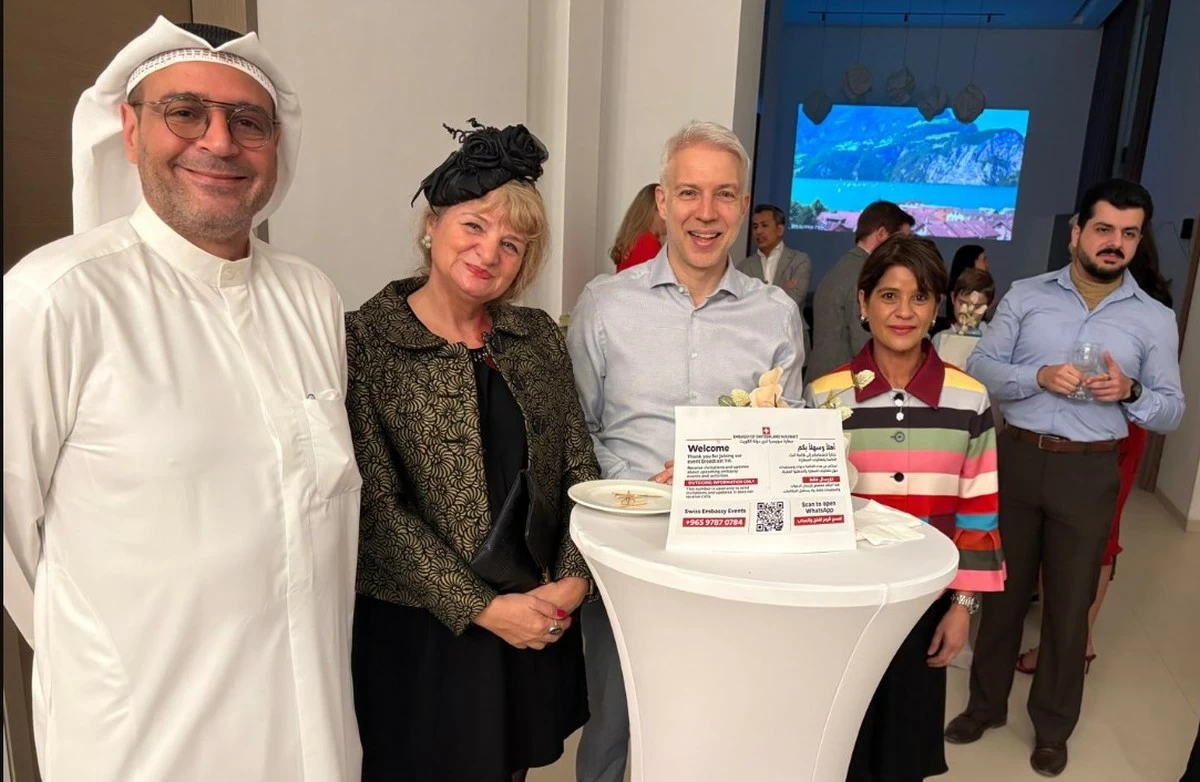
KUWAIT CITY, Nov 9 : Swiss Ambassador to Kuwait Tiziano Balmelli has called for greater efforts to protect cultural and linguistic diversity, warning against growing trends towards cultural uniformity and urging people to remain proud of their languages and heritage.
“Cultural and linguistic diversity is part of the richness and beauty of humanity,” Balmelli said, stressing that every language and culture deserves recognition and protection.
The ambassador was speaking on the sidelines of a screening of the Swiss film “Tambour Battant” at his residence as part of Francophonie Month activities in Kuwait.
Balmelli said Switzerland was proud to belong to the wider Francophone family and was keen to work with other member countries of the International Organisation of La Francophonie to strengthen opportunities for people in Kuwait to communicate in French and learn about different cultures.
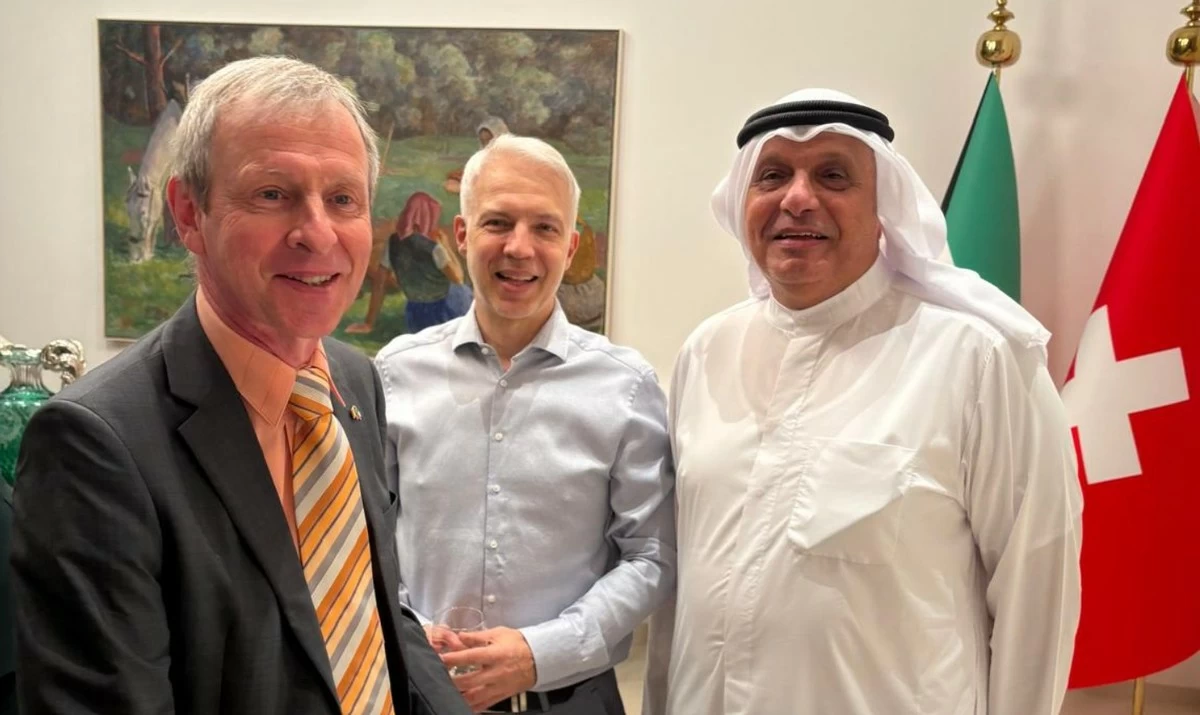
“French is very important to Switzerland,” Balmelli said. “It has a strong historical tradition in our society and is one of our national and official languages.”
He said it was therefore natural for the Swiss Embassy in Kuwait to cooperate with Francophone partners to promote the language and organise activities that bring together French speakers and those interested in Francophone culture.
Balmelli said he was particularly impressed by the strong presence of the French language in Kuwait.
“There are hundreds of qualified teachers and thousands of Kuwaitis and residents who speak French,” he said, describing this as a positive and distinctive feature of Kuwait's cultural landscape.
The embassy, he added, plans to continue organising French-language and cultural activities in the coming months.
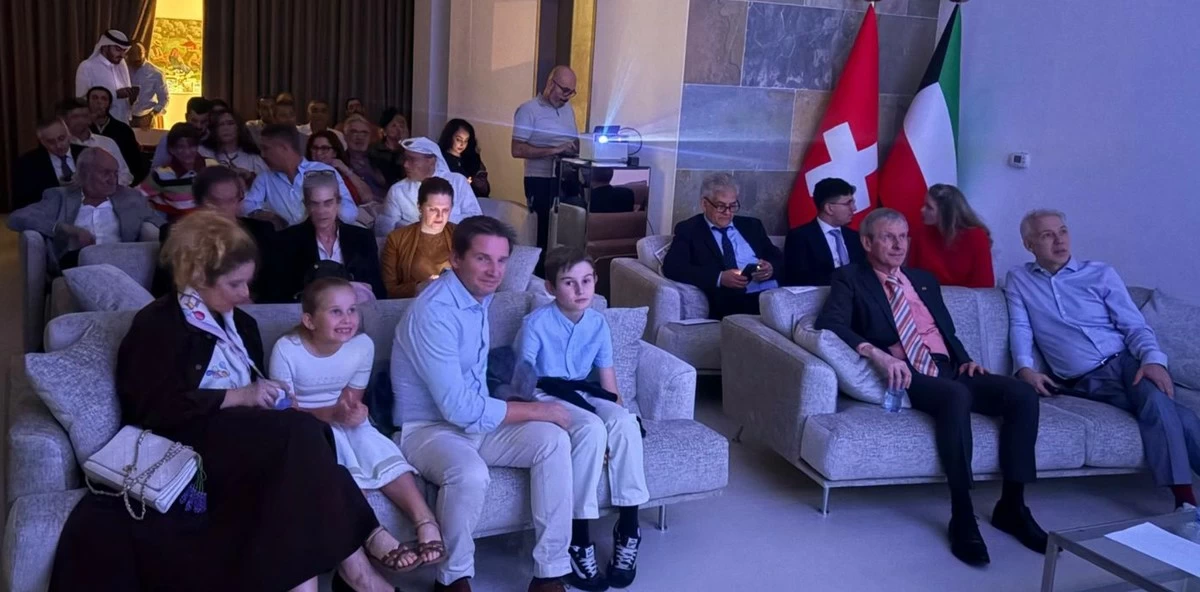
The screening featured “Tambour Battant,” a relatively recent Swiss film set in the 1970s and centred on rivalry between residents of two villages in the Swiss mountains.
Balmelli said the comedy reflects experiences that audiences can recognise anywhere in the world.
“Every society has stories of love, rivalry and disagreements between neighbours,” he said. “Despite differences in culture and environment, these are shared human experiences.”
The film was selected to offer the audience an enjoyable and light-hearted evening while also providing a glimpse into Swiss culture.
“At a time when the world is witnessing rapid geopolitical developments and enormous pressures, we hope people can simply enjoy a comedy and spend an entertaining evening together,” he said.
Protecting local identityBalmelli said the preservation of diversity had become increasingly important as the world moved towards the greater use and influence of a single dominant language.
“We must preserve our languages and cultures and be proud of them,” he said.
He specifically highlighted the importance of the Arabic language and Kuwaiti culture, saying local identities should be protected and passed on to future generations.
“I hope this message will also encourage people in Kuwait to take pride in the Arabic language, Kuwaiti culture and their local heritage,” he said.
While humanity forms one global family, people speak different languages and belong to diverse cultures, he added.
“This diversity is what makes our human society and our planet beautiful. It is something we must preserve for future generations.”
A complementary diplomatic roleOn the role of embassies in promoting cultural dialogue, Balmelli said diplomats and official institutions should complement—not replace—the work of society.
He said citizens, civil society organisations, private institutions and other community groups were the real driving force behind cultural and social activities.
“Embassies are part of a wider ecosystem,” he said. “We contribute alongside many different partners, each of whom has an important role.”
Hosting cultural events at diplomatic residences helps provide a space where people can meet, exchange experiences and discover other cultures, he added.
For Balmelli, the message remains simple: the world may be one human family, but its many languages and cultures are among its greatest treasures—and everyone should be proud of them