


29/04/2026

Share:
29/04/2026
Share:

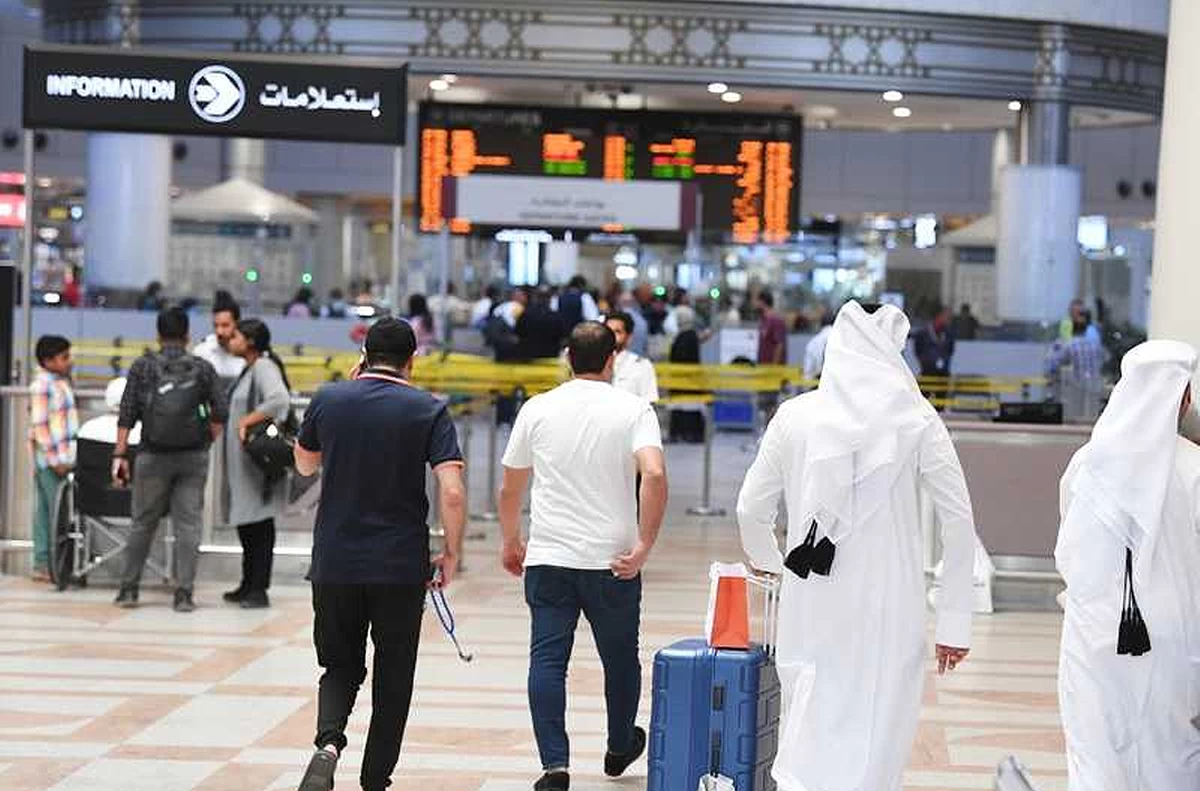
LONDON, Apr 29: European airlines are facing renewed pressure as the Iran conflict drives up jet fuel prices, disrupts key flight routes, and raises concerns over potential fuel supply constraints ahead of the peak summer holiday season.
Jet fuel prices have surged nearly 84% since the start of the conflict on February 28, according to Reuters, adding significant cost pressure on airlines already operating on thin margins. While many carriers initially absorbed the shock through fuel hedging strategies, industry players warn that those financial protections are beginning to expire as the war continues.
International Air Transport Association (IATA) Director General Willie Walsh said there is a growing risk of fuel supply tightening in parts of Asia and Europe, though he stressed that global supply conditions remain stable for now. He noted that the current crisis is still far less severe than the COVID-19 pandemic, which brought global air travel to a near standstill.
“The demand environment is strong, so this is fundamentally a cost issue rather than a demand collapse like COVID,” Walsh said, highlighting that passenger travel remains resilient despite rising operational expenses.
The aviation sector is being affected by wider geopolitical disruptions linked to the war, particularly tensions around the Strait of Hormuz — a critical route for global oil and gas shipments. Uncertainty over maritime security and stalled diplomatic efforts have kept energy markets volatile, contributing to sustained fuel price pressure.
Several European carriers have already reported weakening forward bookings and rising costs. Budget airline EasyJet and tour operator TUI have issued profit warnings, while major carriers including Air France-KLM, IAG, and Lufthansa are expected to report quarterly results in the coming days, after adjusting fares and reducing capacity in response to higher fuel costs.
Air traffic data shows the impact is more severe in the Middle East. According to Cirium Ascend data cited by Reuters, flights operated by regional airlines fell by around 50% year-on-year in March, while bookings for the second and third quarters dropped by more than 40% through major Gulf hubs.
However, the impact across the industry remains uneven. Some low-cost carriers, including Wizz Air, have reported stable summer demand, while Ryanair dismissed concerns over fuel supply disruptions. Finnair also noted increased demand for Asian routes amid shifting travel patterns.
Despite the turbulence, global airline capacity remains slightly higher than last year, underscoring a mixed recovery shaped by strong travel demand on one side and escalating geopolitical cost pressures on the other.