



06/08/2026

Share:
06/08/2026
Share:
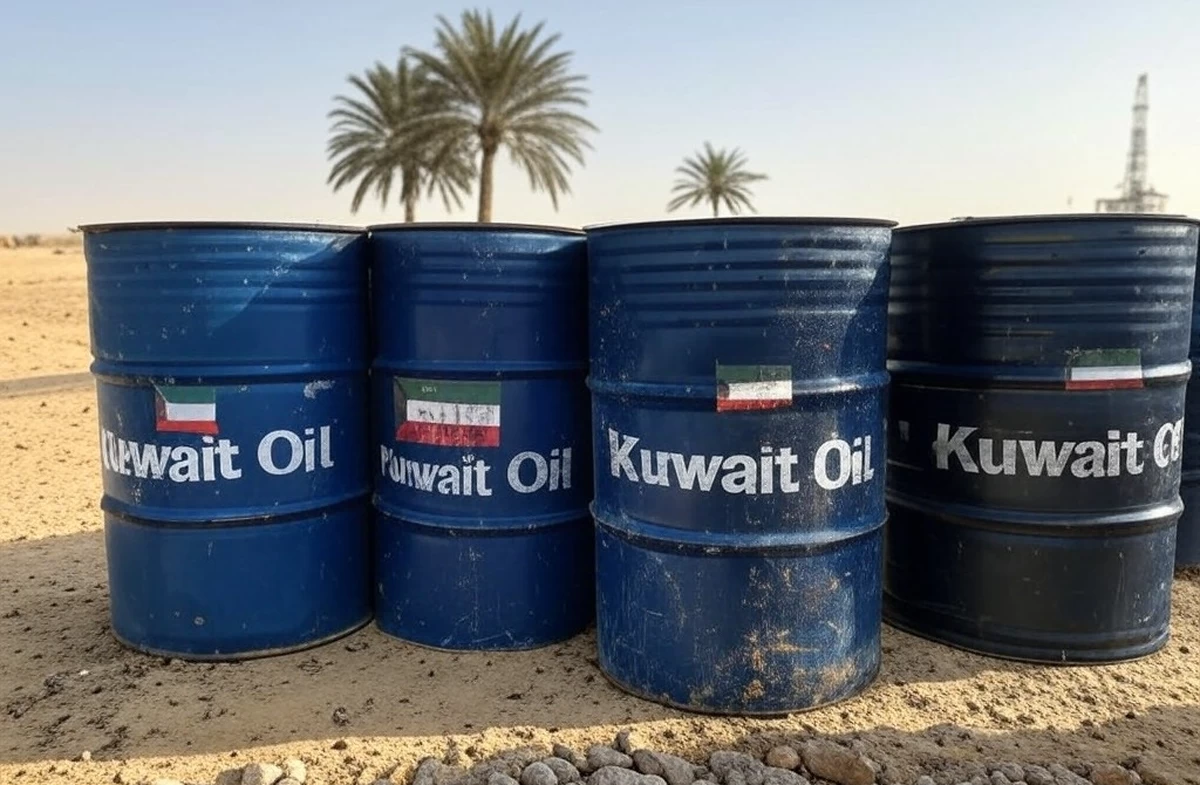

He said the exports remain zero as long as the Strait of Hormuz is closed. He confirmed that the oil exports of Kuwait totally stopped due to the de facto closure of the Strait of Hormuz by Iran, while it will take at least a year to rebuild some of the oil storage tanks that were damaged due to the Iranian attacks. He described Japan as one of the important clients of Kuwait in the crude oil and refined products sector, while affirming the ongoing discussions to bolster the reserves in friendly nations. Separately, Saudi Arabia’s Ministry of Defense announced Thursday the appointment of Rear Admiral Abdullah Al-Shehri as commander of the Multinational Maritime Defense Alliance, as part of efforts to complete the alliance’s institutional structure and enhance operational readiness.
The ministry said in a statement that the appointment follows the alliance’s establishment announcement on July 30, 2026 and aims to strengthen its ability to support maritime security, protect freedom of navigation, secure waterways and straits, and safeguard international trade and global supply chains. It added that the alliance commander will oversee joint maritime defense operations, coordinate planning among member states and other naval alliances, and supervise joint activities in accordance with the alliance’s charter and procedures. The ministry noted that procedures for additional countries to join the alliance are ongoing, with further states expected to complete signing the joint statement and join as founding members. It said the alliance remains open to all countries aligned with its objectives and principles, with further meetings scheduled in August to finalize institutional requirements and advance cooperation in maritime security.
On Thursday, all eyes were on the U.S. for the next development. At least two ships were hit in the Strait of Hormuz in the past week, while several others reported near misses or warnings from entities claiming to represent Iran’s Revolutionary Guard, according to maritime data company Lloyd’s List Intelligence. The company added that Yemen’s Iran-backed Houthi rebels continued to claim attacks on ships in the Red Sea. The claims could not be independently verified. Vessel traffic through the Strait of Hormuz increased to 84 transits during the week of July 27 to Aug. 2, up from 45 the previous week. But traffic is still far below the more than 700 transits seen in a typical week before the crisis, Lloyd’s List said.