


06/06/2026

Share:
06/06/2026
Share:
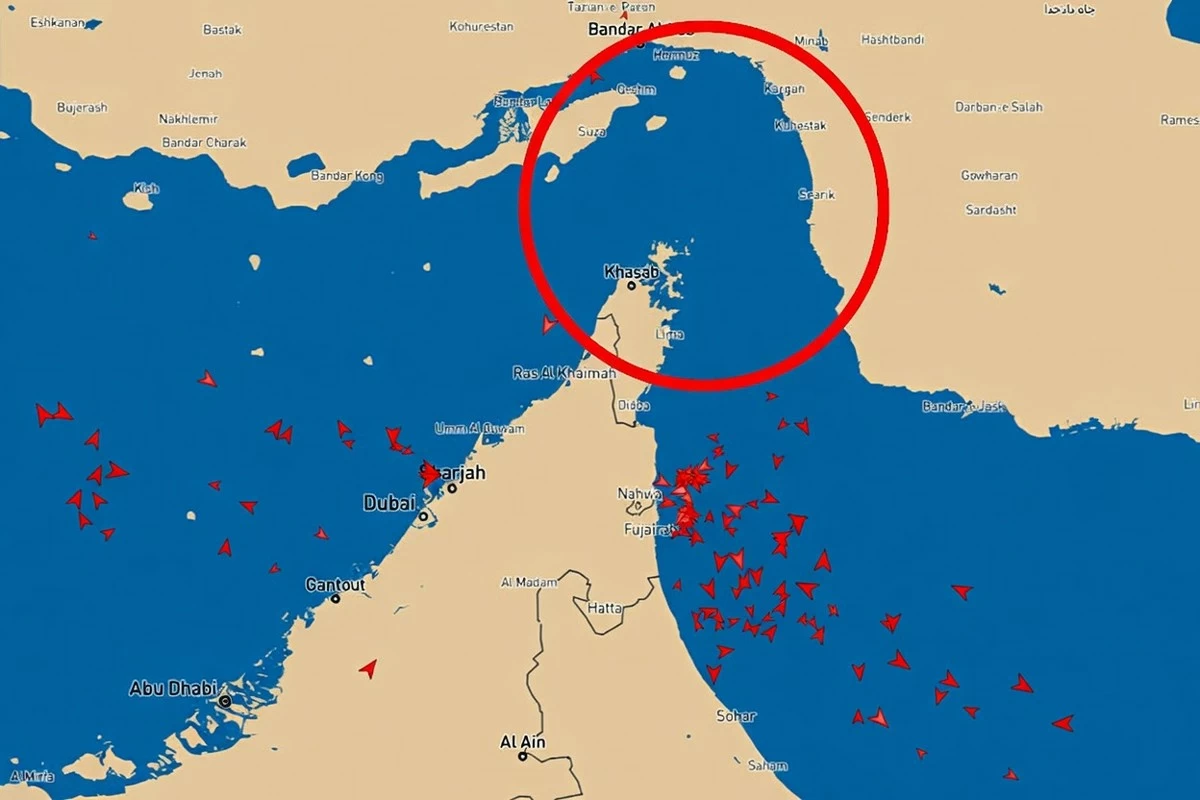


The currency is subject to severe devaluation, along with mass layoffs and hyperinflation. With the decision to close the Strait of Hormuz and allow only certain flagged vessels to pass, Iran is now facing the same consequences itself, even without exporting a single drop of oil.
What benefit was gained from terrorizing and blackmailing by blocking global trade through the Arabian Gulf? As a result, oil prices surged and reached historic levels, while Iran did not gain a single US dollar in revenue from its own proceeds. Meanwhile, some Gulf countries benefited significantly, such as Saudi Arabia through exports from the Red Sea, and the UAE through the Gulf of Oman.
Iran, however, gained nothing. Yes, most Arabian Gulf countries did not export oil during this period, and here we are in the fourth month. However, their accumulated wealth was immediately utilized, with no significant harm or reduction to annual budgets or expenditures. The Arabian Gulf countries have demonstrated their financial strength without needing to make major adjustments to approved budgets. Now, oil prices are declining without any sign of an imminent reopening of the Gulf. There has been no major impact or shock sufficient to drive prices higher.
This has disappointed speculators who were betting on oil reaching $120 or more, with some even expecting $150 per barrel. Across markets from the United States and Europe to the Arabian Gulf, oil prices are now trading below $100 per barrel. In the meantime, oil markets are still waiting for the reopening of the Strait of Hormuz for prices to reflect their true value in open markets.
Demand is expected to pick up. Meanwhile, oil-consuming countries will be buying at two stages - first, to meet their daily business needs, and second, to build up commercial and strategic reserves. Some may also seek to increase their future stockpiles. The current situation surrounding the closure of the Strait of Hormuz may provide a new perspective, encouraging countries, if necessary, to expand their strategic reserve storage capacity.