


12/08/2026

Share:
12/08/2026
Share:
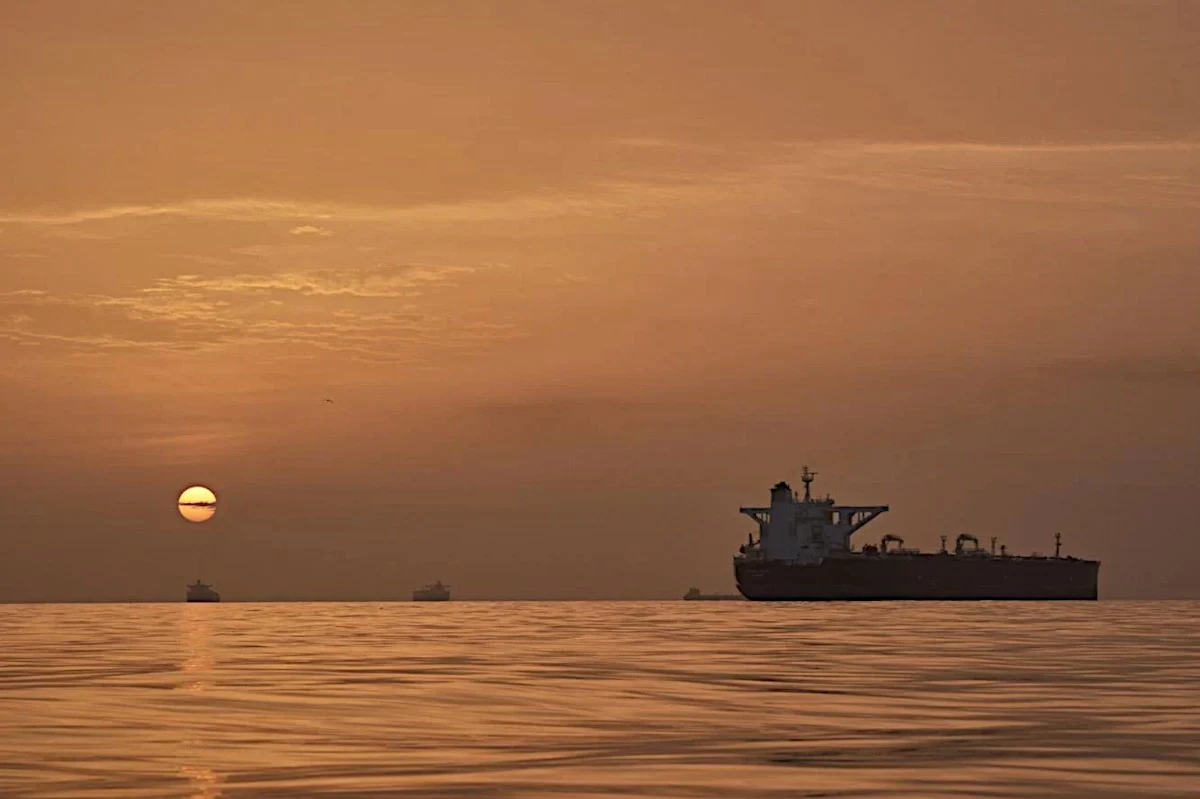

TEHRAN, ABU DHABI, Aug 12: Shipping traffic through the Strait of Hormuz fell to its lowest level in a week on Tuesday as shipowners continued to avoid the strategic waterway amid escalating regional hostilities, according to Reuters, citing shipping data.
Kpler data showed eight vessels transited the strait on Tuesday, below the 10-day average of around 12 and the lowest daily figure recorded since August 5. Seven vessels entered the waterway, all using the route along Iran’s coast, while only one vessel — a coal carrier — was recorded exiting the strait.
Separate data from LSEG showed 11 vessel transits on Tuesday, down from 14 a day earlier, highlighting the continued disruption to one of the world’s most important energy shipping routes.
Meanwhile, Iran has indicated that the Strait of Hormuz will remain closed until it considers the ongoing war to have credibly ended.
Mehdi Mohammadi, a senior adviser to Iran’s parliament speaker, said Wednesday that Iran would not reopen the waterway until there was a credible end to the conflict. He described the current situation as “the calm before the storm” and said Iran would determine the timing and scope of the fighting.
Mohammadi also said the strait was completely closed and that shipping through the waterway had been halted.
The Strait of Hormuz is a critical global energy corridor through which a significant share of the world’s oil and liquefied natural gas shipments normally pass. Any prolonged disruption could increase shipping costs, extend voyage times and place further pressure on global energy markets.
Separately, Iranian lawmaker Ahmad Ajam, a member of parliament’s National Security and Foreign Policy Committee, said a US naval blockade would ultimately fail and that American forces would eventually be forced to leave the region.
Ajam argued that maintaining such a blockade would ultimately be more costly for the United States than for Iran, as tensions continue to threaten maritime traffic and regional security.