


16/06/2026

Share:
16/06/2026
Share:
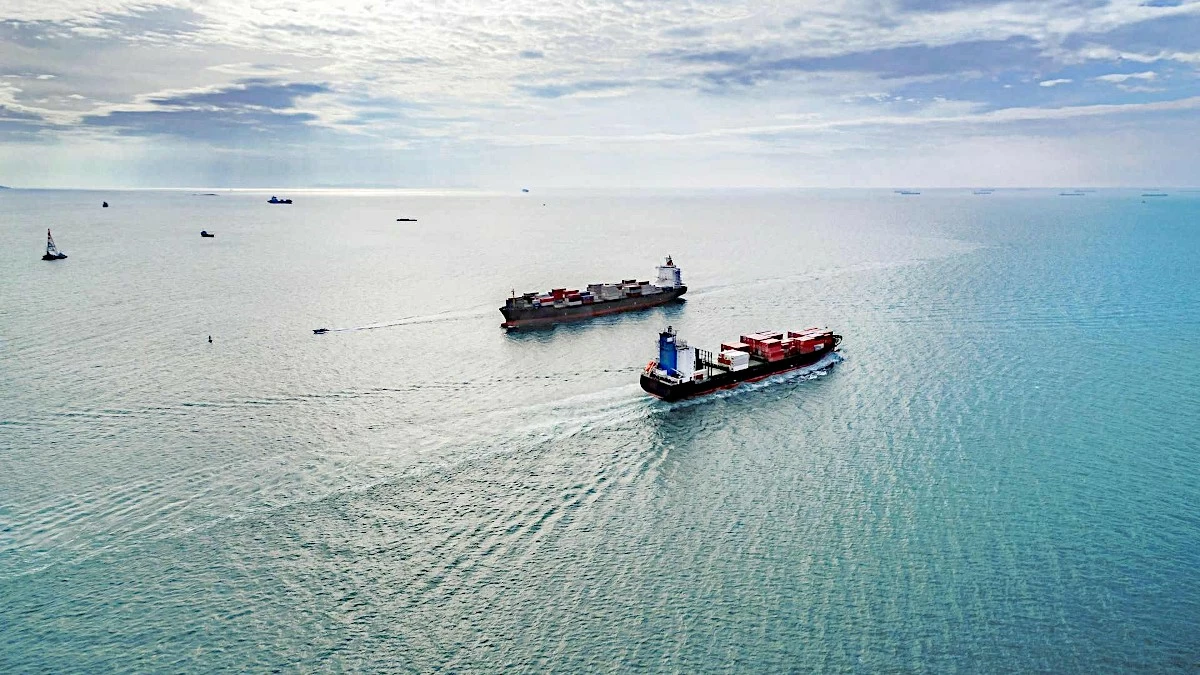

LONDON, Jun 15: Shipping through the Strait of Hormuz is expected to remain severely disrupted for weeks, despite a newly announced US-Iran memorandum of understanding aimed at easing tensions in the region, according to industry officials and maritime tracking reports.
Shipowners are reportedly unwilling to immediately resume full transit through the strategic waterway until they are confident that the agreement translates into stable and verifiable conditions on the ground and at sea.
Jotaro Tamura, chief executive of Mitsui O.S.K. Lines (MOL), one of the world’s largest tanker operators, said shipping companies would adopt a cautious approach before restarting normal operations.
“What will have to come in place is not just a simple agreement between the relevant countries, but it has to be material and translated into the real situations in the Strait of Hormuz, so that shipping lines can make themselves comfortable to go through,” Tamura said.
The Strait of Hormuz, through which nearly one-fifth of global oil trade flows, has been a focal point of regional tensions. Even minor disruptions in the passage have historically had immediate effects on global energy markets and shipping insurance costs.
According to a report by NBC News, citing vessel-tracking data, no oil tankers transited the strait on Monday evening, despite the US-Iran agreement being announced the previous day. The report added that only four tankers had successfully passed through since the deal was announced, while the majority of vessels remained anchored outside the chokepoint awaiting further clarity.
The continued hesitation underscores the gap between diplomatic announcements and operational realities at sea. While governments may signal de-escalation, shipping companies rely on sustained stability, insurance reassurances, and risk assessments before resuming full-scale operations.
Industry analysts say that even under a formal agreement, commercial shipping routes often take time to normalize due to insurance recalibration, naval risk monitoring, and internal corporate safety protocols.
The situation reflects lingering uncertainty in one of the world’s most sensitive maritime corridors, where geopolitical developments can quickly translate into disruptions in global energy supply chains.
For now, shipping operators appear to be in a wait-and-see mode, with full normalization of traffic through the Strait of Hormuz unlikely in the immediate term despite diplomatic progress.