



09/04/2026

Share:
09/04/2026
Share:
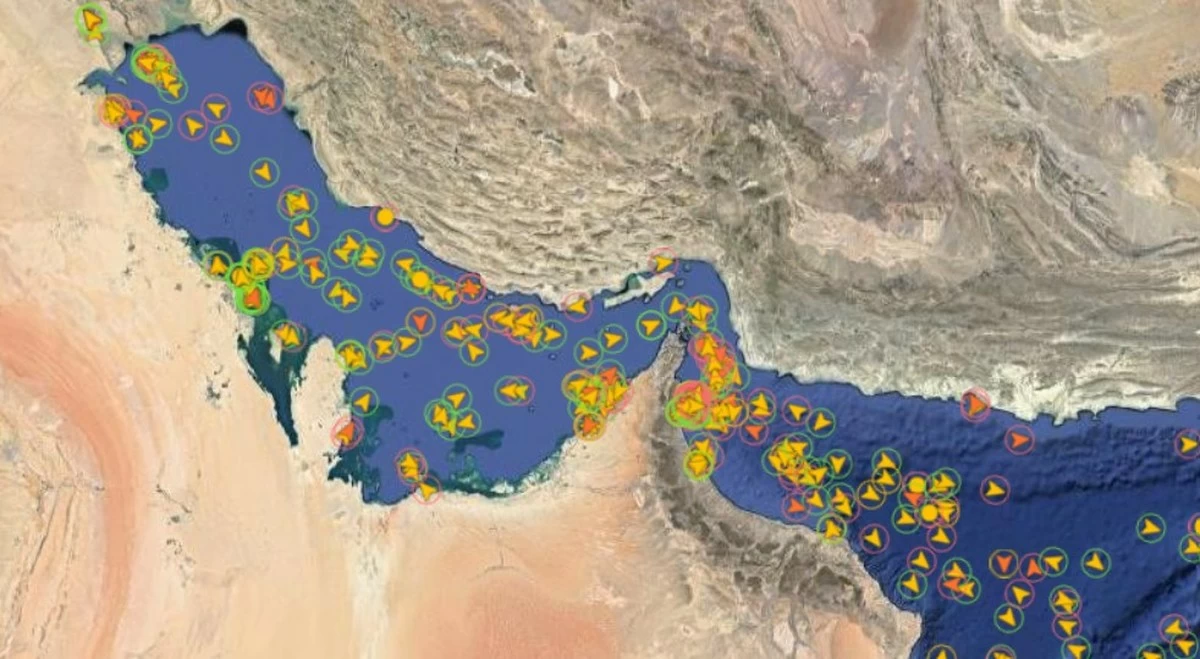

DUBAI, Apr 9: The Strait of Hormuz remained largely shut to commercial shipping on Wednesday, the first day of a declared ceasefire between the United States and Iran, according to ship-tracking data and industry reports.
Data from maritime analytics firm Kpler showed that only four vessels with active Automatic Identification System (AIS) trackers passed through the strategic waterway during the day. The figure suggests a near standstill in traffic through one of the world’s most critical energy chokepoints.
However, analysts cautioned that the figure does not account for so-called “dark fleet” vessels—ships that deliberately switch off tracking systems. These vessels are widely believed to transport sanctioned Iranian crude oil to international markets, outside standard monitoring systems.
Separately, The New York Times reported that the Strait of Hormuz remained effectively closed for tankers nearly 24 hours after the ceasefire announcement, with no oil or liquefied gas carriers observed transiting the waterway.
Citing additional data from Kpler, the report noted that only a small number of bulk cargo ships managed to cross, while tanker traffic was completely halted amid heightened uncertainty.
Industry sources attributed the disruption to safety concerns, including fears over possible sea mines and unclear maritime security conditions in the region. Iranian authorities have reportedly instructed vessels to coordinate movements with military forces and follow designated shipping routes, further complicating passage.
Shipping companies and insurers are also said to be exercising caution, contributing to the slowdown as risk assessments remain elevated despite the ceasefire announcement.
The Strait of Hormuz, a narrow passage linking the Persian Gulf to the Arabian Sea, is a vital route for global oil and gas shipments, making any disruption there a major concern for international energy markets.