


23/05/2026

Share:
23/05/2026
Share:
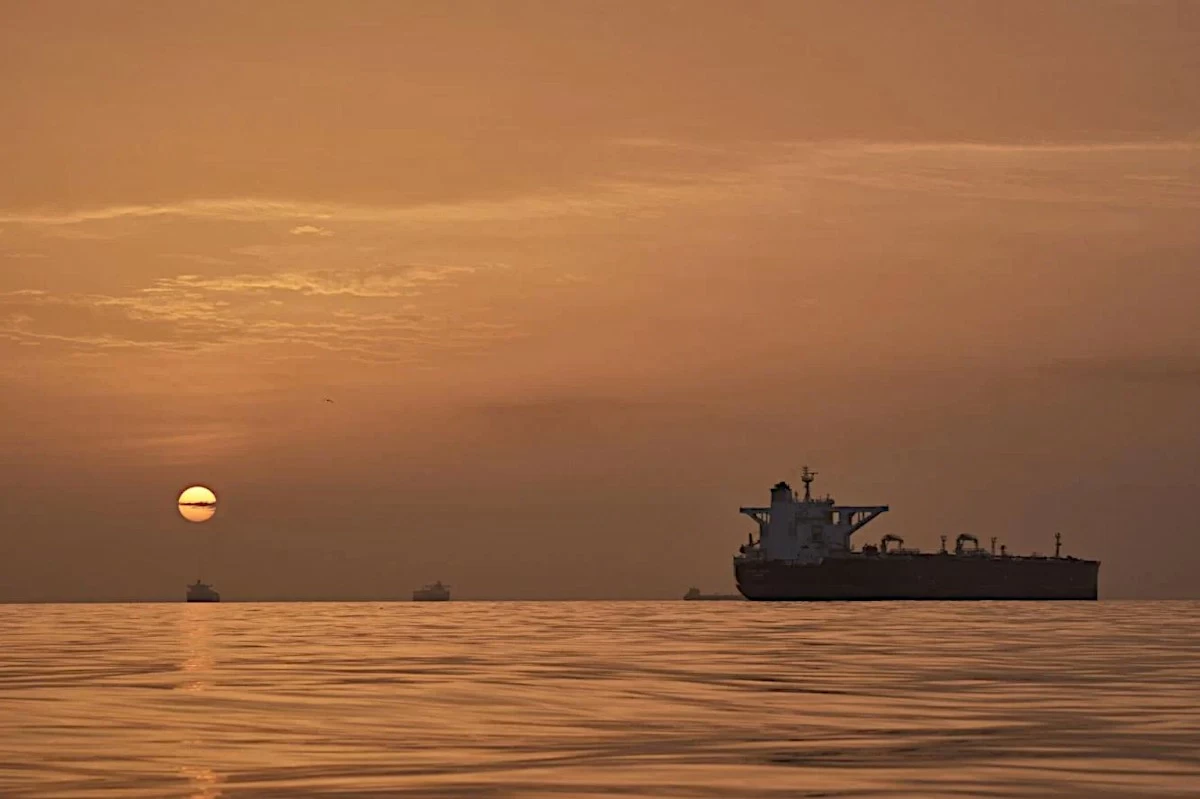

As long as the threat of possible war exists between the USA and Iran, oil prices will remain captive and captured by the possible outcome of war. Despite the ongoing negotiations, the prices will always be subject to the outcome of any agreements between the two countries. Brent oil price is still hovering around $102 a barrel, while Urals Russian crude oil is still the highest price globally at $118 a barrel. It is freely traded with the USA approving India to buy crude oil from Russia, foregoing the USA restriction on countries buying Russian oil.

The absence of large volumes of Arabian Gulf oil raises the question of how much longer the world can live with the absence of Arabian Gulf supply. With gasoline season beginning to emerge, and all kinds of vehicles hitting the highways throughout Europe and the USA, demand is increasing. Certainly, some countries will be faced with shortages, either in jet fuel or gasoline, the so-called transport fuels. With no signs yet of any compromise or agreement reached between the USA and Iran, the absence of Gulf oil of more than 2 million barrels per day continues to weigh on the market. The world has never faced such an absence of oil from one region at such a volume. It is comparable to USA crude oil production combined with Russia, or to total US consumption per day. It is a large volume of oil, equivalent to one day of OPEC production.
Still, panic is not yet visible at gas stations globally. This is due to the availability of strategic reserves, which are being used gradually, but this certainly leads to chaos and panic. On the other hand, any release or agreement reached to open the Strait of Hormuz would bring some level of comfort. However, oil prices are likely to remain strong until global strategic reserves return to previous levels that are comfortable for oil consumers worldwide, with sufficient oil held in strategic tank farms and spare crude stored in tanks, ready and on standby to be used again in case of emergencies. With uncertainty surrounding oil markets, it is difficult to predict what will happen next.
The world has gone through many experiences that have made it more prepared for future emergencies. Did the world expect that the Arabian Gulf could ever be closed for three months, with no oil coming out of the Gulf and a loss of 22 million barrels of oil per day? It is perhaps still too early to predict what will happen next with oil and its future prices.
By Kamel Al-Harami
Independent Oil Analyst
email: [email protected]