


08/01/2026

Share:
08/01/2026
Share:
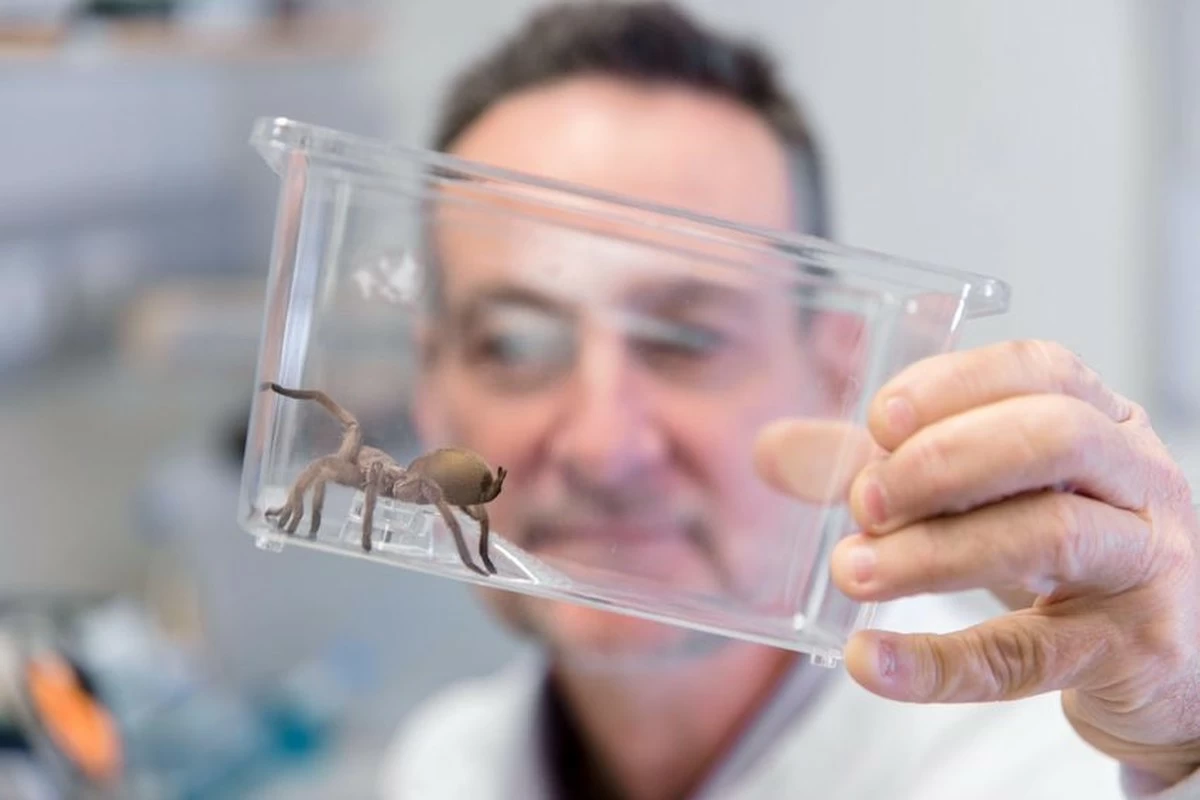

SYDNEY, Jan 8 : A potentially life-saving treatment for heart attacks and strokes, derived from the venom of one of the world’s deadliest spiders, has entered human trials, researchers in Australia said Thursday. The current phase 1 clinical study will assess the safety, tolerability and dosage of IB409, a novel drug developed from a molecule found in Australian funnel-web spider venom by biotechnology company Infensa Bioscience, said a statement of Australia’s University of Queensland (UQ).
Professor Glenn King from UQ’s Institute for Molecular Bioscience said his team had published “exceptionally promising” preclinical results with Hi1a, a protein derived from the venom of a funnel-web spider on the state of Queensland’s Fraser Island. “We believe that Hi1a could reduce damage to the heart and brain during heart attacks and strokes by preventing cell death caused by lack of oxygen,” King said, adding that his team had established that Hi1a effectively protects the heart, with a subsequent study subjecting it to preclinical tests mimicking real-life treatment scenarios.
The Infensa team has transformed Hi1a into IB409, a miniaturized peptide suitable for drug development, according to the UQ statement. “If the Phase 1 and subsequent clinical trials of IB409 show that it can safely and effectively treat heart attacks, we could improve the lives of millions of people living with heart disease around the world,” said Infensa CEO and UQ researcher Professor Mark Smythe. Smythe noted that no existing drugs prevent the damage caused by heart attack and stroke. (Xinhua)