



02/06/2026

Share:
02/06/2026
Share:
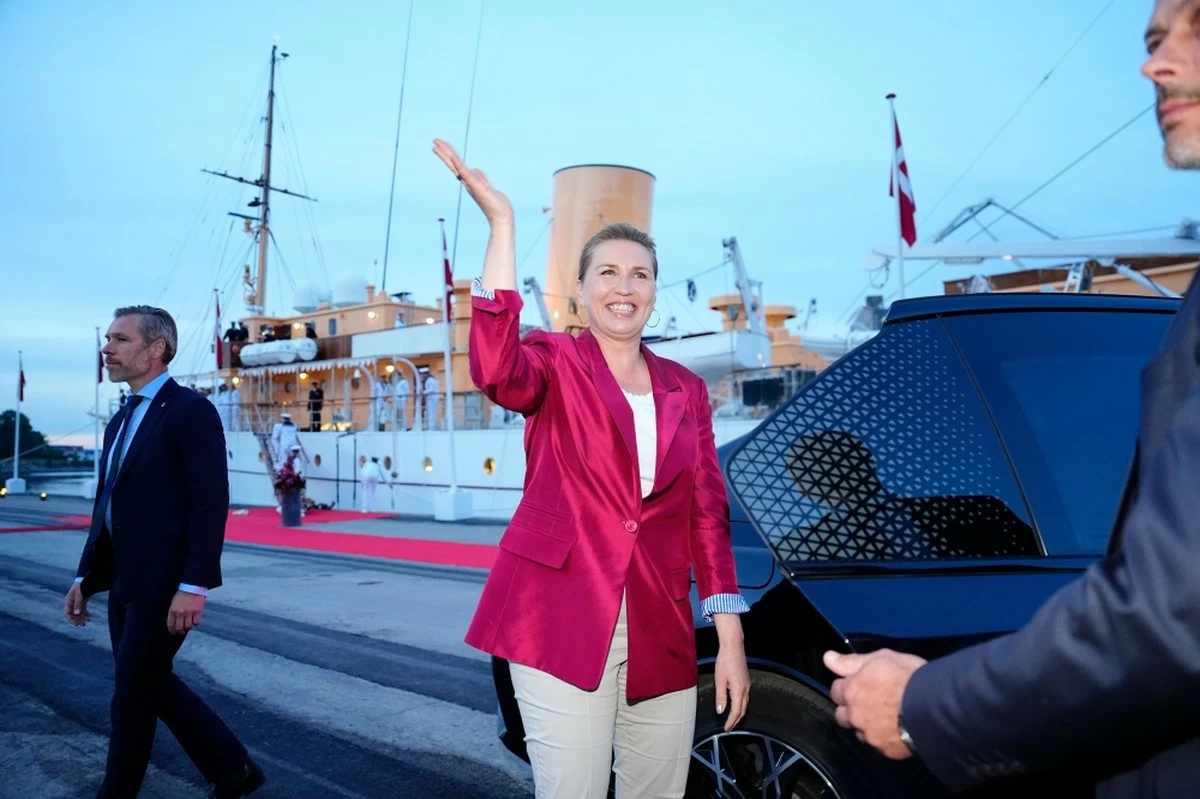

COPENHAGEN, Denmark, June 2, (AP): Social Democrat Mette Frederiksen is set to begin a third term as Denmark’s prime minister, leading a center‑left coalition of four parties after two months of negotiations. Besides Frederiksen's own party, the new government will include the centrist Moderate party of outgoing Foreign Minister Lars Løkke Rasmussen, the Green Left (SF) and the Danish Social Liberal Party, the Danish Royal House said in a statement Monday.
It will be a government working for "the people of Denmark, for the generations to come and for the animals,” Frederiksen said Monday night. Frederiksen had called an early election in February, apparently hoping her party would receive a boost from her straight-talking image in the standoff with US President Donald Trump over the future of the kingdom’s semiautonomous territory of Greenland.
Neither left-leaning nor right-leaning blocs won a majority in Parliament after the March vote. Denmark’s system of proportional representation typically produces coalition governments that are traditionally made up of several parties from either left or right. Frederiksen's ruling coalition was created after two failed attempts to form a government, one by Frederiksen and another by former Defense Minister Troels Lund Poulsen, who had sought to form a center-right government.
The new government's priorities will be presented Tuesday with the names of new ministers announced Wednesday. The 48-year-old prime minister has led the European Union and NATO member country since mid-2019. This time around, her party won 38 seats in the 179-seat single-chamber parliament, which was 12 less than in the 2022 elections.
Frederiksen is known for strong support of Ukraine in its defense against Russia’s invasion and for a restrictive approach to migration. Seeking to counter pressure from the political right and pointing to a possible surge in migration because of the Iran war, Frederiksen announced proposals this year that include a potential "emergency brake” on asylum and tighter controls on criminals who lack legal residence.
Her government already had unveiled a plan to allow the deportation of foreigners who have been sentenced to at least one year in prison for serious crimes. In her second term, her support waned as the cost of living rose. But she enjoyed a bump in popularity as the government navigated the crisis over Trump’s designs on Greenland, which culminated in January in a short-lived threat to impose tariffs on European nations that opposed his call for US control of the vast Arctic island.
Greenland, which took up much of the government’s energy in recent months, wasn’t a significant issue in the campaign because there is broad agreement on its place in the kingdom. Frederiksen warned in January that a U.S. takeover of Greenland would amount to the end of NATO. But the crisis has simmered down.