


02/03/2026

Share:
02/03/2026
Share:

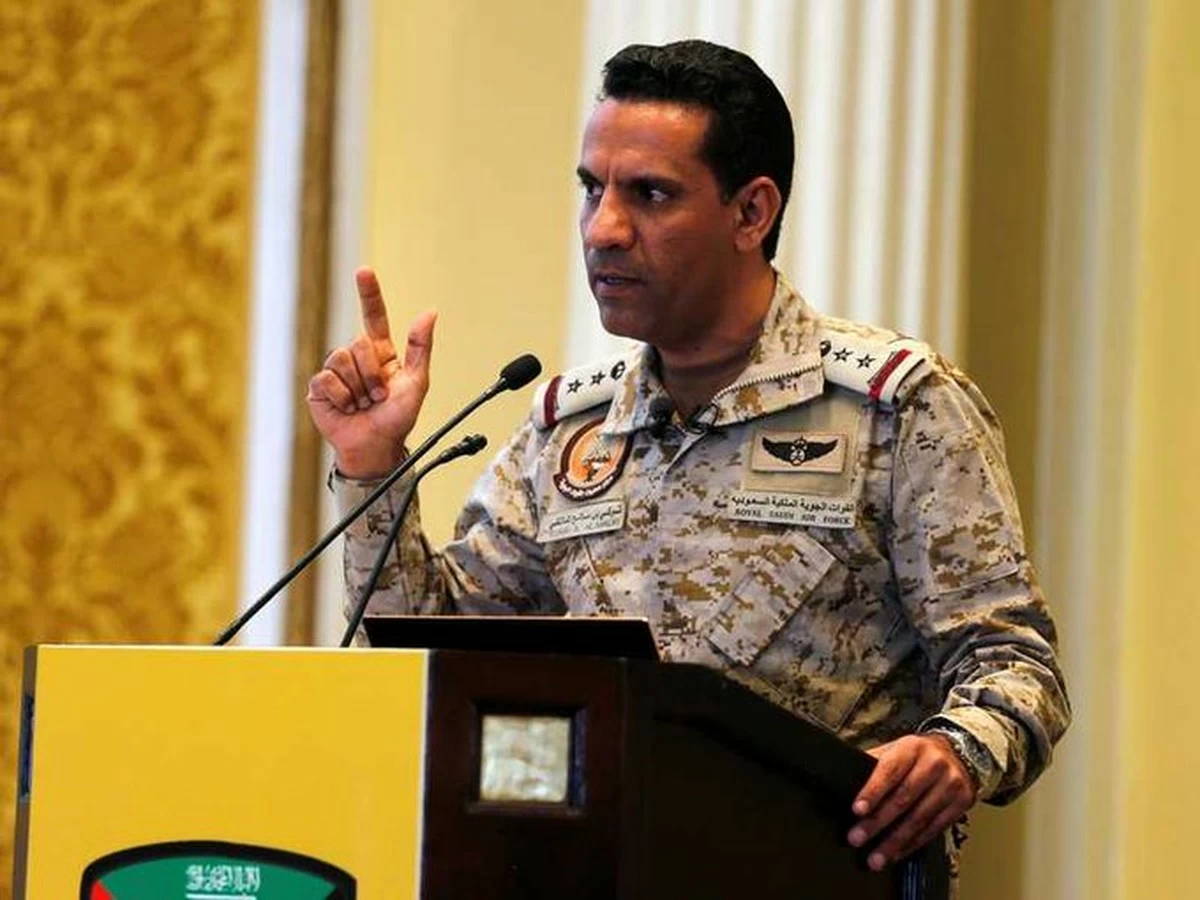
RIYADH, Mar 2: The Saudi Press Agency (SPA) reported that the official spokesman for the Saudi Ministry of Defense, Major General Turki Al-Maliki, announced that two drones attempting to attack the Ras Tanura refinery were intercepted and destroyed on Monday morning. Al-Maliki stated that debris from the intercepted drones fell near civilian areas and in the vicinity of civilians. He added that a small fire broke out as a result of the falling debris, but confirmed that there were no civilian casualties.
Saudi Arabia’s Ras Tanura oil refinery came under attack Monday from drones, the kingdom’s Defense Ministry said, with authorities downing the incoming aircraft. A Saudi military spokesperson announced the state-run Saudi Press Agency. Online videos from the site appeared to show thick black smoke rising after the attack. Even successfully intercepted drones cause debris that can spark fires and injure those on the ground. Ras Tanura, near Dammam, has a capacity of over half a million barrels of crude oil a day.
Meanwhile, Saudi Aramco temporarily shut down its Ras Tanura oil refinery near Dammam on Monday after it was targeted by Iranian drones. Saudi state television reported the decision, citing what it described as an “official source.” It added there were no casualties from the fire and its decision was a precautionary one. The refinery has a capacity over half a million barrels of crude oil a day.
Iran’s decision to target the Saudi refinery further expands the war gripping the Middle East, directly targeting the lifeblood of the kingdom’s economy. Already, Iran has been threatening ships in the Strait of Hormuz, the narrow mouth of the Persian Gulf through which a fifth of all oil trade passes. Several ships have been attacked as well there. “The attack on Saudi Arabia’s Ras Tanura refinery marks a significant escalation, with Gulf energy infrastructure now squarely in Iran’s sights,” said Torbjorn Soltvedt, an analyst at the risk intelligence company Verisk Maplecroft. “An extended period of uncertainty lies ahead as Iran seeks to impose a heavy economic cost by putting tankers, regional energy infrastructure, trade routes and U.S. security partners in the crosshairs,” he said.