



12/05/2026

Share:
12/05/2026
Share:
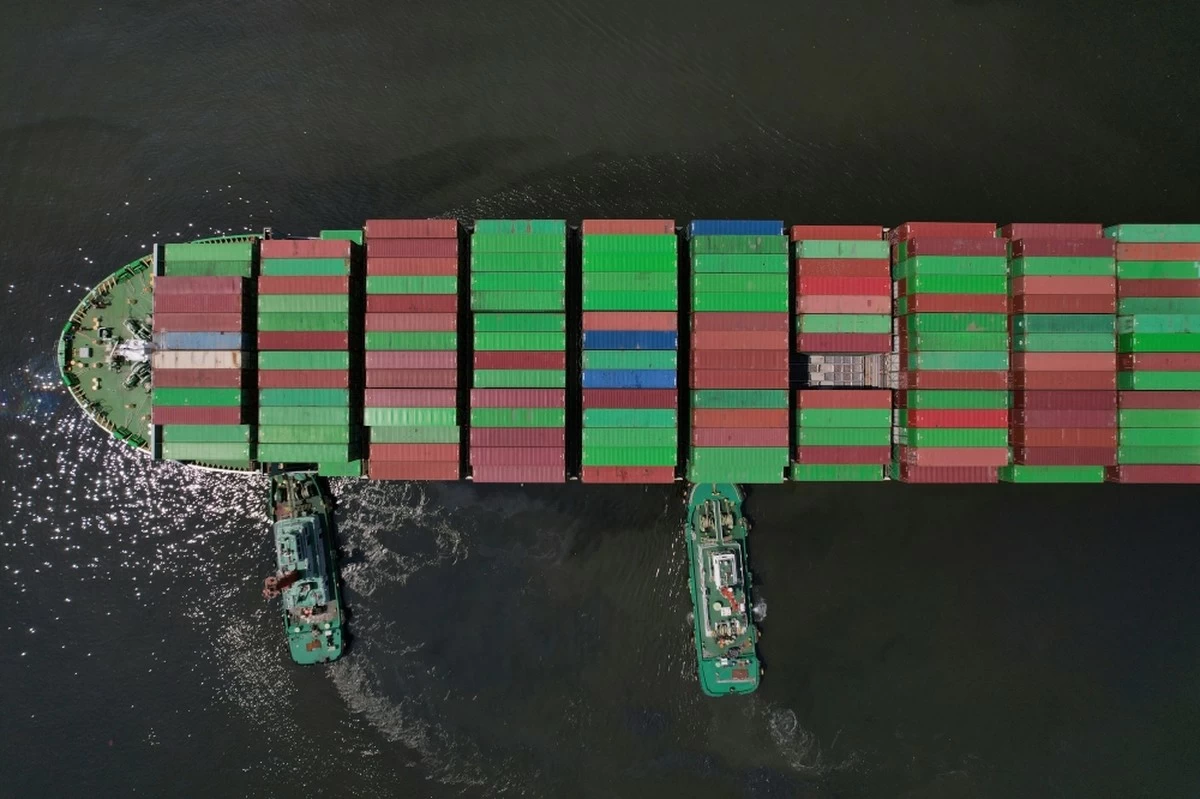

BANGKOK, May 12, (AP): Ship operators rely on a sludgelike substance known as bunker fuel to keep vessels running. The Iran war 's closure of the Strait of Hormuz has choked off the supply of this fuel that powers the global maritime industry and its largest refueling hub in Asia. Bunker fuel is a literal bottom of the barrel product - heavier and dirtier than the more expensive kinds of refined crude oil used by other vehicles like cars and airplanes - it sinks to the bottom of storage containers.
But it helps move the 80% of globally traded goods that are transported by sea, and experts say that means a shortage of bunker fuel will translate to higher shipping costs, increase consumer prices and hurt the bottom lines of businesses worldwide. That will be an issue first in Asia, which relies heavily on Middle Eastern oil.
In Singapore, the world’s biggest refueling hub for bunker fuel, reserves are dwindling and prices are spiking. Shipping companies are trying to adapt to the energy shock, reducing vessel speeds and revising schedules to cut costs in the short term while making plans to acquire ships that can run on alternative fuels.
But some companies won’t survive this triage for long, according to Henning Gloystein of the Eurasia Group consultancy firm, who warned that the pain will spread beyond Asia through global supply chains. Asia, which was hit first and hardest by the energy shock, has adopted various forms of "energy triage " to cope, increasing its use of coal, buying more crude oil from Russia and reviving plans to develop nuclear power.
But Asia is bracing for further impacts as energy reserves dwindle and government subsidies dry up. More than half of global seaborne trade moved through Asian ports in 2024, according to United Nations data, so what happens there will have global consequences. For now, Singapore's supplies of bunker fuel have held up even as the price races up.
But the prolonged cutoff from major sources of the heavier crude oil needed for bunker fuel, like Iraq and Kuwait, will cause shortages, said Natalia Katona of the commodity site OilPrice. "We just see the price in Singapore going up, up, up,” Katona said. Before the war, bunker fuel in Singapore cost about $500 per metric ton ($450 per U.S. ton). That went up to more than $800 ($725 per US ton) as of early May.