



24/05/2026

Share:
24/05/2026
Share:
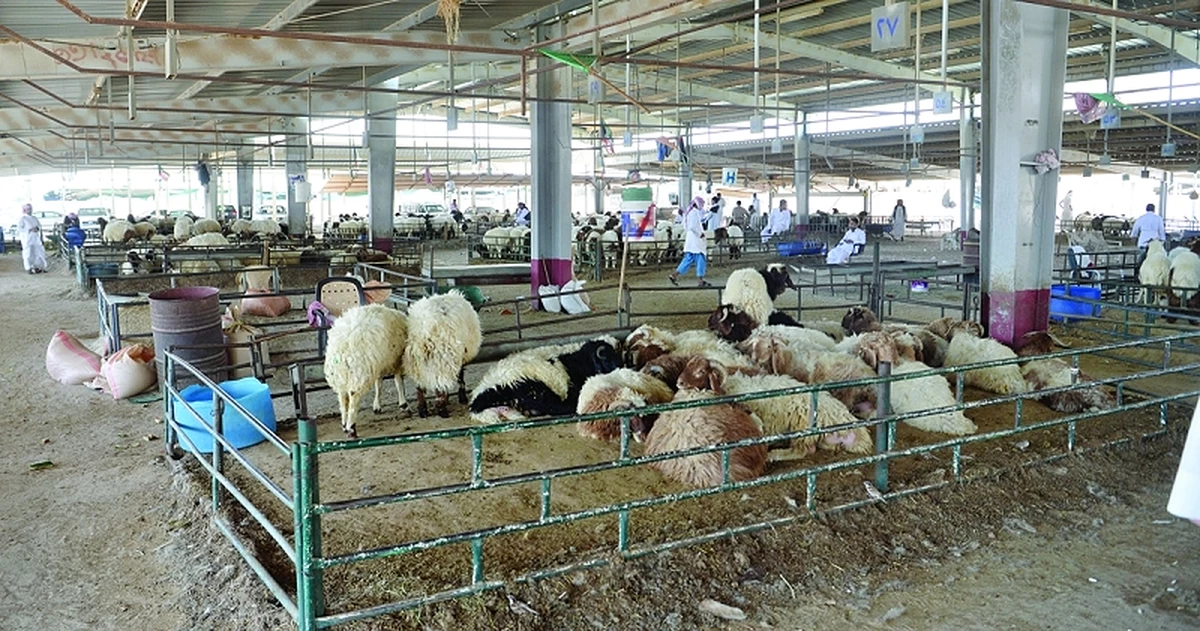

KUWAIT CITY, May 24: Director of the Slaughterhouses Department in the Control and Inspection Sector at the Public Authority for Food and Nutrition (PAFN) Mohammad Al- Salem confirmed that the authorized slaughterhouses are ready to receive sacrificial animals during Eid Al-Adha.
In a statement to the newspaper, Al-Salem revealed that he expects 15-20 percent increase in the number of animals this year -- around 40,000 heads, compared to 32,000 last year. He affirmed that the central slaughterhouses and supporting facilities have completed their operational and regulatory preparations for slaughtering sacrificial animals throughout the Eid Al-Adha period. He added that this is part of a comprehensive plan aimed at easing procedures for citizens and residents, ensuring smooth operations, and maintaining the highest food safety and health standards.
He disclosed that the total number of animals slaughtered in the first five months of 2026 reached 500,000 heads of various types of livestock, indicating high consumption rates and local demand for meat. He said the total number of animals slaughtered in 2025 exceeded 1.06 million heads. He pointed out that the peak of slaughtering operations is usually observed on the first day of Eid Al-Adha, adding that he expects the number of sacrificial animals to range from 13,000 to 15,000 in all slaughterhouses throughout the country. He stated that the field and veterinary teams laid down organizational plans to manage the expected influx and ensure the immediate completion of transactions without compromising the health regulations.
He also disclosed that the local market witnessed the influx of imported live sheep in recent days, primarily from Saudi Arabia, African countries and Georgia to meet the increased demand before Eid Al-Adha. He said the prices of imported sheep range from KD60 to KD125 depending on the size and breed, while the prices of local sheep range from KD170 to KD200.
Regarding supervisory and medical personnel, he revealed that PAFN assigned 39 veterinarians and inspectors to work during the Eid holiday, an average of nine veterinarians and inspectors in each slaughterhouse. He explained that this step aims to intensify veterinary oversight and ensure the safety of the animals before and after slaughtering them, in addition to monitoring compliance with health regulations in the slaughterhouses. He indicated that the four governorates -- Capital, Jahra, Farwaniya and Ahmadi -- issued 80 to 120 health cards to butchers in preparation for Eid Al-Adha in order to regulate the work and ensure that the workers meet the health standards. He commended the efforts exerted by PAFN in supervising the central slaughterhouses in the Capital, Jahra, Farwaniya and Ahmadi governorates, as well as the temporary slaughterhouse in Sabah Al-Salem City. He then underscored the need for consumers to go to authorized slaughterhouses only and avoid random or unregulated slaughterhouses due to the health and environmental risks.
He affirmed the continuation of intensive inspection tours to ensure the application of health standards and the safety of slaughtering and handling operations. He pointed out that the veterinary teams conduct thorough examination of animals before and after slaughtering them to uncover diseases or injuries that may affect public health. He said PAFN is keen on providing a safe and healthy slaughtering environment and guaranteeing the availability of meat, while abiding by the highest control and quality standards.
By Marwa Al-Bahrawi Al-Seyassah/Arab Times Staff