


26/03/2026

Share:
26/03/2026
Share:

BANGKOK, Thailand, March 26, (AP): Nuclear power is getting a second look in Southeast Asia as countries prepare to meet surging energy demand as they vie for artificial intelligence-focused data centers. Several Southeast Asian nations are reviving mothballed nuclear plans and setting ambitious targets and nearly half of the region could, if they pursue those goals, have nuclear energy in the 2030s. Even countries without current plans have signaled their interest.
Southeast Asia has never produced a single watt of nuclear energy, despite long-held atomic ambitions. But that may soon change as pressure mounts to reduce emissions that contribute to climate change, while meeting growing power needs. The Iran war is underscoring the vulnerability of Asia’s energy supplies, raising the sense of urgency about finding alternatives to oil and gas in Southeast Asia, analysts say.
The surge in crude oil prices caused by the escalating conflict has raised the motivation for countries to speed up their nuclear efforts, said Alvie Asuncion-Astronomo of the Philippine Nuclear Research Institute. Vietnam and Russia advanced a nuclear power deal this week as the region's energy security concerns worsened.
In South Asia, Bangladesh is racing to power up its new nuclear power plant, also backed by Russia, to address the country's energy shortfalls. Southeast Asia will account for a quarter of growth in global energy demand by 2035, according to the International Energy Agency, or IEA. That partly is because of the more than 2,000 data centers in Indonesia, Malaysia, Singapore, Thailand, Vietnam and the Philippines, according to the think tank Ember.
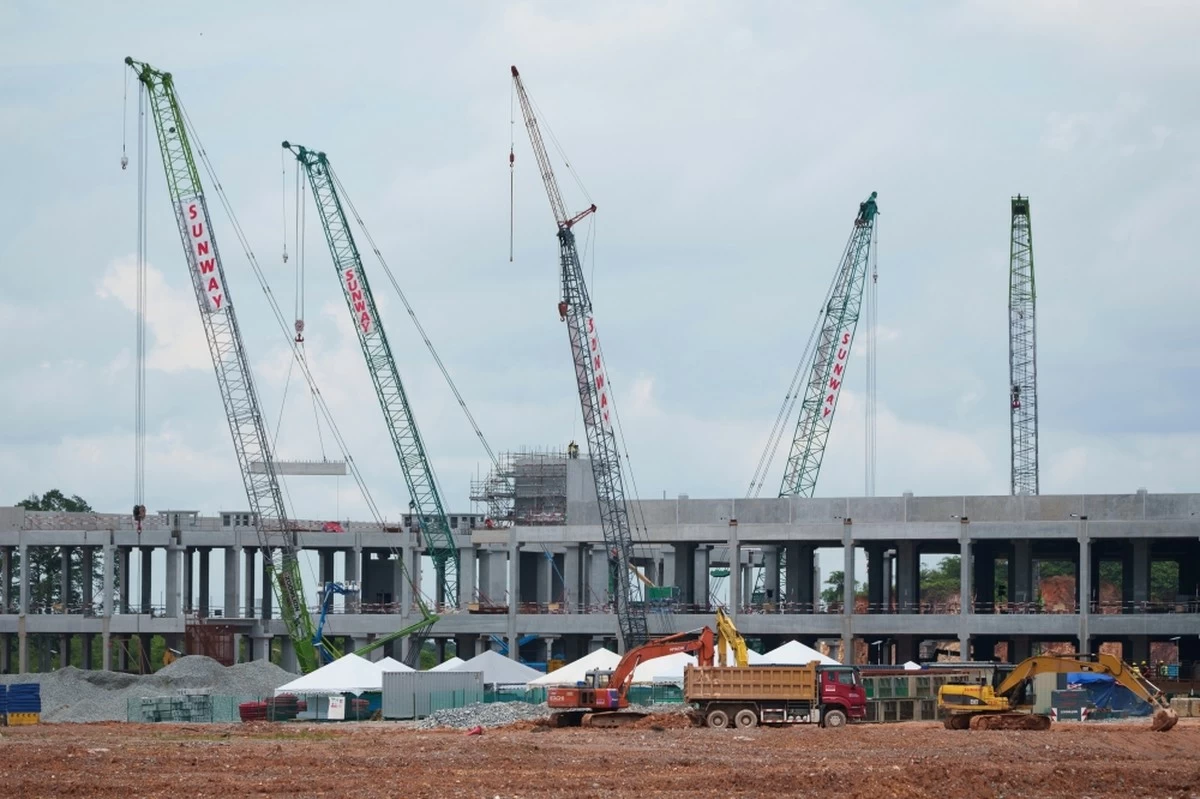
Many more data centers are in the pipeline. That's most obvious in Malaysia, which aspires to be Southeast Asia’s AI computing hub and has drawn investments and interest from tech giants like Microsoft, Google and Nvidia. The revival of Southeast Asia's nuclear interest mirrors a global trend. Nearly 40 nations - including the United States, Japan, South Korea and China - have joined a global push to triple installed nuclear energy capacity by 2050.
Southeast Asia will account for nearly a fourth of the 157 gigawatts expected from "newcomer nuclear nations" by mid-century, according to the industry-backed World Nuclear Association. "There is a more serious, new and growing momentum for the development of nuclear energy in Southeast Asia,” said King Lee, with the association. Five of the 11 members of the Association of Southeast Asian Nations - Indonesia, Malaysia, Thailand, Vietnam and the Philippines - are chasing nuclear.