



17/01/2026

Share:
17/01/2026
Share:
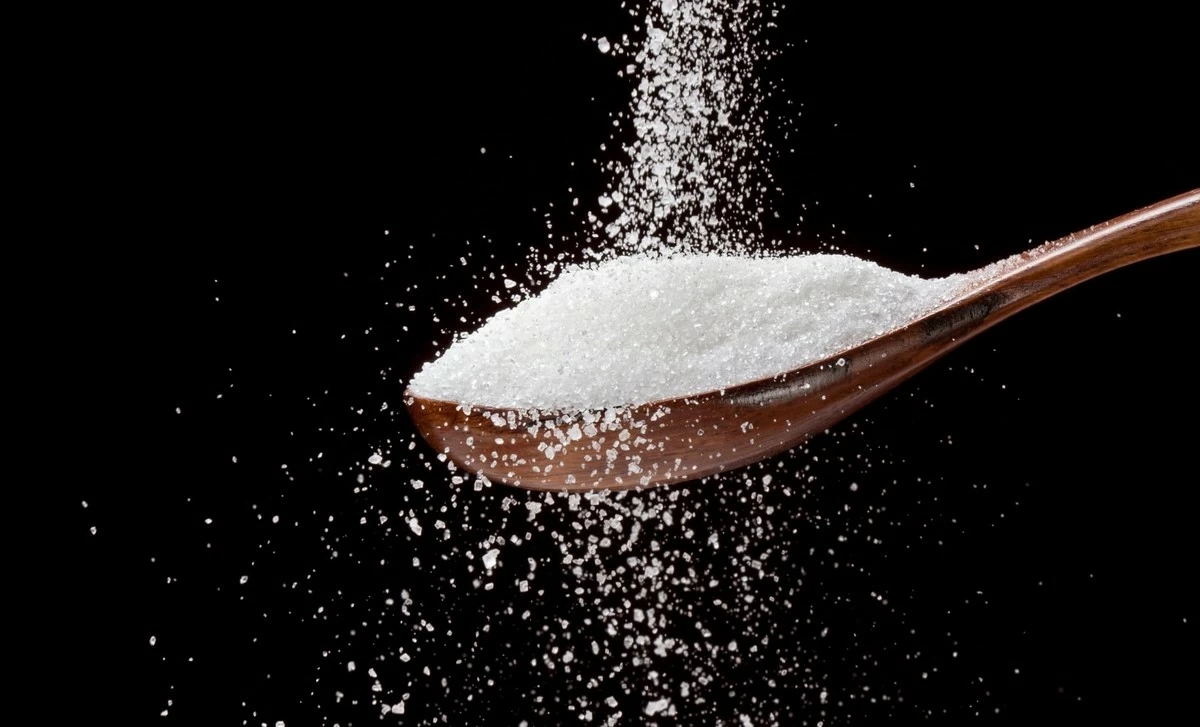

NEW YORK, Jan 17: Scientists have developed a natural sugar called tagatose that is low in calories, nearly as sweet as table sugar, and does not cause spikes in insulin, offering a potential alternative for people with diabetes and blood sugar concerns.
Researchers at Tufts University, in collaboration with biotechnology companies Manus Bio in the US and Kcat Enzymatic in India, said the sugar can now be produced efficiently and sustainably using enzymes from slime mold, overcoming previous production limitations that have constrained its market.
Tagatose is found naturally in small amounts in certain fruits and dairy products. It contains roughly a third of the calories of sucrose and is considered safe by the US Food and Drug Administration (FDA) and the World Health Organization (WHO). Unlike regular sugar, much of tagatose is fermented in the large intestine and only partially absorbed in the small intestine, preventing rapid insulin spikes.
The sugar is also tooth-friendly and may have prebiotic benefits for the oral microbiome. Initial research suggests tagatose limits the growth of harmful oral bacteria, unlike sucrose, which can contribute to tooth decay. It can also be baked into foods, unlike many other artificial sweeteners.
Biological engineer Nik Nair from Tufts explained that the team engineered Escherichia coli bacteria to act as tiny factories, processing glucose into tagatose using a newly discovered enzyme from slime mold, galactose-1-phosphate-selective phosphatase (Gal1P). The enzyme converts glucose into galactose, which is then transformed into tagatose by a second enzyme.
Using this method, production yields for tagatose can reach up to 95 percent, compared with 40 to 77 percent with conventional methods. “The key innovation was finding the slime mold enzyme and integrating it into the bacteria,” Nair said. “This allows the production of tagatose and potentially other rare sugars from glucose.”
The research team said further optimization is still needed, but the breakthrough provides a framework for larger-scale production of rare sugars.