


22/09/2026

Share:
22/09/2026
Share:

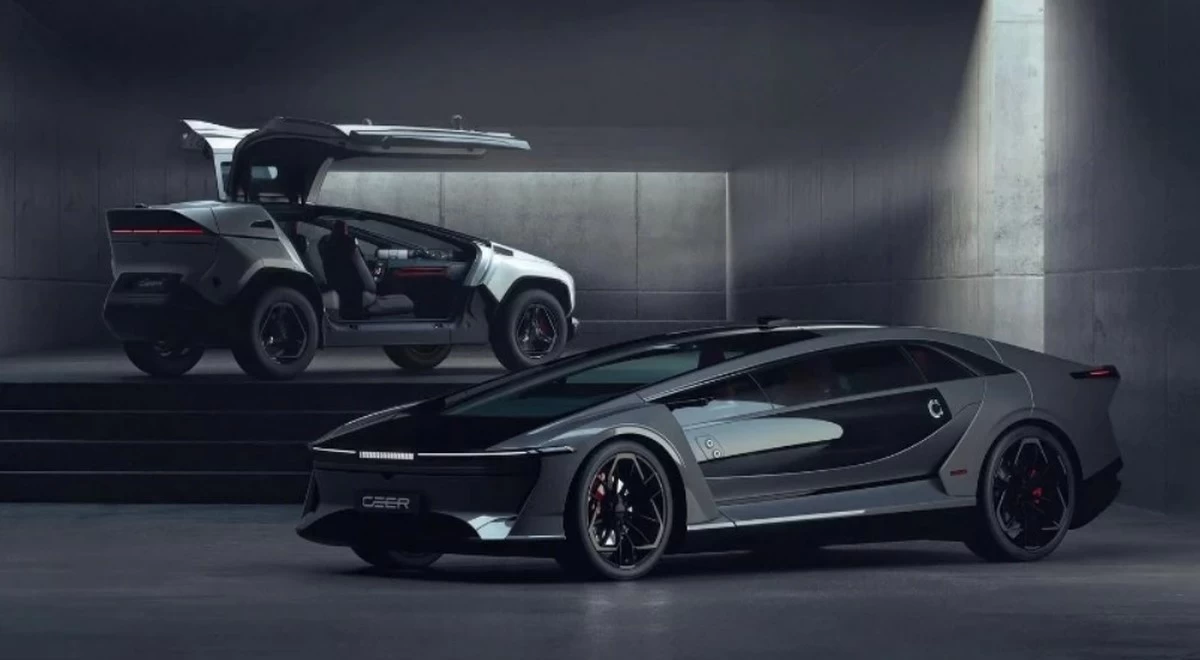
RIYADH, Sep 22: Saudi Crown Prince Mohammed bin Salman, chairman of the Public Investment Fund (PIF), on Monday launched the first vehicles produced by Saudi electric vehicle manufacturer Ceer, marking another step in the Kingdom’s push to build a domestic automotive industry under Saudi Vision 2030.
The vehicles, launched under the name “Exobot,” are available in sedan and SUV models and represent the first products from Ceer’s planned seven-model lineup, which will be introduced over the next five years. The company said the range will include compact and medium-sized vehicles with different powertrain systems.
Speaking at the launch, Mohammed bin Salman said Ceer’s first vehicles represented another step toward building a sustainable industrial ecosystem and making automotive manufacturing a key contributor to economic growth by attracting investment, developing Saudi talent and expanding the role of the private sector.
All Ceer models will be manufactured at the company’s industrial complex within the King Salman Automotive Cluster in King Abdullah Economic City. The facility is described as the largest of its kind in the Middle East and among the world’s most advanced automotive manufacturing facilities.
Ceer said the Exobot vehicles were designed and engineered in Saudi Arabia, with styling inspired by the Kingdom’s landscape and culture and developed to international specifications.
The company is expected to contribute more than SR30 billion ($8 billion) to Saudi Arabia’s GDP, improve the trade balance by about SR80 billion, and create high-quality direct and indirect employment opportunities by 2034.
PIF launched Ceer in 2022 as Saudi Arabia’s first automotive brand as part of efforts to diversify the economy, strengthen domestic manufacturing, attract investment and expand opportunities for the private sector.