


25/09/2026

Share:
25/09/2026
Share:
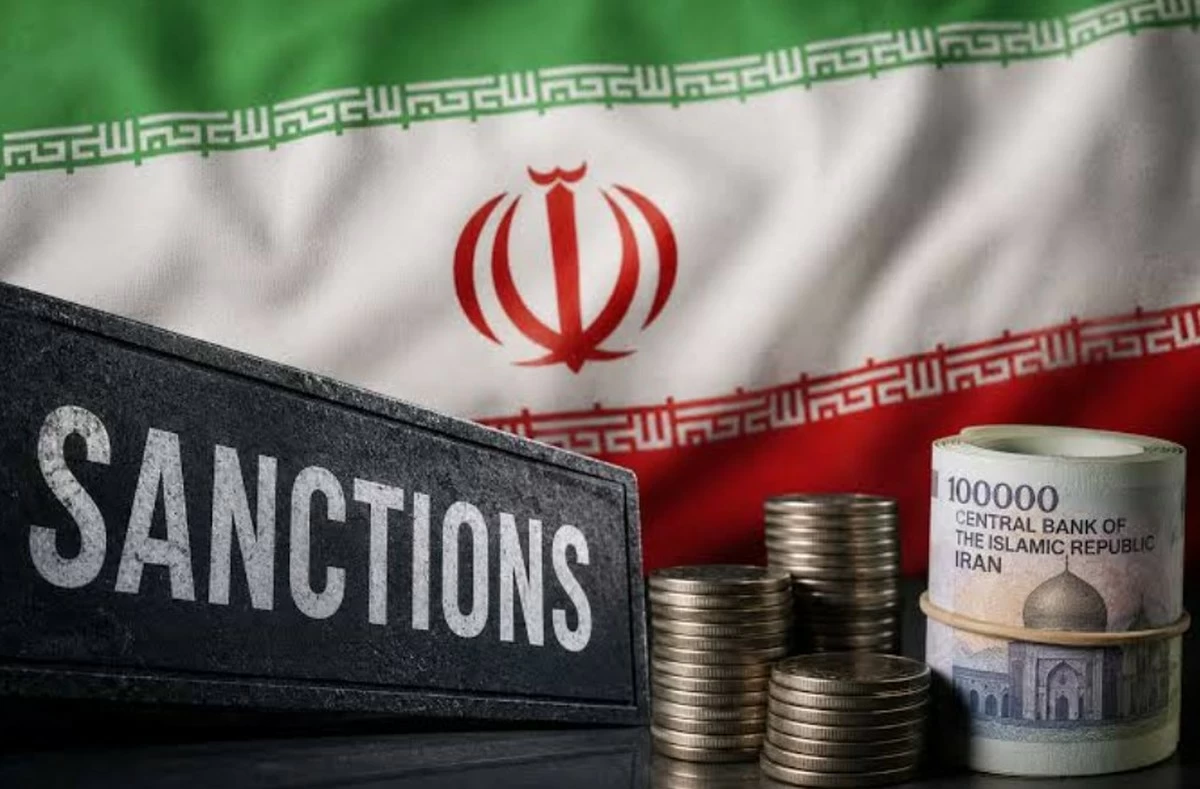

RIYADH, Sept 25: Saudi Arabia and the United Arab Emirates are urging Washington to maintain sanctions and its naval blockade of Iran, complicating efforts by mediators to restart peace talks as attacks threaten regional oil exports, The Wall Street Journal reported.
Mediators, including Qatar, are seeking talks in Oman as early as next week aimed at reopening the Strait of Hormuz and beginning to wind down the war, the newspaper reported, citing people familiar with the discussions. US President Donald Trump said Tuesday that he expected the two sides to meet again soon.
While Persian Gulf states generally oppose further US military escalation, Saudi Arabia and the UAE are pressing Washington not to offer concessions on sanctions or the maritime blockade.
Saudi Crown Prince Mohammed bin Salman recently told US officials that the blockade should remain until Iran is compelled to sign a new agreement, according to people familiar with the discussions cited by the Journal.
The position represents a shift from the summer, when Saudi Arabia and other Arab states pushed for negotiations and were prepared to consider an agreement recognizing some Iranian influence over the Strait of Hormuz.
However, Iranian attacks on Saudi ships and Tehran's encouragement of Houthi efforts to restrict the alternative export route through the Red Sea have weakened confidence among regional governments that Iran is willing to reach a deal, the report said.
UAE officials have also lowered expectations for negotiations, arguing that renewed violence and attacks on shipping indicate Tehran is in no hurry to return to diplomacy. They have said Persian Gulf states should not accept permanent Iranian control over Hormuz.
Behnam Ben Taleblu, an Iran specialist at the Foundation for Defense of Democracies, told the Journal that renewed Houthi threats, following months of disruption in Hormuz, were pushing regional governments toward compliance with US sanctions.
Oman and Qatar favor a different approach, arguing that a phased reopening of Hormuz and an end to attacks on Persian Gulf countries offer the only viable path out of a war that has already caused substantial regional damage.
Qatar has pursued mediation on the sidelines of the UN General Assembly. Iranian Foreign Minister Abbas Araghchi visited Doha on Sunday to discuss proposals that reportedly include a seven-day pause in fighting, potentially leading to an end to Iranian attacks on shipping in exchange for Washington lifting its blockade.
However, US officials have repeatedly told Qatar that Trump has no intention of lifting the maritime embargo, according to the report.
A White House official said the sanctions and blockade had strengthened Washington's position.
“While President Trump is open to talking with Iran under the right circumstances, he has no need to negotiate with the Iranians,” the official said.
Talks also face resistance inside Iran. Tehran fears Washington could use negotiations to delay action until after the US midterm elections before resuming attacks, while hardliners have adopted a more confrontational tone as economic pressure intensifies, the Journal reported.
Arab mediators said Iranian diplomats had presented proposals and acknowledged the worsening economic crisis, but the Islamic Revolutionary Guard Corps had rejected new negotiating formulas and expressed readiness for a prolonged war.
The Guards, which play a dominant role in Iran's power structure, are seeking terms closer to those in the preliminary June agreement, including relief from oil sanctions, access to frozen assets and recognition of an Iranian role in administering the Strait of Hormuz in exchange for reopening the waterway.
Washington has told mediators it will not return to that agreement, believing sustained economic pressure will force Tehran to accept terms more favorable to the United States and its Persian Gulf partners.