


06/02/2026

Share:
06/02/2026
Share:

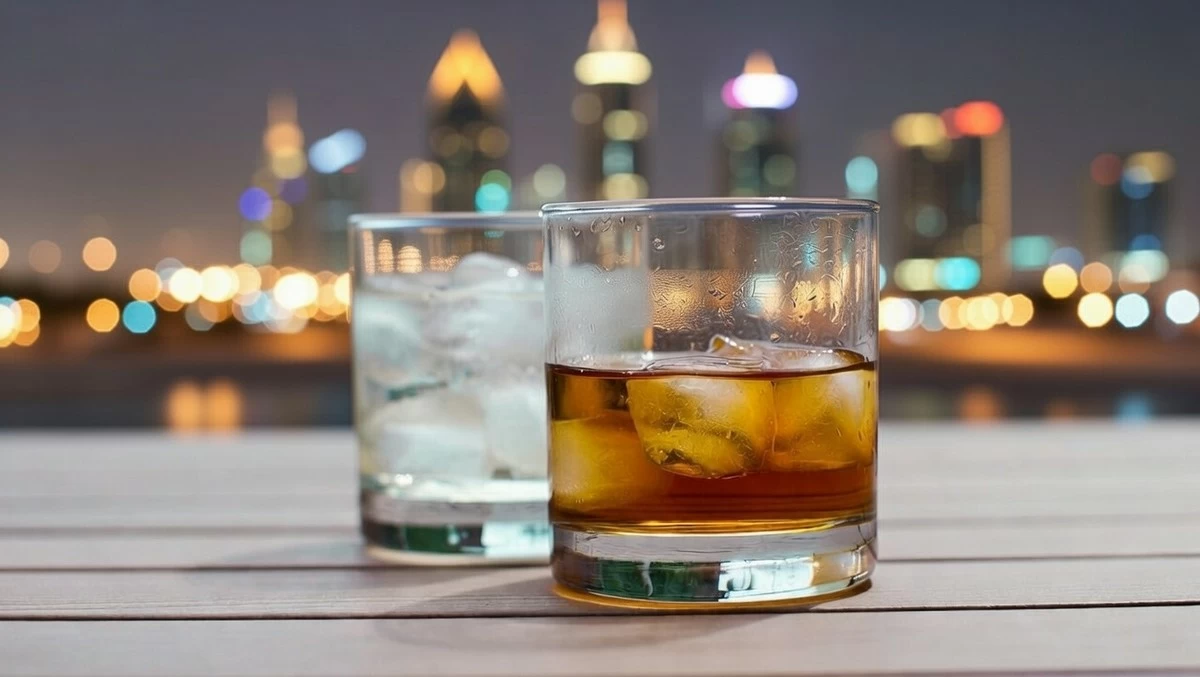
RIYADH, Feb 6: A significant policy shift has emerged as wealthy foreign residents have been given the privilege to purchase alcohol, ending a ban that has been in place for over seven decades. This development, reported by Sameer Hashmi for the BBC, marks a groundbreaking moment in the country's social landscape.
Nestled within the Diplomatic Quarter of Riyadh, an exclusive area known for its embassies and luxurious residences, a discreet shop has begun the sale of alcoholic beverages to non-Muslim foreigners, a move that was unannounced and quietly implemented. The shop first opened its doors in January 2024, initially catering exclusively to non-Muslim diplomats. By the end of 2025, the policy expanded to allow access for wealthy, non-Muslim foreign residents.
To patronize the store, foreigners must either possess a Premium Residency permit—costing 100,000 Saudi riyals ($27,000; £19,300) annually—or demonstrate a monthly income of at least 50,000 riyals. Patrons are required to present identification detailing their religion and residency status upon entry.
This initiative is seen as part of a series of reforms under Crown Prince Mohammed bin Salman, aimed at transforming Saudi Arabia into a more moderate and investment-friendly environment. These reforms have included lifting the ban on women driving and diminishing the powers of the religious police, among others.
Sources report that customers, who wished to remain anonymous, have described a seamless purchasing experience within the store, albeit with heightened security measures such as sealing mobile phones in tamper-proof bags. Despite the higher cost compared to Western markets—with a bottle of Johnny Walker Black Label whisky costing $124, for instance—many feel the prices are reasonable compared to those on the local black market.
While there has been no formal announcement from the government regarding this policy shift, news of the store's existence has spread through word of mouth among the expatriate community. The store's name and location remain unlisted on online maps, adding to its discretion.
As Saudi Arabia continues on its path of social and economic overhaul, the controlled sale of alcohol to a select group of foreign residents represents a bold stride toward broader societal acceptance and global integration. Critics and supporters alike are closely watching these developments, anticipating the potential wider implications for tourism and international relations.