



10/09/2026

Share:
10/09/2026
Share:

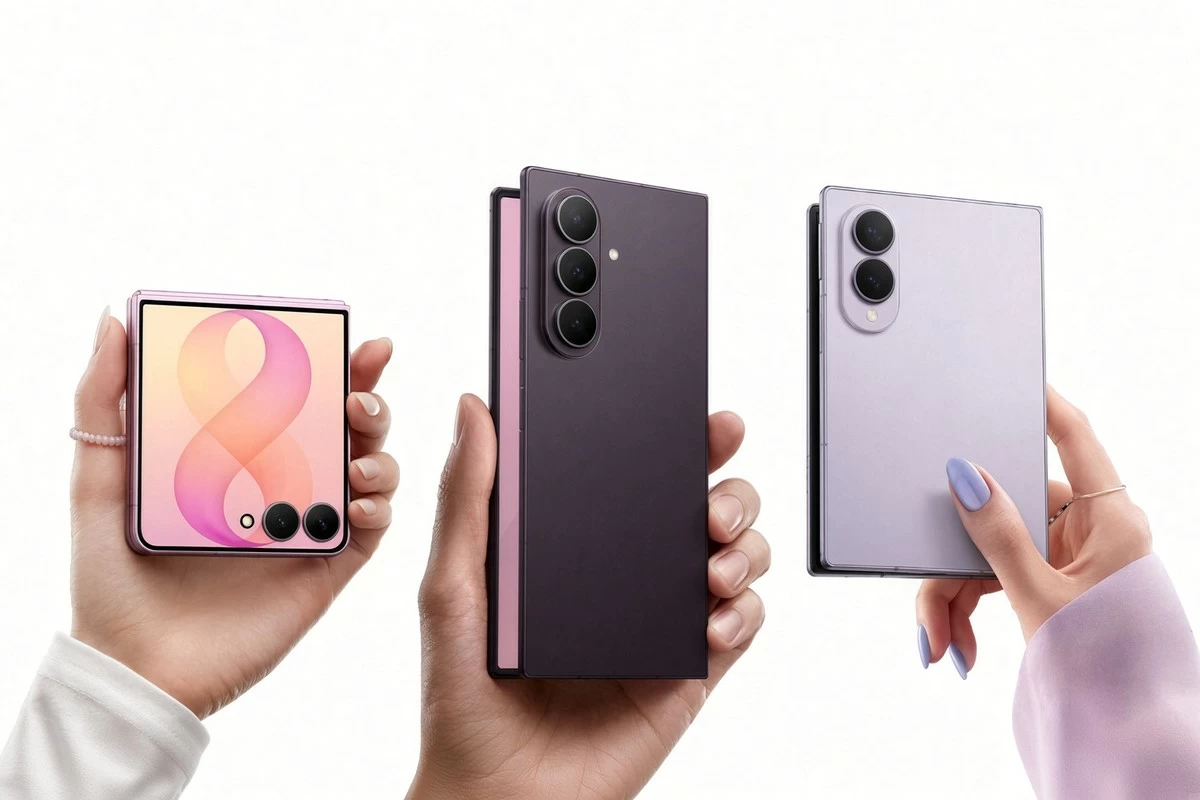
Samsung Galaxy Z Fold Flip8 I Flod8 I Fold8 Ultra
KUWAIT CITY, Sep 10: Seven years after Samsung pioneered the foldable smartphone era, Apple finally entered the fray. Much has changed since Samsung introduced the original Galaxy Fold, but the basic book-style concept remains familiar. Apple’s first foldable iPhone design is remarkably similar to Samsung’s — a format the Korean technology giant pioneered.
Let’s rewind a bit. Samsung’s journey into foldables started long before anyone could actually buy one. Back in 2018, Samsung showed off its Infinity Flex Display, teasing a brand new kind of phone. Fast forward to early 2019, and Samsung announced the first Galaxy Fold, a chunky little gadget with a 7.3-inch flexible screen that could go from phone to tablet in a snap. After a few upgrades and fixes, Samsung put the device on sale that September, making it one of the very first big companies to let regular people actually buy a foldable phone.
Since then, Samsung’s been on a roll, pumping out one Galaxy Z Fold after another: Fold2 in 2020, Fold3 in 2021, Fold4 in 2022, Fold5 in 2023, Fold6 in 2024, and yes, Fold7 in 2025 and finally Fold8 in 2026. Each new version got better with latest Ai software integration and with stronger hinges, tougher screens, slimmer and lighter builds, improved cameras, and smarter multitasking. Samsung didn’t just stick with book-style foldables, either—they also rolled out the Galaxy Z Flip, which folds up small, clamshell-style, for folks who want a more compact option.
By 2026, Samsung’s thinking had shifted again with the Fold8 and a higher-end Fold8 Ultra, pushing these gadgets even more as productivity tools rather than just flashy tech toys. Remember the first Fold? It was thick and heavy. Now, they’re way sleeker, lighter, and packed with features like AI, better battery life, and super-smooth multitasking.
And Samsung isn’t stopping there. From the original Galaxy Fold to its latest generations of foldable devices, the company has continued to push the boundaries of what a smartphone can be. What began as an ambitious experiment has evolved into a mature category, with Samsung spending years refining the technology, design and user experience of foldable phones.
Now Apple’s showing up to the party. Their first foldable iPhone is said to use that familiar book-style fold, just like the Galaxy Z Fold.
An interesting twist
Samsung has been among the pioneers of the modern foldable smartphone era, committing early to the technology and helping transform it from an experimental concept into a mainstream product category. Years of continued investment and refinement across successive Galaxy Z generations have allowed Samsung to build deep expertise in foldable displays, hinges, durability and software, giving the company a strong first-mover advantage as more manufacturers enter the segment.
The relationship between the two companies highlights the depth of Samsung’s expertise in foldable technology. Having pioneered the commercial foldable smartphone category, Samsung has spent years advancing the displays and engineering technologies needed to make the form factor more practical and durable. Samsung Display is reportedly expected to supply OLED panels for Apple’s first foldable iPhone — a development that underscores the strength of Samsung’s display technology and the expertise it has accumulated through years of innovation, according to MacRumors
The bigger question, therefore, is not simply whether Apple is late to foldables, but whether its entry can offer enough differentiation to challenge a category that Samsung has spent years mastering the art.
After years of Samsung pioneering, developing and refining foldable smartphones, Apple has finally entered the category. Samsung may have fired the starting gun, and the arrival of another major player could bring fresh competition—but Samsung remains the company that has been shaping the foldable smartphone experience from the beginning.