



13/05/2026

Share:
13/05/2026
Share:

DHAKA, May 13: Bangladesh is confronting a major public health challenge as new data highlights both a high burden of non-communicable diseases linked to excessive salt consumption and a rising measles outbreak claiming hundreds of lives.
Health experts said at an awareness seminar marking Salt Awareness Week 2026 that excessive intake of sodium—largely from processed and ultra-processed foods—contributes to around 24,000 deaths annually in Bangladesh. They warned that high salt consumption significantly increases the risk of hypertension, heart disease, stroke, kidney failure, and other non-communicable diseases (NCDs), which already account for nearly 71% of total deaths in the country. Officials also noted that average salt consumption in Bangladesh exceeds 9 grams per day, nearly double the WHO-recommended limit of less than 5 grams, urging citizens to reduce intake and adopt healthier dietary habits.
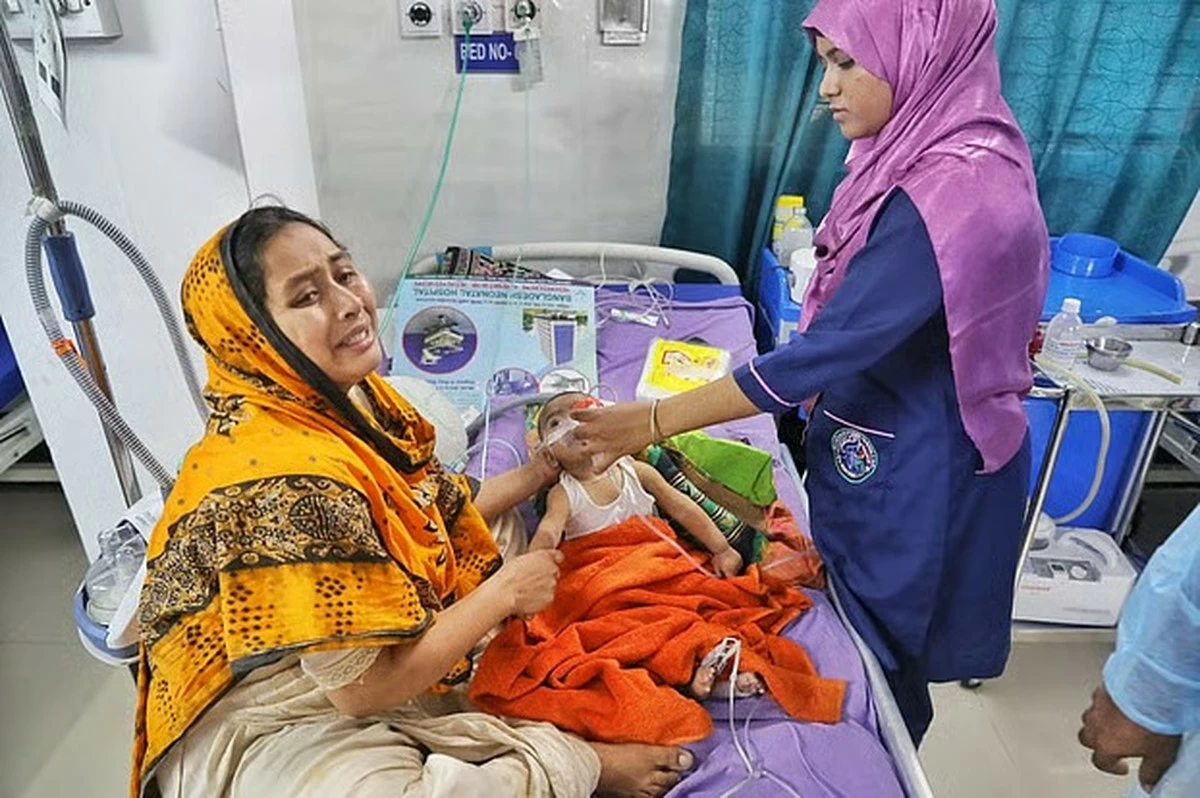
In a separate development, Bangladesh is also witnessing a sharp rise in measles cases and deaths. According to the Directorate General of Health Services (DGHS), eight more children died from measles and measles-like symptoms in the past 24 hours, taking the total number of confirmed and suspected deaths to 432. Of these, 69 are confirmed measles deaths. During the same period, 126 new confirmed cases and 1,489 suspected cases were reported, pushing the total caseload to over 53,000 suspected infections nationwide.
Health officials continue to urge preventive action, including improved nutrition awareness and expanded immunisation coverage, as the country grapples with overlapping public health emergencies.