


25/04/2026

Share:
25/04/2026
Share:


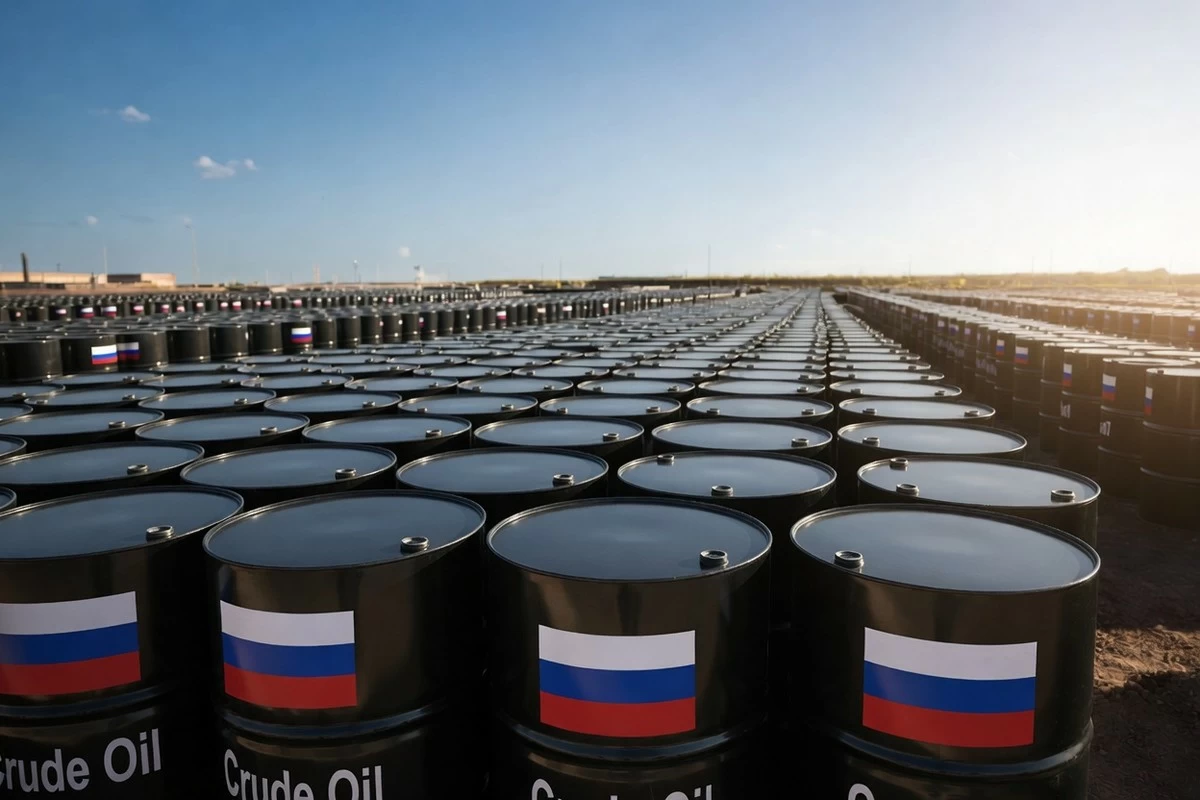
With a shortage of oil supply from the Arabian Gulf, oil prices are reaching high levels. Russian Urals crude oil is trading at $120 a barrel, while Gulf crude oil is trading at $110 a barrel, about $10 lower than Russian crude. Despite this, Gulf oil is not moving in large volumes, resulting in a higher premium for Russian crude. As a result, Gulf states are not benefiting significantly from the current high oil prices. At the same time, some Gulf countries are facing a shortage of liquid income, which would extend to 50 days in the coming period. It is a fact of life and a sad reality.

Arabian Gulf producing countries are entering the third month without crude oil sales, as well as petroleum products, with most refineries either closed or operating at minimal capacity, while the Strait of Hormuz remains closed. Iran is also affected, as it is unable to export oil and is not receiving revenue. It is facing various sanctions that are causing it to fall behind its regional neighbors. While it maintains its own foreign policy and independence, questions remain about recent military actions in the region.
Why must it attack us militarily when we have done nothing to harm Iran and have always maintained a friendly relationship with it? We have never caused Iran any harm, nor do we wish any harm to it. However, it should respect our views and continue to uphold the cordial relationship. Oil prices will remain high as long as Iran threatens and maintains an aggressive policy toward its neighbors. At the same time, Iran is also harming itself by taking a negative stance toward its neighbors’ foreign policies and by closing the Strait of Hormuz, which is causing a shortage in global oil supply.
This is leading to higher inflation, which ultimately also affects Iran itself. It is time for calm and for pursuing friendly policies with its neighbors rather than causing harm. The closure of the Strait of Hormuz has backfired, leading to boycotts affecting multiple ports. What has Iran gained from pursuing an aggressive foreign policy toward its neighboring countries? It has contributed to higher oil prices without itself benefiting, as it is unable to export due to the closure of the strait and the resulting impact on its ports. Meanwhile, other oil suppliers outside the Gulf are benefiting significantly, selling crude oil at around $120 per barrel, while Gulf producers are barely able to sell volumes at these favorable prices.
By Kamel Al-Harami
Independent Oil Analyst
e-mail: a.alsarraf@alqabas. com.kw
Independent Oil Analyst
e-mail: a.alsarraf@alqabas. com.kw