


24/05/2026

Share:
24/05/2026
Share:

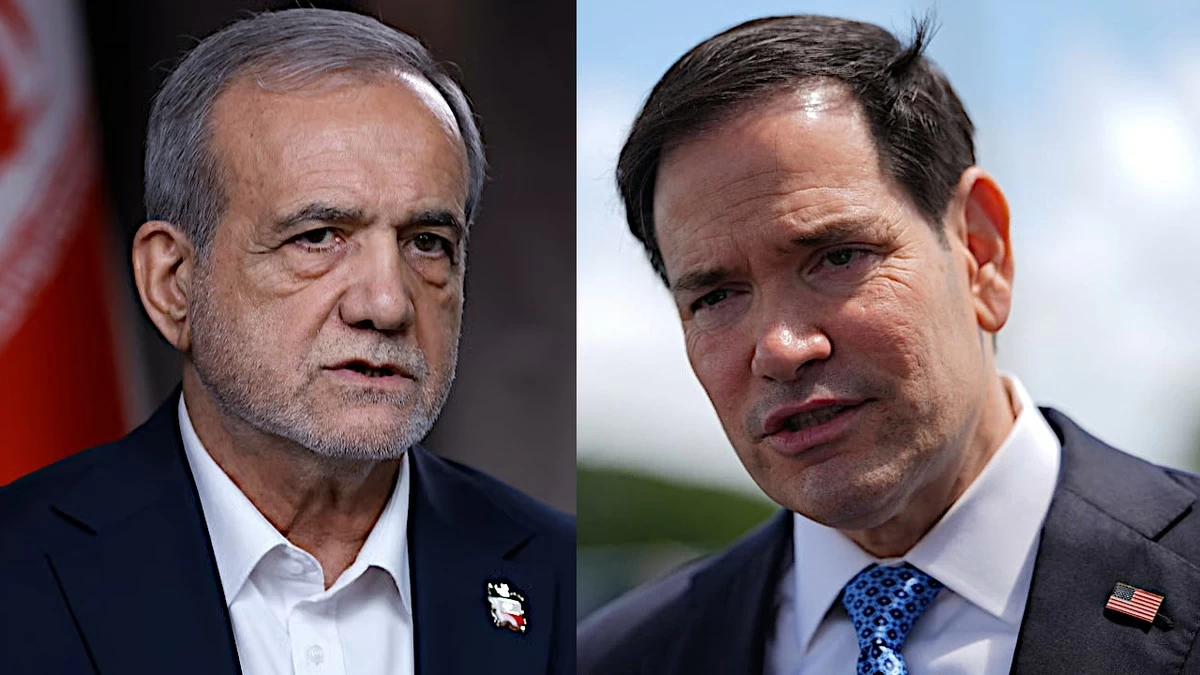
WASHINGTON / TEHRAN, May 24: U.S. Secretary of State Marco Rubio said on Sunday that progress had been made in recent discussions aimed at resolving the ongoing Strait of Hormuz crisis, raising hopes for a possible breakthrough within hours.
Speaking about developments over the past 48 hours, Rubio said negotiators had advanced toward an outline agreement that could help ease tensions surrounding the strategically vital waterway. He added that there was a possibility of “good news” emerging soon regarding the situation in the Strait of Hormuz, while reiterating Washington’s longstanding position that Iran must never obtain a nuclear weapon.
Rubio also strongly condemned attacks on commercial shipping, describing strikes on civilian vessels as “totally illegal” amid continued regional tensions affecting maritime security and global energy markets.
Meanwhile, Iranian President Masoud Pezeshkian stressed that no major diplomatic or strategic decision would be taken outside the framework of Iran’s Supreme National Security Council or without the approval of Supreme Leader Mojtaba Khamenei, according to remarks published Sunday.
Speaking during a meeting with executives from Iran’s state broadcaster, Pezeshkian called on all political factions, institutions, and media platforms to support decisions made in the field of diplomacy.
“When a decision is made in the field of diplomacy, all institutions, platforms and political currents must support it,” Pezeshkian said, emphasizing unity within Iran’s political system during sensitive negotiations.
He also stated that he had consistently avoided making comments that contradicted the position of the Supreme Leader or created divisions within the Iranian establishment, warning that internal disagreements could be exploited by adversaries.
In a separate development, Reuters reported, citing a senior Iranian source, that Tehran has not agreed to hand over its stockpile of highly enriched uranium as part of the preliminary framework currently under discussion with the United States.
According to the report, Iran’s nuclear file is expected to be handled separately from the initial diplomatic framework being negotiated to reduce broader regional tensions and address the Strait of Hormuz crisis.
The latest statements highlight continuing efforts by both sides to pursue de-escalation through diplomacy, while key disagreements over Iran’s nuclear program remain unresolved.