


05/05/2026

Share:
05/05/2026
Share:

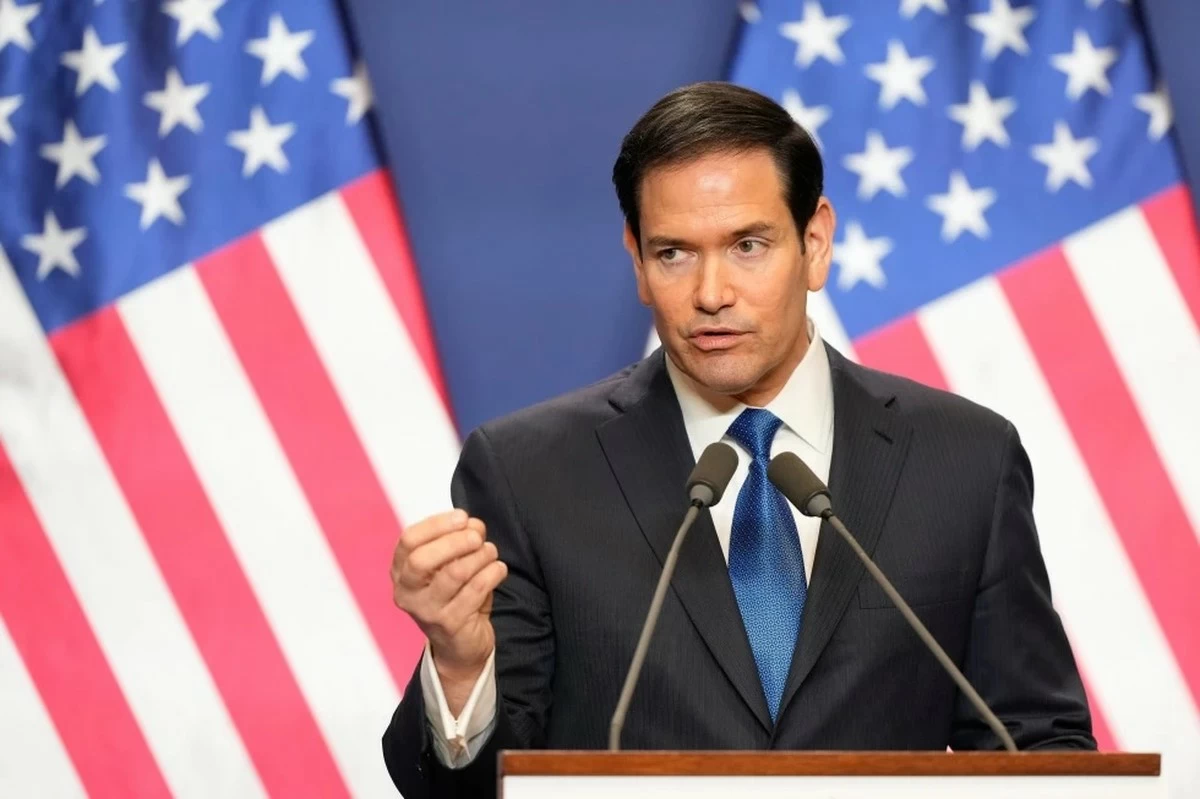
WASHINGTON, May 5: U.S. Secretary of State Marco Rubio said Washington’s blockade of Iranian vessels is a “defensive measure,” while warning Tehran against escalating tensions and urging a return to negotiations.
Speaking to reporters at the White House on Tuesday, Rubio defended the move as a response to what he described as Iranian threats to commercial shipping.
“Under no circumstances can we ever allow Iran to normalize the fact that they get to blow up commercial ships and put mines in the water,” Rubio said. “So the response to that is, we’re going to blockade your ships. If everyone’s ships are not getting out, your ships are not getting out either. That’s not an act of war. That’s a defensive measure.”
Rubio also cautioned Iran against challenging the current U.S. administration, warning of severe consequences if diplomacy fails.
“They really shouldn’t test the will of the United States, at least not under President Donald Trump,” he said. “The alternative is growing isolation, economic collapse and ultimately, total defeat.”
The top U.S. diplomat further accused Tehran of pursuing capabilities consistent with a military nuclear program, pointing to its missile development, underground enrichment facilities and uranium enriched to 60%.
“They’re acting like they want a military nuclear program. That’s unacceptable,” Rubio said, adding that such enrichment levels have “no civilian use.”
Iran has previously maintained that its nuclear activities are for peaceful purposes and has rejected accusations of seeking to develop nuclear weapons.
Asked about the possibility of arming protesters in Iran, US Secretary of State Marco Rubio said President Donald Trump was “heartbroken” by images of Iranians facing alleged abuse by their government and expressed sympathy for those unable to defend themselves.
“This is a vicious regime,” Rubio told reporters at the White House, adding that the Iranian authorities “hang people from cranes in the town square.”
He said Trump’s comments reflected a desire to see the Iranian people have the means to resist such actions. “What the President is expressing is the wish that the Iranian people had the ability to fight back against some of these things that are happening to them,” Rubio said.
In the same briefing, Rubio also warned about the consequences of a nuclear-armed Iran, arguing it would dramatically alter global security and energy stability.
“If Iran had a nuclear weapon, they’d close the strait and tell the world, ‘What are you going to do about it?’” he said. “We wouldn’t be able to respond effectively, because they would have a nuclear weapon.”
He added that such a scenario could allow Tehran to threaten global shipping routes, potentially driving up energy prices and disrupting international trade.
Rubio stressed that preventing this outcome remains a central US priority. “A nuclear-armed Iran could do whatever it wants with the straits, and there would be little anyone could do about it,” he said.
He concluded that this risk—along with the potential for catastrophic loss of life—makes it essential to prevent Iran from obtaining nuclear weapons.