



18/05/2026

Share:
18/05/2026
Share:
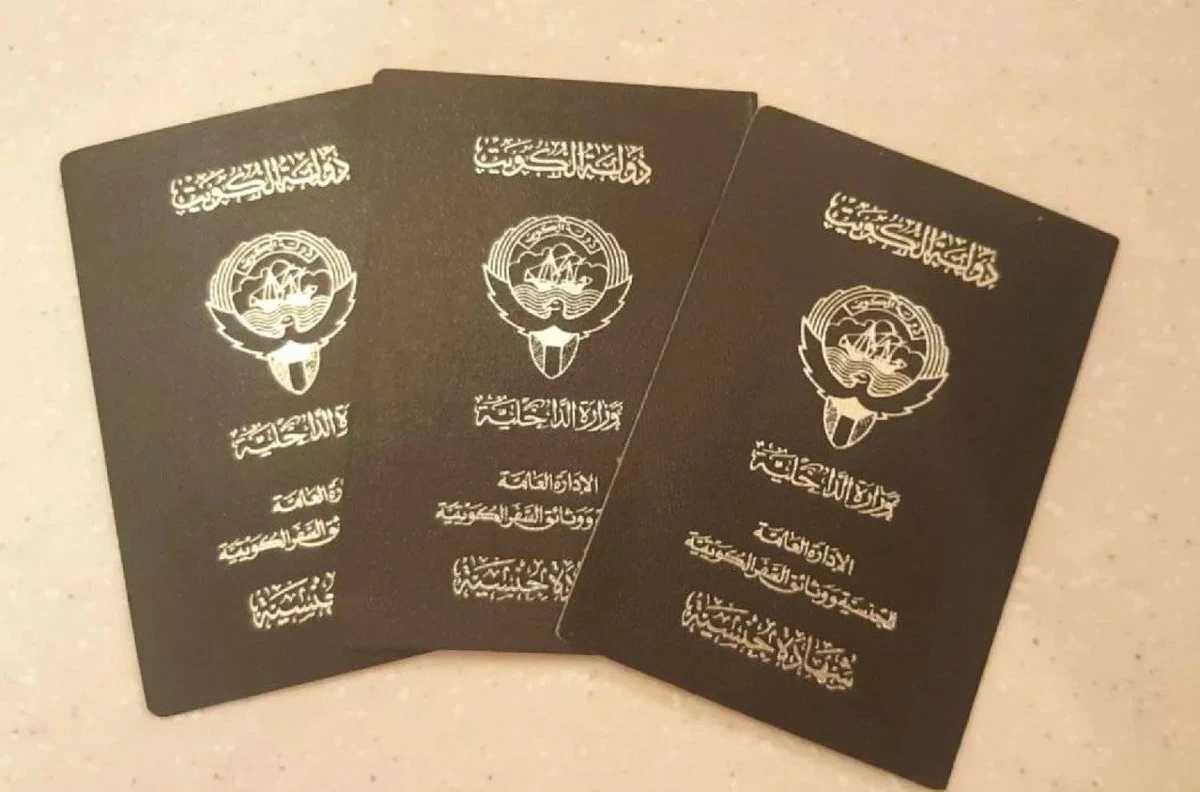

KUWAIT CITY, May 18: As part of the strict implementation of the new Nationality Law, the Higher Committee for Kuwaiti Citizenship Investigation, chaired by First Deputy Prime Minister and Minister of Interior Sheikh Fahad Al- Yousef, continues, in cooperation with relevant authorities and the Nationality Investigation Department, to dismantle complex forgery cases that have accumulated over decades, revealing the exploitation of legal loopholes.
According to informed sources, the Higher Committee stressed the importance of enforcing the new Nationality Law without exceptions or leniency, to protect national identity and purge nationality files of any cases of forgery or manipulation. The new Nationality Law provides clear and decisive tools for dealing with forgery cases, whether by withdrawing citizenship from those who obtained it based on false information, or by revoking it from those who participated directly or indirectly in adding individuals to nationality files in contravention of the truth.
The provisions of Article 14 of the new law have begun to be implemented, which stipulates the revocation of citizenship from anyone who intentionally adds to their own or another person’s nationality file any person who is not their child or descendant, especially after the expiration of the grace period granted by the Ministry of Interior to rectify the situation. The Ministry of Interior called on anyone with illegal additions to their citizenship file or to a family member's file to voluntarily report them to the General Directorate of Citizenship and Travel Documents, with an exemption from the prescribed legal penalties.
The sources emphasized that failure to take advantage of this grace period will subject the files to full legal procedures stipulated in the new Nationality Law, including the revocation of citizenship according to the nature of each case and the results of investigations. They clarified that the revocation of citizenship in this case is by decree and applies only to the individual, without affecting the biological children registered on the citizenship file. The sources revealed the first revocation of citizenship (Article 1) from a citizen whose fingerprints proved he had added fictitious children. They explained that the first fingerprint definitively denied paternity of two children registered on his file.
The second fingerprint confirmed the biological relationship between the two children and a Gulf resident in Kuwait who turned out to be their brother. The extensive investigations, supported by evidence, official documents, and DNA testing, uncovered cases described as among the most serious and complex in the history of citizenship files, given their intricacy and the difficulty in linking the parties involved.