



11/03/2026

Share:
11/03/2026
Share:
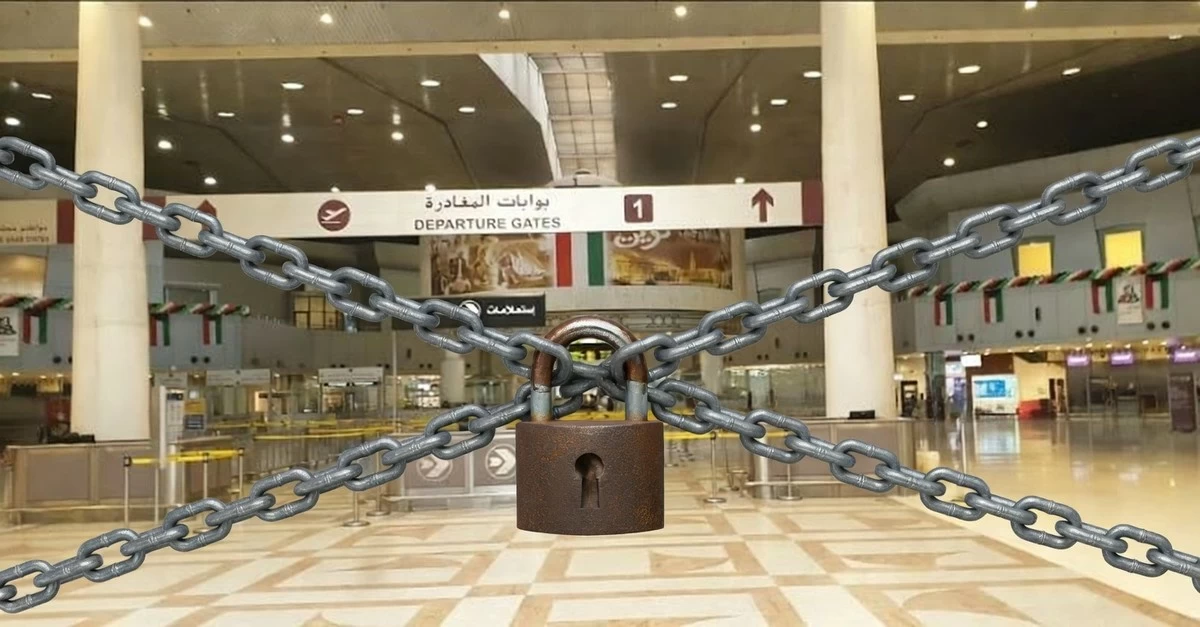

KUWAIT CITY, March 11: The exchange of missiles and drones in the ongoing American-Israeli war against Iran has severely impacted the Gulf tourism and travel sector, bringing it to a temporary standstill and causing losses amounting to tens of billions of dollars in the first 10 days of the conflict. On the extent of losses in Kuwait and the Gulf, two experts confirmed to the newspaper that the losses are ongoing, particularly since the air travel disruption has led to the paralysis of airlines and tourism activities due to fears of further missile strikes between the warring parties.
Chairman of the Board of Directors of Kuwait Federation of Travel and Tourism Offices Mohammad Al-Mutairi revealed that 650 local travel and tourism companies are incurring daily losses as a result of the precautionary measures taken by the State of Kuwait to protect public, the first of which is the suspension of flights. He said the tourism sector is also suffering from stagnation, similar to the situation in other Gulf countries.
He stated that it is difficult to estimate the losses incurred by the tourism and travel sector in Kuwait now, but the losses are certainly enormous due to the suspension and cancellation of bookings. He indicated that the continuation of this war will increase the losses, considering the travel and tourism offices must pay rent, which constitutes a large portion of their revenues, in addition to their obligation to pay salaries.
Meanwhile, economist Sultan Al- Jazzaf stated that the ongoing war put the Gulf states into a severe economic crisis, particularly affecting the tourism and travel sector, which is considered the most important economic sector in the Gulf after oil. He said travel is an important pillar of the Gulf economy, pointing out that reports issued by international financial institutions predicted financial losses in the tourism and shopping sectors in the Gulf Cooperation Council (GCC) countries exceeding $10 billion in the initial days of the war. He cited data from the World Travel and Tourism Council, indicating that the travel and tourism revenues in Middle Eastern economies reach about $370 billion annually, with the Gulf states accounting for at least $195 billion of this amount.
He warned that if the war continues for more than two months, it will reduce global tourism revenues, which exceed $11 trillion annually, according to the same data. He said the suspension of 30,000 Gulf flights in the first week of the war, in addition to disrupting millions of passengers, inflicted enormous losses on airlines, especially since the Gulf region is a transit hub between the East and West and it is home to some of the world’s largest airlines.
He added that the suspension of air traffic in Kuwait and the other Gulf countries will lead to a recession in the hotel and retail sectors in the Gulf states. He explained that a prolonged war will disrupt the Kuwaiti, Gulf and global economies, and its repercussions on the aviation sector will persist for a considerable period even after the war ends due to the congestion and overcrowding that Gulf airports will experience once the crisis subsides and flights are rescheduled.
He disclosed that among the losses suffered by the average person is the rise in global airfare prices resulting from the increase in jet fuel prices which rose from between $85 and $90 per barrel in February to between $150 and $190 per barrel, in addition to the rise in insurance and shipping costs. He stressed that the losses will not stop there, but will lead to tourists fearing the Gulf countries due to geopolitical tensions. “This will cause other indirect losses, including market contraction, especially since stimulating tourism is the main factor that stimulates all markets. When most markets are affected by recession, it could result in the termination of services for many workers,” he concluded.