



24/08/2026

Share:
24/08/2026
Share:

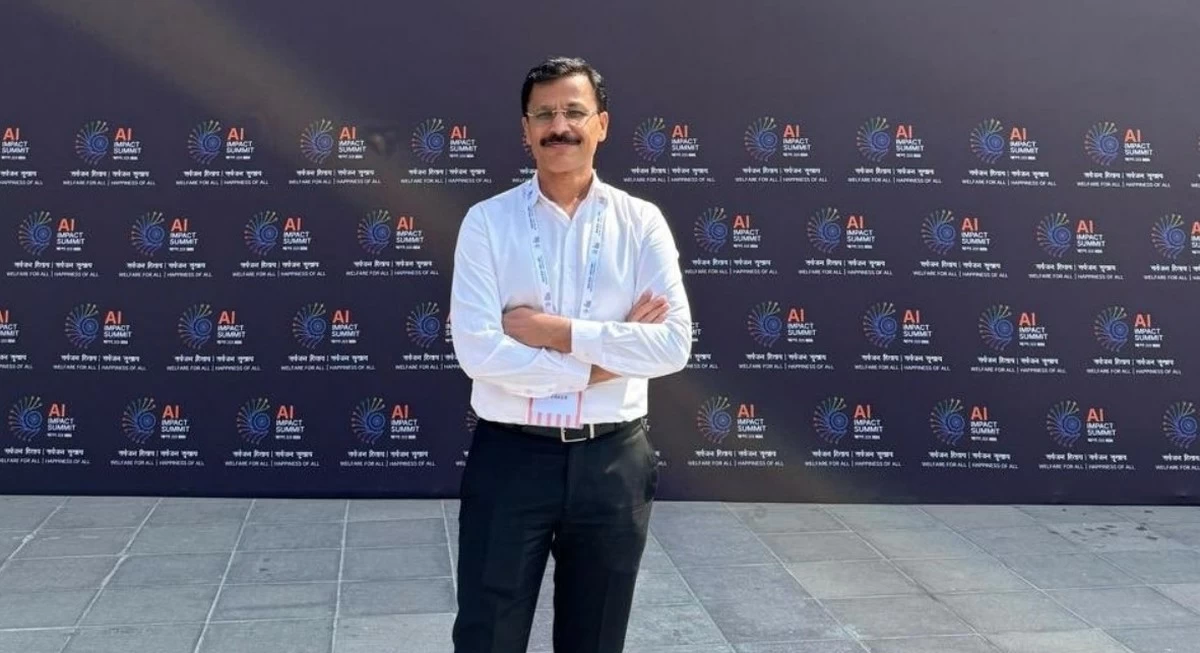
MUMBAI, Aug 23: An Indian bureaucrat’s aggressive crackdown on unhygienic food businesses in Mumbai has turned him into an unlikely national celebrity, as Tukaram Mundhe leads one of the city’s most extensive food safety drives in recent years.
Mundhe, 51, Maharashtra’s food safety commissioner, has overseen more than 3,000 inspections since taking charge in May. His department has suspended the food permits of four Domino’s outlets and one Pizza Hut outlet in recent weeks, while also taking action against hotels, restaurants, cricket clubs and other food businesses.
The crackdown intensified after a Mumbai judge questioned whether Mundhe’s department was selectively targeting private businesses and asked whether court canteens were also being inspected. Within hours, his teams carried out inspections at court canteens, shutting some that were operating without licenses.
“Those who try to not comply, they will face what is expected from the regulator,” Mundhe said in an interview. “You are dealing with the lives of people.”
Mundhe’s actions have struck a chord with the public, amid long-standing concerns over hygiene standards at restaurants, street-food stalls and small eateries. Government data shows food inspectors have tested more than 100,000 samples annually since 2020, with about 20% found to be unsafe, substandard or improperly labeled. Nearly 8,000 food business licenses have been canceled over the past three years.
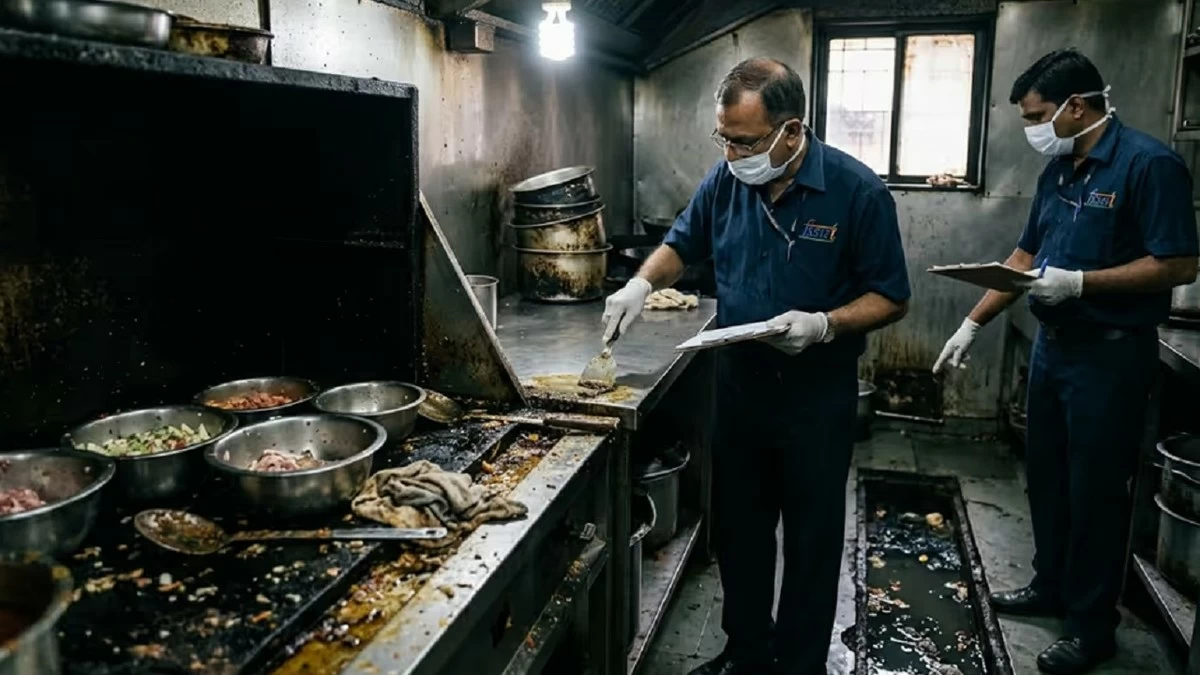
His teams have released images from inspections showing cockroaches, rats, stained walls and expired food, triggering widespread discussion on social media.
The inspections are also changing practices among Mumbai’s street vendors. Some vendors have replaced artificial food coloring with natural ingredients, while others have increased the frequency of changing cooking oil and introduced gloves and head coverings for workers.
Mundhe has also targeted common practices in street food sales, including the use of newspapers to wrap Mumbai’s popular vada pav. In June, his department prohibited the practice, prompting some vendors to switch to cleaner food-grade packaging.
However, the commissioner’s campaign has also drawn criticism from businesses, some of which accuse his department of acting too aggressively and failing to provide sufficient time for compliance.
Mundhe has faced similar criticism in court. In one case, the High Court fined his department 500,000 rupees after it continued suspending an eatery’s permit despite improvements in compliance.
“If there are observations by the court, we take it seriously ... if there is scope for improvement, we improve,” Mundhe said.
The bureaucrat, known for his outspoken style and repeated transfers during his 21-year career in the Indian Administrative Service, has nevertheless gained a growing following. At an event in New Delhi, people lined up for selfies and handshakes, with one admirer even suggesting that Prime Minister Narendra Modi should give him a national role.
Mundhe, however, has rejected the celebrity label.
“I don’t think I’m a celebrity. I’m just a food safety commissioner,” he said.