


13/10/2026

Share:
13/10/2026
Share:
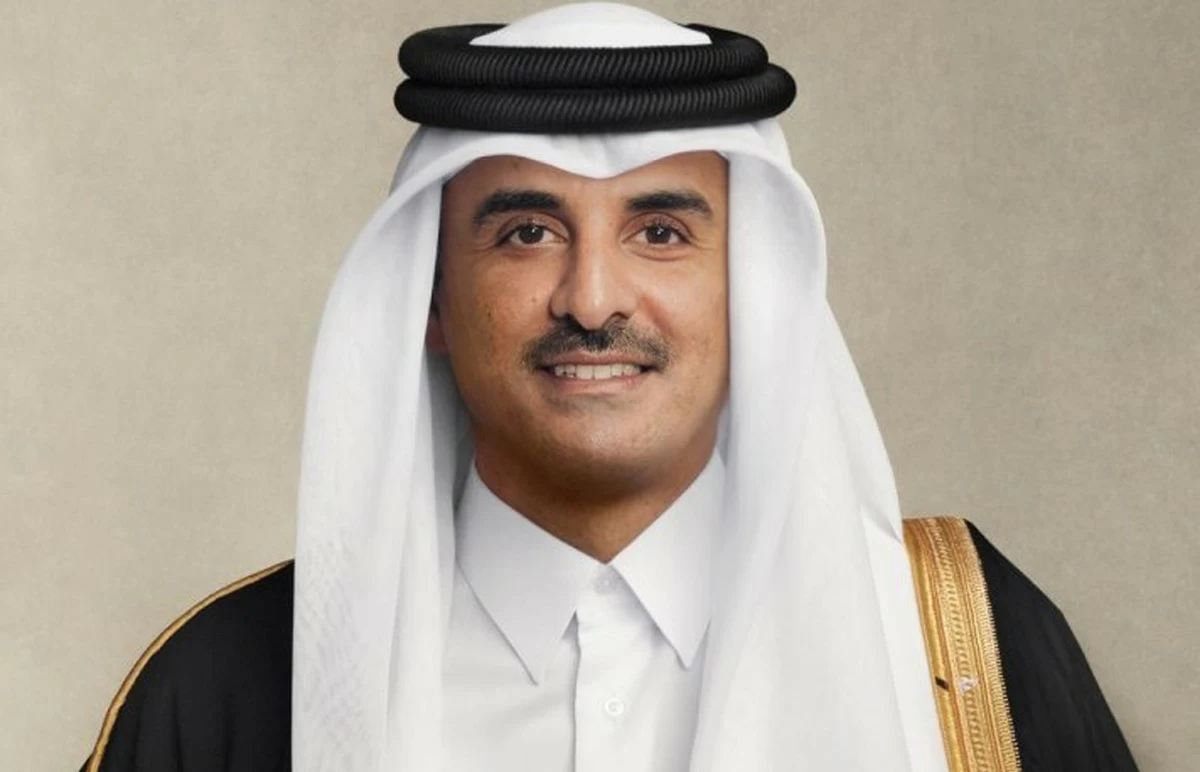

DOHA, Oct 13: Qatar’s Amir Sheikh Tamim bin Hamad Al Thani said the closure of the Strait of Hormuz and direct damage to energy facilities in Ras Laffan had disrupted a significant share of the country’s exports, warning that the impact extended to global energy markets.
Addressing the Consultative Council, Sheikh Tamim said Qatar accounts for approximately one-fifth of global liquefied natural gas (LNG) trade, meaning disruptions to its exports could quickly affect international markets and consumers, Anadolu Agency reported.
He said the economic impact of the regional crisis had been concentrated mainly in the energy sector. QatarEnergy halted LNG production in early March following drone attacks on energy facilities in Mesaieed and Ras Laffan, home to the world’s largest liquefied natural gas export hub.
Qatar’s Ministry of Defence said two drones, which it said originated from Iran, had targeted the facilities. The attacks caused damage to critical energy infrastructure, while the disruption to shipping through the Strait of Hormuz further affected Qatar’s ability to export its energy supplies.
Despite the setbacks, Sheikh Tamim said development of the North Field gas project was continuing according to plan, as Qatar seeks to increase its LNG production capacity. He also highlighted progress on the Golden Pass LNG project in the United States and said QatarEnergy was continuing to expand its international investments and partnerships.
On security, the Amir said Iran had attacked Qatar, describing the attacks as a violation of the country’s sovereignty and international law. He said Qatar’s armed forces and security services had fulfilled their responsibilities in protecting the state.
Sheikh Tamim stressed that Qatar’s pursuit of dialogue and a peaceful settlement did not mean compromising its national defence. He said the country’s strategy was to protect its sovereignty while avoiding being drawn into war, maintaining essential public services and supply chains, and sustaining economic activity.
He also called for efforts to facilitate a ceasefire, restore maritime navigation and support negotiations to resolve the regional crisis.
The emir urged Gulf Cooperation Council (GCC) member states to strengthen coordination and cooperation, stressing the importance of protecting commercial shipping through the Persian Gulf and the Strait of Hormuz, as well as energy facilities, water infrastructure and civilian installations.
His remarks underscored Qatar’s concerns over the combined impact of regional hostilities, damage to energy infrastructure and restrictions on a vital international shipping route on the country’s economy and global LNG supplies.