


09/07/2026

Share:
09/07/2026
Share:
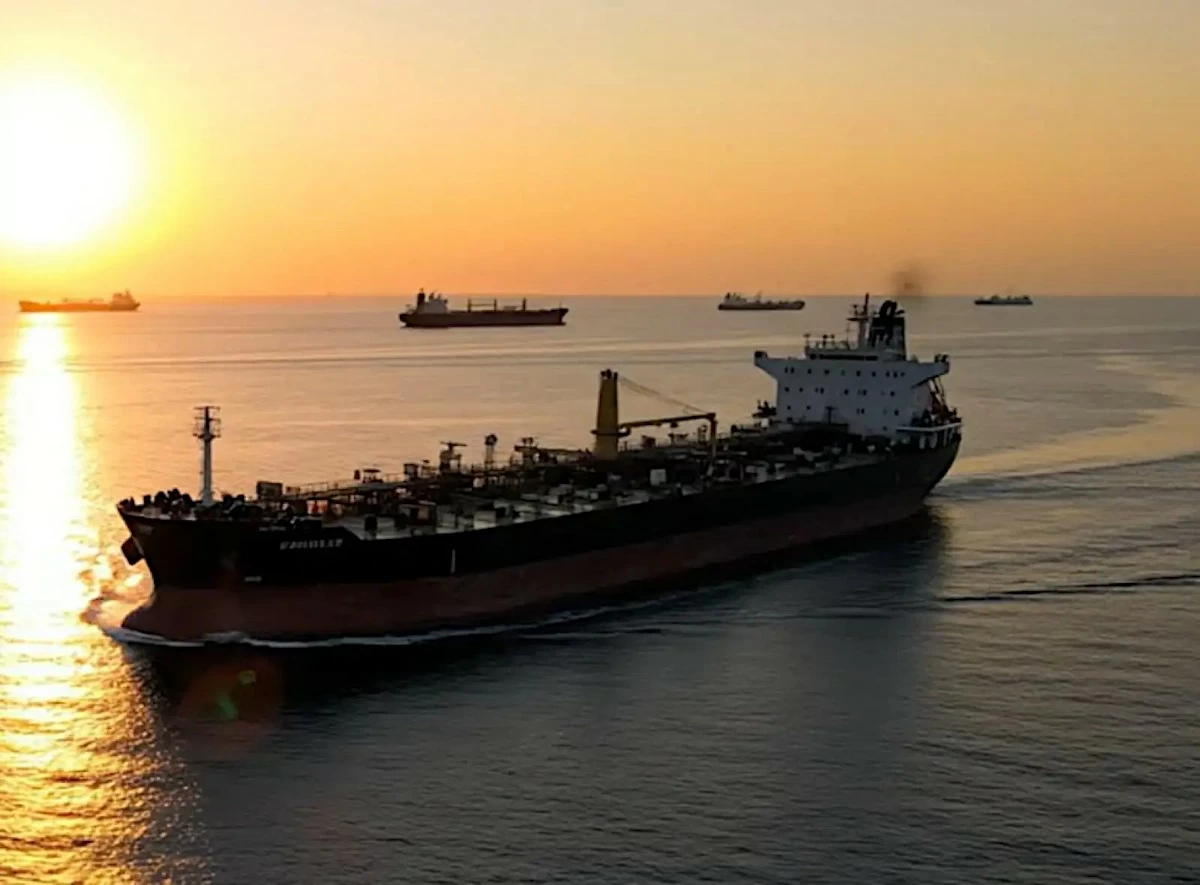

DOHA, Jul 9: Qatar has suspended plans to rapidly restore production at the world's largest liquefied natural gas (LNG) facility after one of its tankers was attacked near the Strait of Hormuz, raising fresh concerns over the security of global energy supplies, Bloomberg reported on Thursday.
According to the report, QatarEnergy Chief Executive Saad Al-Kaabi decided to pause efforts to ramp up production at the Ras Laffan LNG complex following emergency meetings held after Tuesday's attack. Operations at the facility will remain at minimum levels for safety reasons, while the number of LNG carriers scheduled to dock in the coming days will be reduced.
The decision represents one of the most significant energy-sector impacts of renewed US-Iran hostilities and attacks on commercial shipping around the Strait of Hormuz, a vital route for global oil and LNG exports.
Qatar had been preparing to restore most LNG production within two months after a previous ceasefire agreement, but those plans have now been put on hold as regional tensions escalate.
The Ras Laffan complex has been operating at reduced capacity since an Iranian drone attack in early March, while a subsequent missile strike damaged about 17% of the facility. Repairs to the damaged section are expected to take at least three years, according to the report.
Last week, QatarEnergy extended force majeure notices on LNG supplies to several Asian customers until August, adding further uncertainty over the timing of a full production restart.
The latest disruption follows Qatar's announcement that its Al Rekayyat LNG tanker was struck by Iran on Tuesday, leaving the vessel disabled and forcing its crew to abandon ship.
Meanwhile, maritime traffic through the Strait of Hormuz has slowed dramatically. CBS News, citing MarineTraffic vessel-tracking data, reported that only three fuel tankers were observed transiting the strategic waterway on Thursday as fighting intensified.
According to the report, two of the vessels were under US sanctions over alleged links to Iranian fuel shipments, while the third tanker, although not sanctioned, displayed what CBS described as suspicious movements consistent with ship-to-ship fuel transfers.
CBS added that the outbound tankers were using the northern shipping lane designated by Iran, while some vessels may have been navigating the southern route near Oman's coast with their tracking systems switched off following repeated attacks on ships in the area.