



10/04/2026

Share:
10/04/2026
Share:

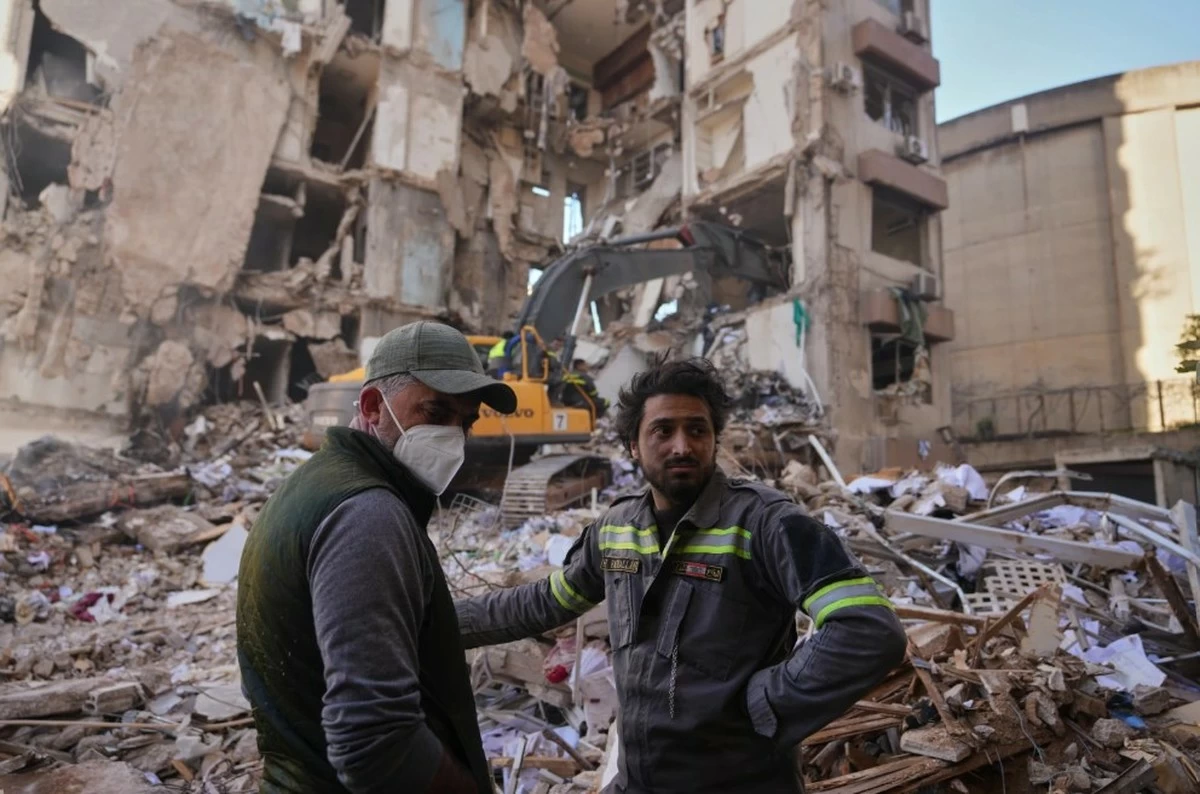
A Lebanese civil defense worker, right, stands with a resident at the site of a building destroyed in an Israeli airstrike a day earlier in central Beirut, Lebanon, Thursday, April 9, 2026. (AP Photo/Hassan Ammar)
BEIRUT/JERUSALEM, April 10: Deep divisions are emerging among civilians in both Lebanon and Israel over the future of the ongoing conflict and the possibility of negotiations between the two sides.
In Beirut, some residents, exhausted by weeks of displacement and destruction, expressed cautious support for potential talks between their government and Israel. Many see negotiations as the only path to ending the war, with civilians facing worsening humanitarian conditions after being forced from their homes.
However, others remain deeply skeptical, particularly those displaced from southern Lebanon, where fighting between Israeli forces and Hezbollah continues. Some residents argue that negotiations cannot proceed without a full ceasefire, insisting that Israel must first halt military operations before any meaningful dialogue can begin.
Israeli Prime Minister Benjamin Netanyahu has signaled that military operations will continue, even as diplomatic discussions reportedly focus on the disarmament of Hezbollah. The Lebanese government, meanwhile, maintains that it lacks direct control over the group, complicating any potential agreement.
In Jerusalem, public sentiment is also divided. Some Israelis believe that peace with Lebanon cannot be achieved without first defeating Hezbollah, arguing that continued military pressure is necessary to eliminate future threats.
Despite the disruption caused by weeks of conflict, including displacement and daily life under threat in northern Israel, many residents support ongoing operations. At the same time, others continue to express a desire for peace, though with concerns that Hezbollah is unlikely to disarm voluntarily.
The contrasting public views on both sides highlight the complex political and humanitarian challenges facing any efforts to reach a lasting resolution to the conflict.