



27/04/2026

Share:
27/04/2026
Share:
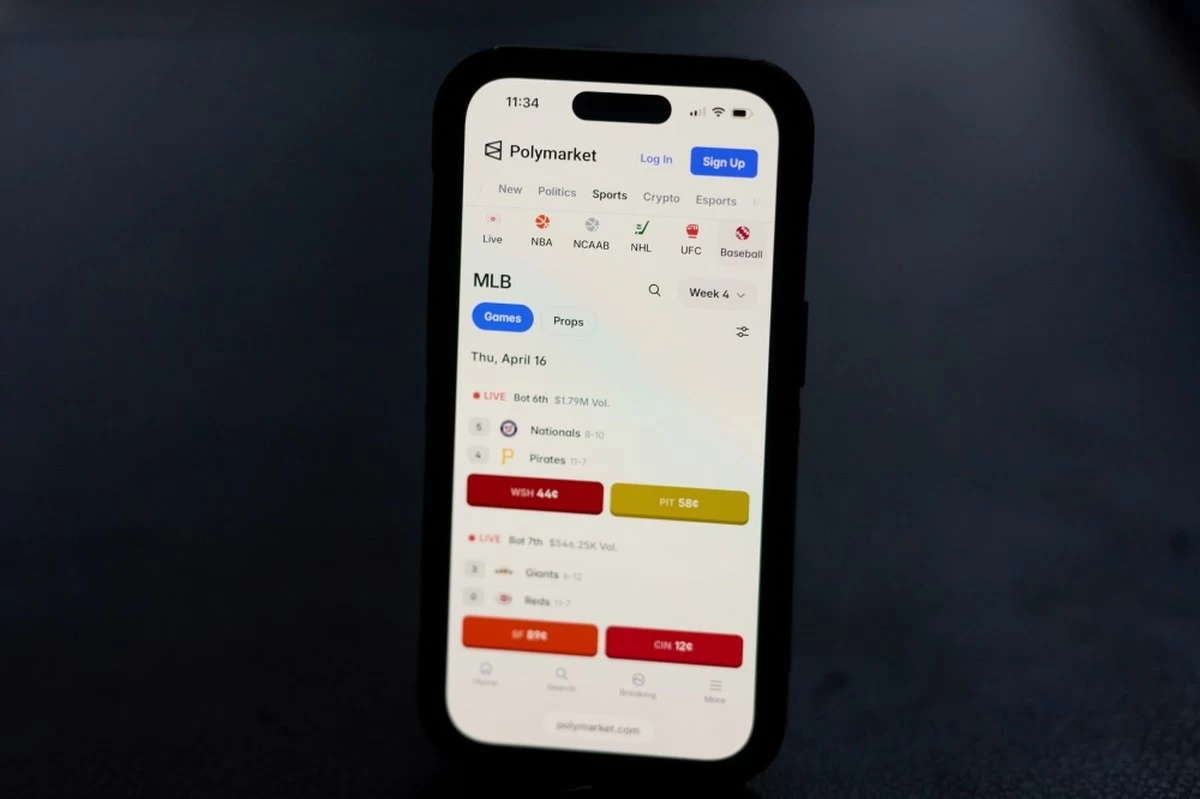

NEW YORK, April 27, (AP): A soldier betting on an operation to oust Venezuela's leader. Politicians gambling on their own elections. Massive bets on the president announcing a ceasefire with Iran right before he actually did. Are prediction markets safe places for news junkies to bet on events - or dens of insider trading? A lot is at stake as states vow to heavily regulate or even ban what they view as illegal gambling operations.
Even the Trump family could be impacted as it lays plans to open its own prediction market. Just how fair prediction markets are now depends partly on the trading venue. They all have different internal policies and different rules, though recent headlines suggest they are all going through adolescent growing pains - and the adults are worried.
Part of the problem is no one on the outside can tell who exactly is placing the winning bets, fueling suspicion some participants are trading on non-public information and triggering demands for Washington to crack down. "There has been very much a laissez-faire" attitude toward the industry, said Richard Warr, professor of finance at NC State University. "Regulation always takes time to catch up.”
They're the two dominant players in the industry but approach the business differently. Polymarket operates primarily outside the US and gives the impression of being a no-holds-barred wild child. It was even banned for a time from operating in the US after the Biden administration ruled it wasn’t complying with regulations.
Polymarket uses cryptocurrencies to settle bets, allowing customers to use pseudonyms and remain anonymous. Critics say that encourages people with inside information to take a chance, though experts note that Polymarket should know who such people are from when the accounts and payments were verified. Kalshi has been a US-regulated exchange since 2020.
By contrast, it requires its customers to show ID and so knows all their names on the back end, though it is shields their identities from other bettors on its site. And since it operates onshore, it also has to follow US. "Know Your Customer” rules to make sure money launderers and other assorted crooks are not using its market for criminal activities.
In the competition for customers, Kalshi is seeking to portray itself as the responsible, clean actor. "Not all prediction markets are the same," said Kalshi spokesperson Elisabeth Diana as calls grew for a crackdown earlier this month following the ceasefire bets. She added, "We support Congress and regulators taking action to police insider trading."