


24/01/2026

Share:
24/01/2026
Share:
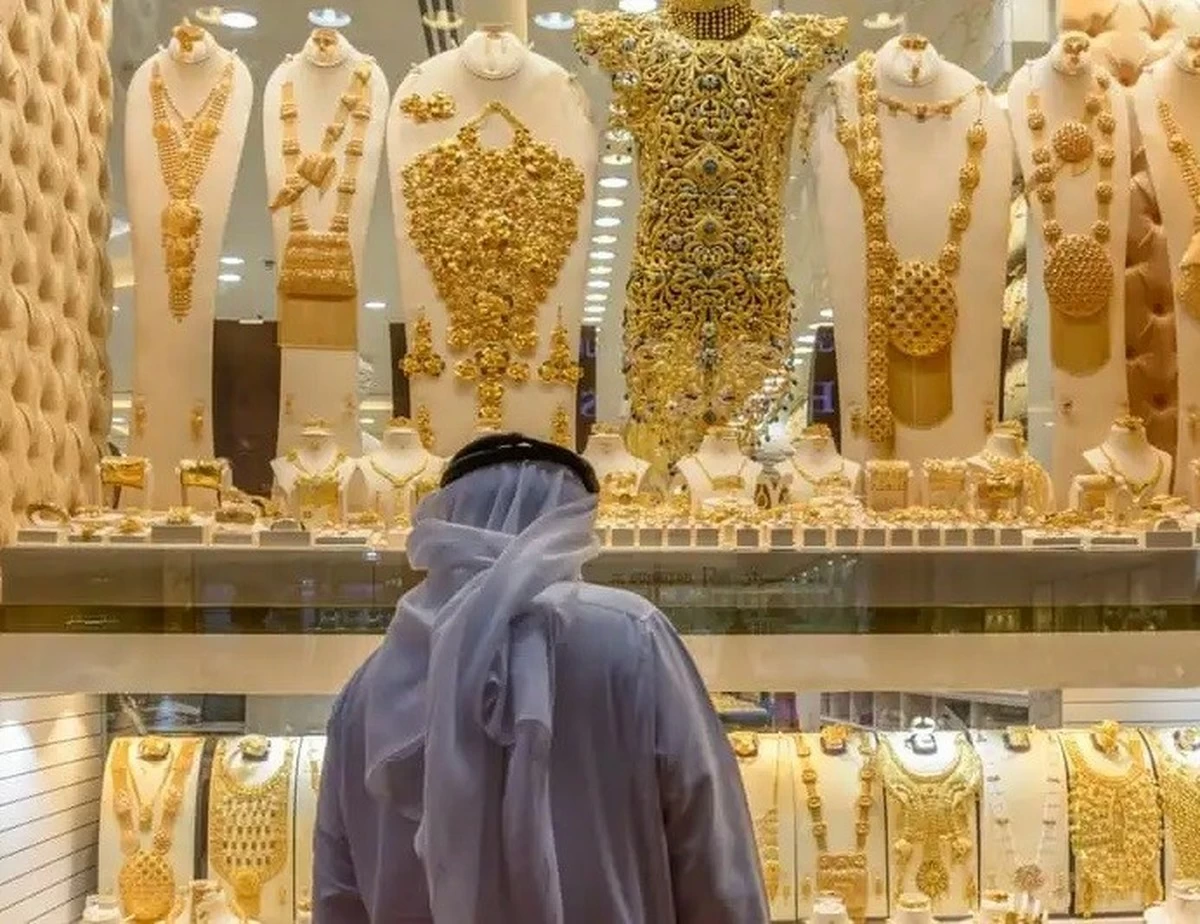

KUWAIT CITY, Jan 24: Precious metals expert Alamdar Al-Mousawi says gold and other precious metals are experiencing a rapid upward trend, extending beyond gold to include silver, platinum, and palladium, amid a global economic environment marked by heightened geopolitical risks and major shifts in the monetary policies of major central banks. In a statement to the daily, Al-Mousawi explained that technical and wave analyses indicate gold is following a clear upward trajectory, targeting initial levels between $5,400 and $5,700 per ounce, followed by a period of sideways movement to rebuild momentum. A second upward wave could push prices toward $7,200 per ounce.
Indicating that reaching $10,000 per ounce is possible if supportive geopolitical and monetary conditions persist, Al-Mousawi predicted that gold prices could reach between $6,500 and $7,200 per ounce by the end of 2026 if current geopolitical instability and flexible monetary policies continue worldwide. He indicated that this upward trend resulted from an early analytical assessment when gold was trading near $3,333 per ounce, at which time a continued rise was anticipated, which materialized as prices later reached $4,300 per ounce. Al-Mousawi emphasized that the current increase in gold and precious metal prices is not temporary, but reflects a global economic shift driven by geopolitical risks and the strategic repositioning of major central banks. He affirmed that gold continues to strengthen its role as one of the most important hedging and investment tools in the coming period.
Al-Mousawi confirmed that the Kuwaiti market responds directly to global price movements and benefits from a high level of stability and investment awareness. He noted a recent trend toward investing in gold bullion of various weights, reflecting a strategic shift among local investors toward long-term hedging instruments.
Al-Mousawi highlighted that rising geopolitical tensions, widening regional conflicts, and global political and economic uncertainty have increased investor anxiety, prompting a shift of liquidity toward safe-haven assets, primarily gold and other precious metals. He indicated that this surge aligns with clear policy shifts by major central banks, particularly the US Federal Reserve as markets anticipate the direction of interest rates in the coming period, with an increasing likelihood of either maintaining or reducing them. Al-Mousawi noted that several central banks, especially in Asia and the Middle East, have continued to strengthen their gold reserves as part of long-term strategies to diversify assets and reduce reliance on traditional currencies.
By Marwa Al-Bahrawi Al-Seyassah/Arab Times Staff