


05/08/2026

Share:
05/08/2026
Share:
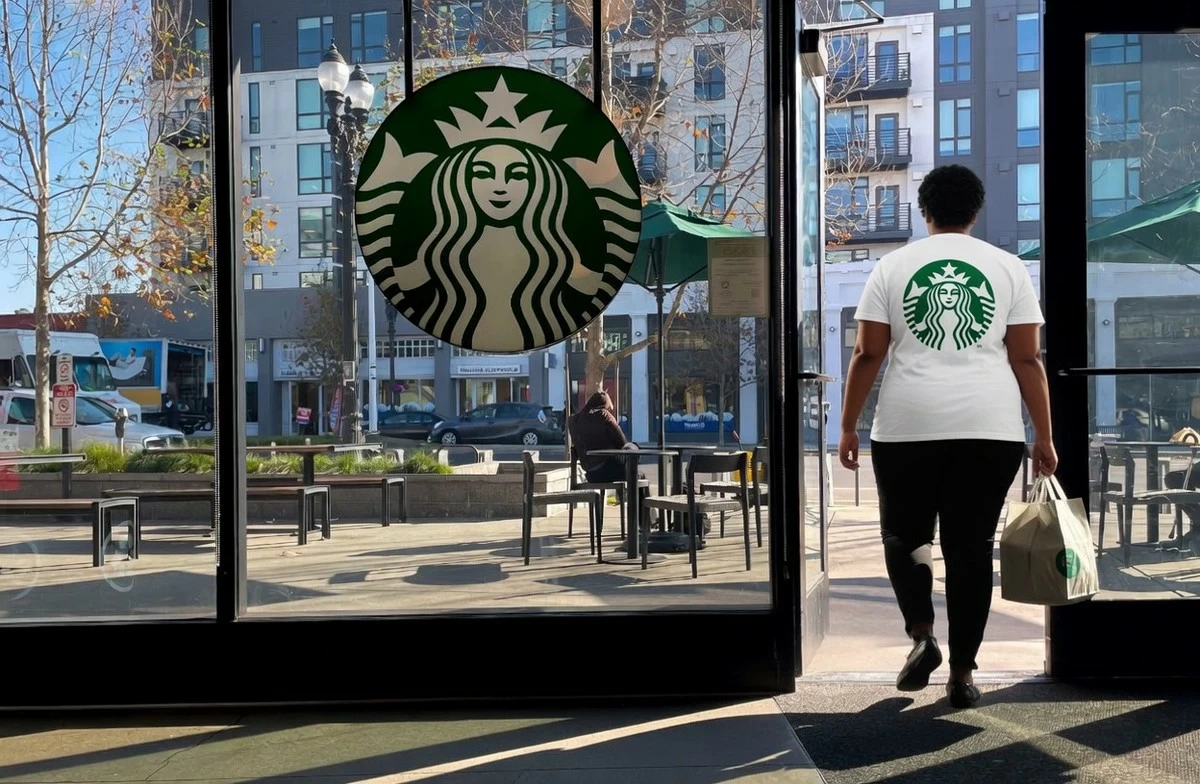

SEOUL, Aug. 5: South Korean police have raided the headquarters of Starbucks Korea as part of an investigation into criminal defamation allegations linked to a controversial marketing campaign that sparked nationwide backlash.
The investigation stems from a promotional event launched in May called "Tank Day," which coincided with the anniversary of the 1980 Gwangju Uprising, a pro-democracy movement in which hundreds of civilians are believed to have been killed during a military crackdown.
The campaign, which promoted a coffee tumbler, drew widespread criticism from civic groups and the public, who viewed the word "tank" as an insensitive reference to military vehicles associated with the suppression of the uprising. The controversy triggered calls for a nationwide boycott of Starbucks.
Starbucks Korea quickly withdrew the promotion, saying any connection to the historic tragedy was unintentional. However, civic organizations filed a criminal complaint, accusing the company of defaming the victims of South Korea's former military dictatorship and demanding a police investigation.
Shinsegae Group, which operates Starbucks in South Korea, said an internal review found no deliberate intent behind the campaign. The company said the marketing team had failed to recognize the historical significance of the date, while senior management also overlooked the issue during the approval process.
In response to the controversy, Starbucks temporarily closed its stores nationwide for half a day in June so employees could participate in history education sessions.
Shinsegae issued a public apology for what it described as "inappropriate marketing" and acknowledged that the incident had caused a significant decline in Starbucks sales in South Korea, one of the coffee chain's largest international markets.
The controversy intensified after critics highlighted another promotional slogan, "tak on the table!" While intended to imitate the sound of placing an object on a table, the phrase was also seen as evoking the word "tak," which became infamous after being used in a disputed police explanation for the 1987 custodial death of student activist Park Jong-chul.
South Korean President Lee Jae Myung strongly criticized the campaign, saying it "insults the victims and the bloody struggle" of those involved in the Gwangju Uprising.
The issue soon became politically charged during the country's local election season. The government announced a boycott of Starbucks at the ministerial level, while opposition figures accused the administration of politicizing the controversy. Starbucks cups later emerged as a symbol of opposition among some conservative groups, appearing at rallies and political events.
Police have not disclosed further details of the investigation, and no charges have been announced.