



26/03/2026

Share:
26/03/2026
Share:
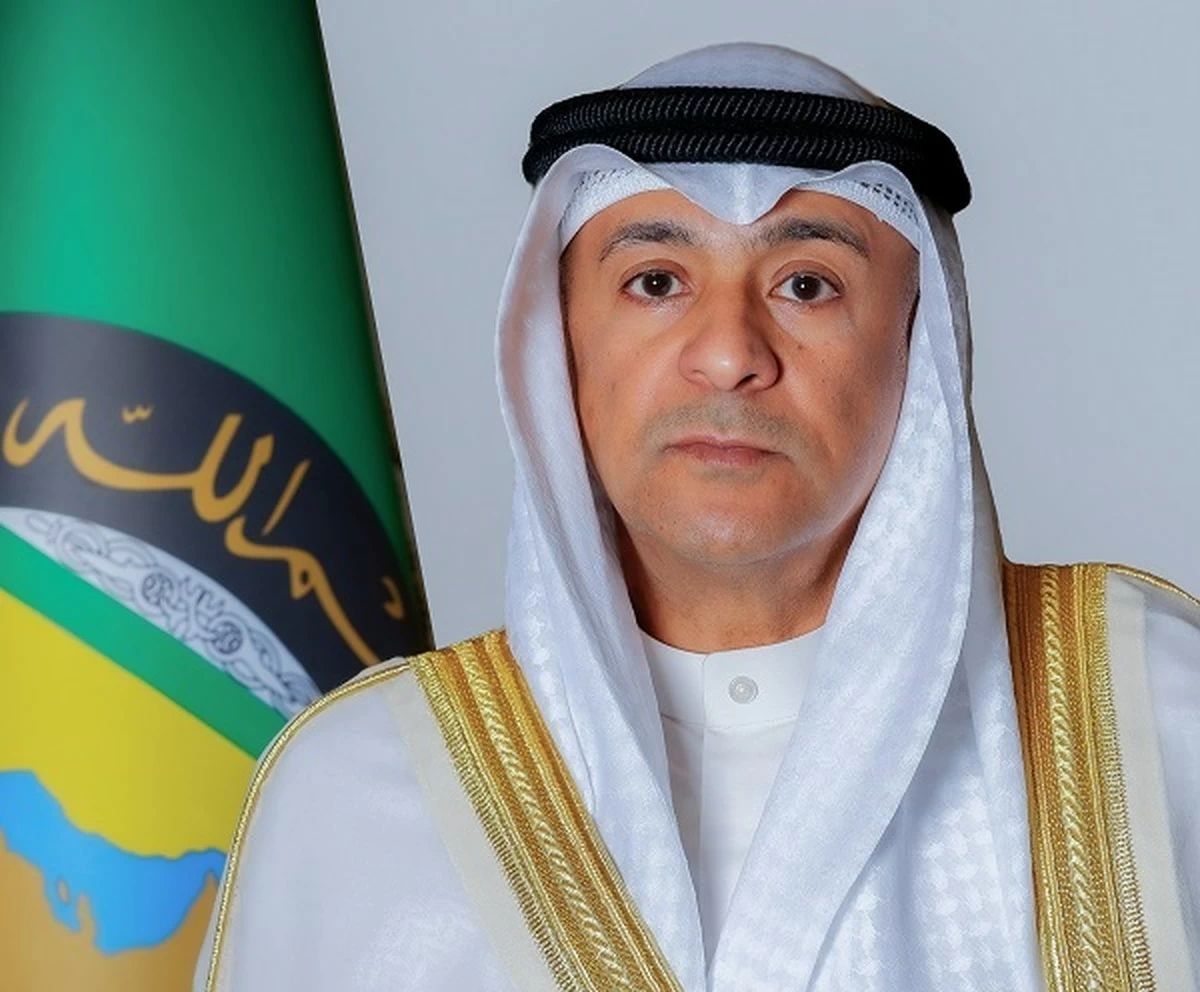
GCC Secretary General Jassim Al-Budaiwi

RIYADH, March 26: The GCC Secretary-General, Jassem Al-Budaiwi, emphasized that the transport and logistics sector represents a cornerstone of the Gulf countries’ economic security and a key driver in enhancing the resilience of their economies under all circumstances. Al-Budaiwi made the remarks during the extraordinary meeting of GCC Ministers of Transport and Communications, held via video conference under the chairmanship of Bahraini Minister of Transport and Communications Sheikh Abdullah Al Khalifa, the current session’s chair.
The meeting addressed the current situation, its impact on supply chains, the readiness of land border crossings, and operational challenges, including activating the Green Lanes Protocol, utilizing alternative ports, and ensuring safe transport routes. The GCC Chief highlighted that the transport sector is the vital artery ensuring the continuous flow of strategic goods, including food, medicine, and fuel, across land, air, and sea entry points, maintaining market stability and uninterrupted supply chains even in the face of the toughest challenges.
Al-Budaiwi noted that the escalating Iranian military aggression against GCC countries represents not a temporary circumstance but a real test of the member states’ ability to protect their assets and maintain the continuity of critical sectors efficiently and steadily. He underscored that more than 35 intensive coordination meetings have been held since the onset of the crisis, reflecting advanced institutional readiness and shared awareness of the situation’s requirements. The current stage requires enhanced field level coordination and rapid implementation of measures to achieve a more efficient and flexible collective response, he added. Furthermore, he stressed that maintaining smooth land, sea, and air transport is no longer optional but a strategic necessity, requiring proactive measures to enhance border readiness and mitigate any potential impact on trade and supply chains. Al-Budaiwi shed light on the need for clarity in vision, swift decision-making, and execution, expressing confidence that joint efforts will produce tangible results that enhance transport sector readiness.(KUNA)